
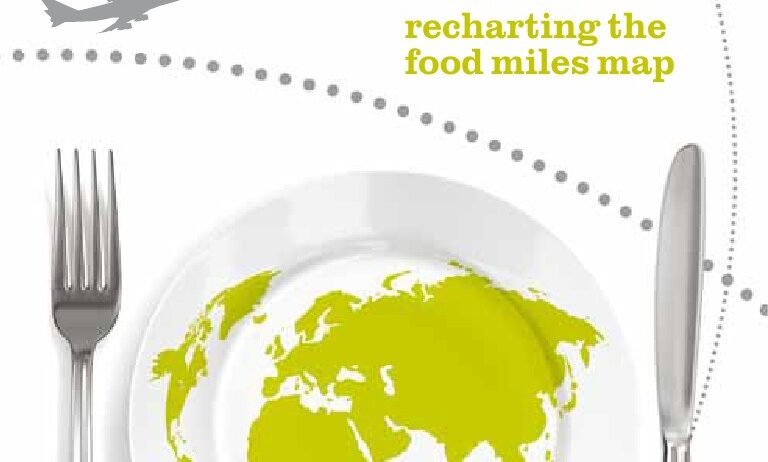

In the intricate web of global food distribution, the concept of food miles emerges as a pervasive, yet often overlooked, aspect of our dietary habits. Food miles refer to the distance food travels from its point of origin to the consumer’s plate. While it may seem trivial, the environmental ramifications of these journeys are anything but insignificant. Each mile represents not merely a physical dimension but a profound ecological consequence, a relentless march toward environmental degradation.
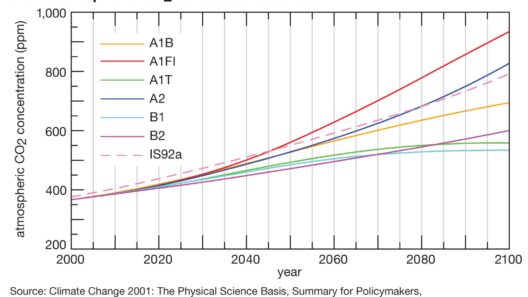
Transporting food across vast distances is akin to a carbon-laden dance, where every step taken is accompanied by a cacophony of greenhouse gas emissions. The primary culprits of this atmospheric assault are fossil fuel consumption and the resultant carbon dioxide, nitrogen oxides, and various particulate matter released into our atmosphere. This emissions orchestra contributes significantly to climate change, a phenomenon that continues to gnaw at the very fabric of our planet.
The journey of food commonly begins on expansive farms situated in some of the world’s most fertile areas. However, as these perishables embark on their lengthy travels, the ecological toll becomes increasingly apparent. The mode of transport plays a pivotal role in determining the carbon footprint. Air freight, for instance, is like a marauding beast, asserting its dominance over the skies and creating a staggering 50 times more emissions per mile than shipping via rail or road. In stark contrast, local food systems present a gentler alternative, akin to a tranquil river flowing through a verdant landscape, minimizing emissions and fostering sustainability.
When pondering the environmental impact of food miles, we must also consider the myriad factors influencing these distances. Climate, availability, and seasonality dictate the sources of our consumed products. For instance, the luscious strawberries enjoyed during winter months may arrive from far-flung locales, racking up a significant food mile count. In regions where local produce is scarce, dietary choices become intertwined with the complexities of transportation, illuminating the intricate nexus between consumer behavior and sustainability.
Food miles are not just a statistic; they evoke a visceral understanding of our interconnectedness with the planet. Taking a broader perspective, the food system itself serves as a microcosm of global trade practices, facilitating an exchange where the true cost of transporting food often remains obscured beneath layers of economic transactions. The environmental costs are typically externalized, invisibly woven into the fabric of everyday consumption. This dissonance can lead to uninformed choices, where the allure of convenience blinds the consumer to the environmental repercussions of their dietary preferences.
Moreover, let us delve into the phenomenon of seasonal eating. When consumers choose to buy out-of-season produce, they increasingly rely on the transport of goods over long distances, which exacerbates food miles. The allure of a fresh tomato in December comes with a price—a hefty toll on the environment spurred by the energy-intensive methods required to transport such items from sun-kissed greenhouses in distant climes. Conversely, embracing seasonal produce is akin to cultivating a symbiotic relationship with the earth, nurturing a sense of responsibility toward local ecosystems and reducing carbon footprints.
Yet, the implications extend beyond mere emissions; transportation’s role in the food system also catalyzes waste generation. The refrigeration and packaging necessary to keep food fresh during long hauls often results in plastic pollution, further compounding environmental issues. A significant portion of the food transported does not reach consumers, succumbing instead to spoilage, all the while contributing to methane emissions when disposed of in landfills.
Implementing changes to ameliorate the consequences of food miles requires proactive measures at both local and global scales. Local food systems advocate for the prioritization of short-distance transportation, wherein farmers’ markets and community-supported agriculture (CSA) initiatives flourish. Such endeavors foster local economies, decrease reliance on fossil fuels, and encourage sustainable agricultural practices. This is a call to action that resonates within communities—bringing food, farmers, and consumers closer than ever.
Additionally, advocacy for conscious consumerism is paramount. By choosing to support local producers and seasonal products, individuals can substantially mitigate the carbon cost associated with their food choices. Awareness can be amplified through education, enlightening consumers about the environmental footprint of their dietary habits and empowering them to make informed decisions that align with their values.
In conclusion, the complex tapestry of food miles weaves a narrative rich with implications for climate change and environmental sustainability. Understanding the life cycle of our food—the distance it travels, the modes of transportation employed, and the ecological costs tied to these processes—heightens our awareness of our role in fostering a sustainable food system. It invites us to reimagine our eating habits, consider local alternatives, and weather the storm of climate change with intention and responsibility. Every meal is an opportunity to choose sustainability over convenience, resilience over waste, and collective responsibility over ignorance.