

Global warming is an inexorable phenomenon, one that has been captivating scientists and environmentalists alike due to its multifaceted implications. At its core, global warming refers to the long-term rise in Earth’s average surface temperature, attributable primarily to human-induced emissions of greenhouse gases. Such a rise does not occur in isolation; it initiates a series of cascading effects that can be likened to a chain reaction or domino effect. Understanding this interplay is vital to comprehending the critical challenges presented by climate change.
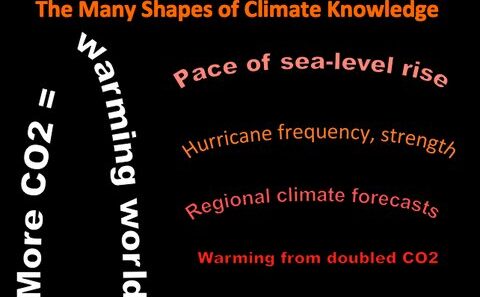
The initial catalyst for this domino effect is the increase in atmospheric carbon dioxide (CO2) levels, which are primarily the result of fossil fuel combustion. As we burn coal, oil, and natural gas for energy, we release substantial amounts of CO2, trapping heat in our atmosphere. This process is fundamentally scientific; it alters the Earth’s energy balance and leads to a gradual accumulation of temperature increases. The rise in global temperatures can seem minor at a glance—just a few degrees—but its implications are profound and wide-ranging.
As global temperatures rise, glacial and polar ice begins to melt. The melting of the Arctic ice sheets and Greenland’s glaciers not only contributes to rising sea levels but also results in the loss of habitats for species such as polar bears and seals. As these ice masses diminish, their ability to reflect sunlight diminishes as well, meaning less solar energy is bounced back into space. Consequently, darker ocean waters absorb more heat, exacerbating warming in a vicious cycle. This phenomenon not only threatens biodiversity but can also significantly impact global weather patterns.
With increased temperatures, we notice a trend towards more extreme weather conditions. Storms become more intense, droughts last longer, and heatwaves grow more severe. Historical patterns of weather are being disrupted, which poses substantial risks for agriculture. Many staples, such as wheat and corn, are vulnerable to temperature and moisture variations. As unpredictable weather patterns persist, food security becomes jeopardized, leading to potential famine in certain regions. Thereby, one can see how disruption in climatic conditions leads directly to socio-economic upheaval.
Moreover, rising sea levels pose a serious threat to coastal communities. The encroachment of seawater exacerbates salinity in freshwater aquifers, threatening drinking water supplies and agricultural endeavors in low-lying areas. Cities like Miami and New Orleans are already experiencing regular flooding due to rising tides. The economic consequences are staggering; billions of dollars are required for infrastructure upgrades or relocations of at-risk communities. In the worst-case scenarios, entire populations may need to relocate, prompting a new class of climate refugees. This creates further geopolitical tensions and potential conflicts over dwindling resources.
The domino effect extends to marine ecosystems as well; warmer oceans lead to coral bleaching, which results in the loss of biodiversity. Coral reefs, often termed the “rainforests of the sea,” are among the most productive ecosystems on the planet. They serve as critical habitats for numerous marine species, and their demise signifies a larger ecological crisis. Fish populations that rely on healthy coral reefs for breeding and feeding begin to dwindle. Consequently, the fishing industries that depend on these populations face severe economic repercussions, further propagating the socioeconomic challenges already observed.
Yet, the impacts of global warming transcend ecological and economic dimensions; they deeply stir concerns regarding public health. Rising temperatures facilitate the proliferation of zoonotic diseases—those that jump from animals to humans. Mosquito-borne illnesses, such as malaria and dengue fever, are spreading into previously unaffected regions. The fluctuations in climate not only endanger wildlife but also propagate significant threats to human health, necessitating a robust response from both public policy and healthcare sectors.
As we delve deeper into the ramifications of climate change, one must consider its social dimensions. Vulnerable populations are disproportionately affected as they often lack the resources to adapt effectively. Those living in impoverished conditions are the first to experience the impacts of extreme weather, food scarcity, and health crises. The inequitable distribution of resources creates systemic challenges that hinder community resilience and adaptation to climate stressors. This interconnection between environmental and social justice is an essential consideration in discussions around global warming.
Addressing these cascading effects requires a multifaceted approach, incorporating both mitigation and adaptation strategies. Transitioning to renewable energy sources such as solar, wind, and hydro is imperative. Sustainable agriculture practices need to be adopted to secure food resources amidst changing climatic conditions. Furthermore, the systemic inequalities that exist must be acknowledged and rectified to ensure equitable distribution of resources and support. Education and activism play pivotal roles in instigating change, prompting communities and individuals to demand accountability and action from government entities and corporations alike.
In closing, global warming exemplifies a complex web of interactions that generate a domino effect, presenting acute challenges across environmental, economic, social, and health domains. Each phenomenon triggers further complications, illustrating that an isolated approach is insufficient. A comprehensive understanding and response to these interconnected issues is necessary for the well-being of our planet and future generations. Embracing responsibility, advocating for systemic change, and promoting sustainable practices are essential steps in averting the cascading disasters that global warming threatens to unleash. The urgency to act is not merely an environmental concern; it is a moral imperative for humanity.