
The Adélie penguin, an iconic symbol of the Antarctic ecosystem, is a resilient creature. These small, tuxedoed birds are fascinating not only for their endearing appearance but also for their remarkable adaptability to one of the harshest environments on Earth. However, climate change poses a significant, often unseen threat to their reproductive habits, particularly during the critical egg hatching period. Understanding this phenomenon is crucial, as it opens a window into the intricate web of life that characterizes polar environments, while simultaneously illustrating the broader implications of global warming.
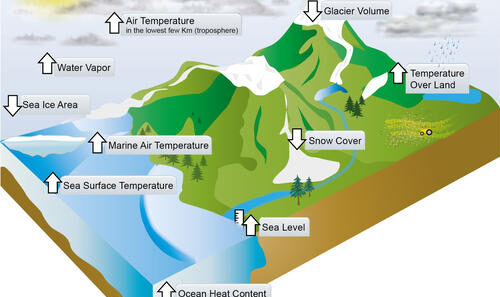
As temperatures rise due to anthropogenic climate change, the Antarctic landscape experiences profound transformations. Ice shelves are retreating, sea ice is diminishing, and the temperatures are rising in both air and water. All of these factors contribute to a precarious situation for the Adélie penguin, particularly when it comes to the timing of egg hatching. Traditionally, the cycle of breeding and chick-rearing for these penguins is meticulously synchronized with the seasonal availability of food resources, chiefly krill—a crustacean that thrives in the cold, productive waters of the Southern Ocean.
Research has shown that warming temperatures can disrupt this delicate alignment. As the melting of ice accelerates, it affects the availability of phytoplankton, which forms the base of the marine food web. With the decline of this fundamental resource, the health and nutritional quality of the krill population could diminish, leading to food scarcity for the Adélie penguins and their chicks. This scarcity is not just a seasonal inconvenience; it has the potential to impact entire breeding seasons adversely.
Moreover, the ramifications of climate change stretch beyond mere food availability. The conditions in which Adélie penguins nest and rear their young are becoming increasingly unstable. For example, fluctuating temperatures can lead to inconsistent icing conditions on which these birds rely for nesting. Warmer winters can result in earlier snowmelt, exposing eggs to predation and extreme weather events that would have otherwise been mitigated by the protective layer of ice.
Adélie penguins are particularly sensitive to changes in temperature and ice conditions because the hatching period coincides precisely with the peak of food scarcity across the Antarctic landscape. As their eggs incubate, the adults must forage for food. If changing conditions prevent them from finding adequate nutrition, the repercussions on chick survival are dire. Adults may return to their nests only to find their chicks undernourished or even dead. This distressing scenario raises questions about the long-term viability of Adélie penguin populations in an era of rapid climate change.
The social behavior of Adélie penguins adds another layer of complexity to this issue. In the breeding colonies, the communication between parents is vital for the successful raising of their young. Warmer temperatures can create stressors in these social dynamics, potentially leading to reduced breeding success. For instance, if one partner fails to communicate effectively due to distractions from environmental pressures, the cooperation essential for chick-rearing may falter. This disruption reflects broader ecological consequences, including changes in the interactions between species and their habitats.
Interestingly, Adélie penguin success has been historically tied to their adaptability. They have showcased remarkable resilience by adjusting their foraging strategies and breeding timings. However, the current rate of climate change poses an unprecedented challenge. The rapidity of these changes may outpace the penguins’ ability to adapt. Long-term effects of food scarcity, coupled with increased depredation and potential habitat loss, could lead to decreased populations or, in worst-case scenarios, local extinctions.
Efforts to mitigate the impact of climate change on Adélie penguins involve monitoring their populations and habitat changes closely. Research collaborations between scientists, conservationists, and policymakers are crucial. Through comprehensive study, it is possible to glean insights into how these birds react to shifting climatic conditions while advocating for protective measures in their habitats. Establishing marine protected areas is one such strategy, aimed at safeguarding critical feeding grounds for the penguins, thereby enhancing their chances of successful breeding and chick survival in a warming world.
Moreover, the plight of the Adélie penguin serves as a harbinger for other species within the polar ecosystem; these changes herald potential turmoil that could reverberate throughout the entire food chain. As top predators, Adélie penguins play a significant role in maintaining the balance within their environment. Their decline could trigger cascading effects, resulting in unanticipated shifts in species composition and ecosystem stability.
In conclusion, the unseen impacts of global warming on Adélie egg hatching underscore the urgent need for awareness and action concerning climate change. The unique reproductive strategies of these penguins reveal a complex interplay between environmental factors and biological adaptation. If current trends continue unchecked, the loss of these resilient creatures could serve as an ominous symbol of a failing planet. To protect the delicate balance of polar ecosystems, a concerted global effort is necessary, coupling scientific research with robust policy initiatives that aim to reduce the factors contributing to climate change. Only then can we hope to preserve the remarkable tapestry of life that thrives in the frigid expanse of Antarctica.