
In the centuries preceding modern climate challenges, Earth’s flora exhibited remarkable resilience and adaptability. However, anthropogenic climate change alters the delicate balance of ecosystems, placing an array of plant species in jeopardy. This peril demands our attention because the viability of Earth’s flora is intrinsically linked to the health of the planet’s biosphere, which sustains life in myriad forms.
The impact of climate change on plant species is multifaceted, affecting everything from their geographic distribution to their reproductive success. Altered precipitation patterns, intensified storms, and increasing temperatures create an environment where many species struggle to thrive. For instance, shifts in temperature zones have already been documented, with warmer climates pushing some species to higher altitudes or latitudes. These phenomena illustrate an urgent need for conservation strategies tailored to address the upcoming environmental turbulence.
One significant aspect of this crisis is the extinction risk faced by endemic species—organisms that reside naturally in a particular region. These species often exhibit specialized adaptations to their unique habitat conditions. As their environments change rapidly, many face the threat of extinction. The Hawaiian Islands, a biodiversity hotspot, exemplify this vulnerability. Flora such as the Hawaiian silversword and various native hibiscus species are teetering on the brink due to habitat loss exacerbated by climate change and invasive species.
Moreover, the ramifications of these threats extend beyond blooming flowers. Plants are foundational to ecosystems, contributing to soil stability, carbon storage, and oxygen production. The decline of keystone species, the loss of which leads to significant ecosystem disruption, could destabilize entire habitats, thereby impacting the multitude of species that depend on them, including humans.
In response to the alarming trends, scientists are exploring a variety of restoration and conservation methods. One highly discussed solution is the concept of assisted migration. This approach entails the deliberate movement of plants to regions where they may be more likely to thrive in a warming world. However, this method raises ethical questions about intervention versus natural evolutionary processes. It necessitates significant research to ensure that introduced species do not become invasive, taking over and disrupting established ecosystems.
Furthermore, genetic diversity plays a critical role in the resilience of plant species. Monocultures, or the cultivation of a single species over a large area, have made crops susceptible to diseases and changes in climate. Thus, promoting polyculture systems—where multiple species co-exist—can enhance resilience against climate stressors. Recognizing the intricacies of these dynamics underlines the necessity of adopting sustainable agricultural practices that consider biodiversity a priority.
Additionally, conservation efforts are shifting towards protecting and restoring critical habitats. Initiatives such as the establishment of protected areas, wetland restoration, and the creation of wildlife corridors help enable plants to retreat or expand their ranges as climates change. Such endeavors not only serve individual species but also foster entire ecosystems’ health and stability.
Public awareness is also essential in combating the plight of endangered plant species. Biodiversity conservation cannot rest solely on scientists and policymakers; it requires grassroots movements and community engagement. Educational campaigns focused on the importance of local flora, particularly those threatened by climate change, serve to galvanize public support. The role of local communities is paramount in conservation efforts, often being the stewards of natural resources and habitats.
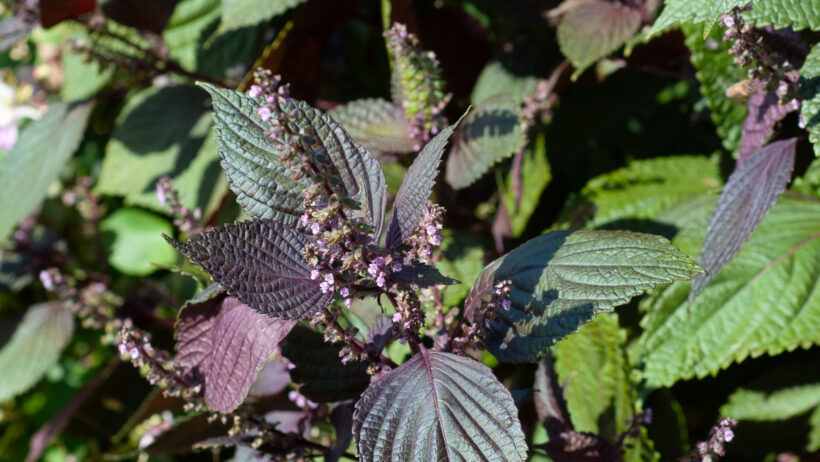
Fostering a connection between individuals and their local environments enhances conservation initiatives. Programs aimed at cultivating native plants in gardens promote local biodiversity and reduce reliance on non-native, often water-intensive, flora. Bringing attention to unique regional species—such as the Perilla frutescens, known colloquially as the Beefsteak plant—encourages an appreciation for the local ecosystem’s intricacies. This grassroots action contributes to a wider understanding of global biodiversity issues.
In parallel with these initiatives, researchers continue to delve into the genetic bank of plant species. The preservation of seed banks represents a safeguard against the potential loss of genetic variability. This method allows for the replication of plant varieties that may prove vital for future agricultural resilience. The genetic resources stored might harbor traits that provide resilience to heat, drought, and pests, ensuring that agriculture can adapt to new climate realities.
The intersection of climate change and biodiversity is an increasingly urgent issue demanding immediate action and foresight. As we consider the future of Earth’s flora, we must advocate for a synergistic approach that embraces sustainable practices, community engagement, and scientific research. The health of the planet hinges on the preservation of its flora, which supports life in its many forms. Together, we can mitigate the threats facing plant species in peril and foster a thriving, resilient future for the myriad species that inhabit our world.
Innovation, understanding, and collective responsibility will play pivotal roles in shaping our response. The future of Earth’s flora rests with our actions today. Choosing to invest in conservation, restore habitats, and nurture native species can set the pathway toward a more sustainable existence, ensuring that the Earth’s rich biodiversity endures amidst a climate in flux.