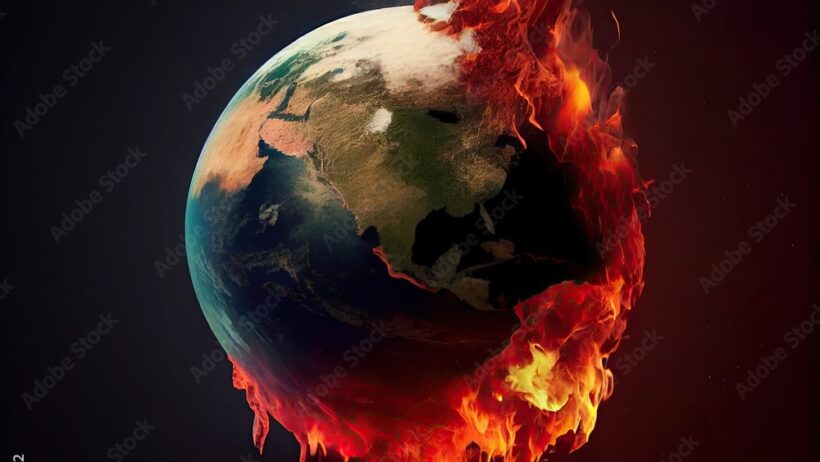

Is global warming ultimately condemning our planet to an uninhabitable fate? This question stirs a sense of urgency in discussions about climate change. The response entails exploring the myriad realities that unfold due to this escalating phenomenon. Several alarming trends warrant our immediate attention, and they may well define the trajectory of life on Earth for generations to come.
The phenomenon of global warming is rooted in the anthropogenic augmentation of greenhouse gases in our atmosphere. Primarily, carbon dioxide and methane emissions from industrial processes, transportation, and deforestation have trapped heat more effectively than ever before. This alteration of our atmospheric composition leads to abandoned ecosystems and a multitude of cascading effects. Yet, rather than succumbing to despair, the collective response to this crisis serves as both a challenge and an opportunity for innovative solutions.
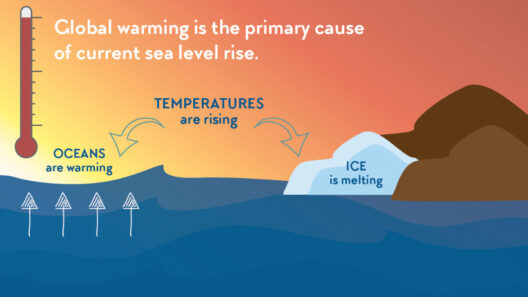
One dire reality of global warming is the unprecedented rate of polar ice melt. The Arctic tundra, which once acted as a modicum of stability for global climate, is now disintegrating before our eyes. The loss of sea ice contributes not only to rising sea levels but also to altered weather patterns worldwide. The Gulf Stream, a crucial ocean current, is already showing signs of slowing down, which could lead to drastic changes in weather in Europe and North America. An infusion of playful curiosity prompts us to consider: “What if we could witness climate change as an active participant rather than a passive observer?” This perspective could ignite proactive measures among individuals and communities alike.
Coupled with the melting ice caps is the alarming increase in global temperatures. The past century has witnessed an ascendance in average temperatures by approximately 1.2 degrees Celsius. This seemingly minute rise has culminated in severe heat waves, wildfires, and unprecedented droughts in various parts of the globe. For instance, regions like Southern Europe and the western United States experience annual fire seasons with devastating consequences for biodiversity and human habitation. What if confronting this reality urged a reevaluation of our urban planning paradigms? Sustainable architecture and infrastructure development could arise from the very ashes of destruction.
In addition to transforming landscapes, global warming directly threatens biodiversity. Shifts in climatic conditions lead to habitat loss, endangering the flora and fauna that have evolved over millennia. Coral reefs, often dubbed the “rainforests of the sea,” are dying at alarming rates due to ocean acidification and rising sea temperatures. As the intricate web of life unravels, an ensuing biodiversity crisis looms. How can humanity harness its creative potential to foster environmental stewardship and bolster endangered species? Innovative conservation efforts can pave the way for restoring harmony between nature and humankind.
Furthermore, we must address the socioeconomic impacts wrought by climate change. Vulnerable communities worldwide bear the brunt of climate-related disasters, suffering heightened risks due to their limited resources. The devastating hurricanes, floods, and droughts disproportionately affect marginalized populations, raising ethical questions about climate justice. How might we coalesce to advocate for equitable resource distribution and climate adaptation strategies? By prioritizing those most affected, we can strive for a world that uplifts all its inhabitants, transcending traditional paradigms of privilege.
Water scarcity presents yet another pressing concern. As glaciers recede and precipitation patterns shift, fresh water becomes increasingly elusive for millions. Agriculture, the backbone of human civilization, faces significant challenges in sustaining food security. The interplay of climate change and agricultural practices raises dire questions: Can we rekindle our relationship with the land to ensure sustainable farming? By embracing regenerative practices and prioritizing native crops, a tantalizing possibility of a sustainable future may emerge.
Moreover, the resilience of our infrastructure is put to the test by extreme weather events. Flooded streets and crumbling roadways reflect America’s vulnerability and the need for radical upgrades in our transportation systems. Cities must adapt by investing in climate-resilient infrastructure to protect their citizens and maintain economic viability. Might we consider a paradigm shift in urban ecosystems that integrates green spaces and mitigates the heat island effect? Urban planners could play a pivotal role in creating sustainable metropolitan landscapes.
While the somber realities of global warming can seem overwhelming, they simultaneously present opportunities for resilience and innovation. The advent of renewable energy technologies, such as solar and wind power, illustrates humanity’s capacity for adaptation. Striving for a carbon-neutral future compels us to rethink our energy intake and distribution. How might we perceive the transition to renewables not merely as a technological shift but as a cultural renaissance? This awakening could galvanize societies toward sustainable living and environmental harmony.
In conclusion, global warming poses an existential threat to our planet, but integrated actions can foster an environment of hope and renewal. It beckons humanity to engage deeply with our planet’s complexities. The interconnectedness of people, ecosystems, and climate presents both challenges and the tantalizing possibility of transformational change. This journey towards sustainability is fraught with potential; let innovation, equity, and stewardship guide the trajectory of our collective future. As we ponder the fateful question—is global warming killing our planet?—we must also remember that our actions can sow the seeds of regeneration and resilience.