
Carbon emissions are intricately woven into the fabric of our climate crisis. The pervasive presence of fossil fuels in our energy matrix has become a colossal driver of global warming. It is imperative to delve into the phenomena surrounding carbon emissions to elucidate their detrimental effects on planetary health. This analysis aims to explore the connection between carbon emissions and climate change, shedding light on the multifaceted implications of our reliance on fossil fuels.
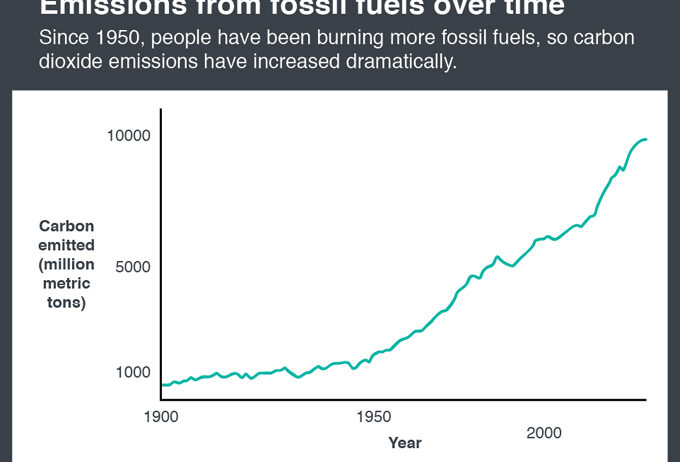
To understand the gravity of the situation, one must first appreciate the scientific backdrop of carbon emissions. The Earth’s atmosphere is a delicate balance of gases necessary for sustaining life. Carbon dioxide (CO2), one of the greenhouse gases, acts like a blanket, trapping heat from the sun. This natural phenomenon is known as the greenhouse effect, which is crucial for maintaining temperatures conducive to life. However, human activities, particularly the combustion of fossil fuels, have exponentially increased the concentration of CO2 in the atmosphere, leading to an enhancement of the greenhouse effect. This is the crux of anthropogenic global warming.
In modern industrial societies, fossil fuels such as coal, oil, and natural gas comprise the bedrock of energy production. The promise of economic growth and development has propelled the continued extraction and utilization of these resources, yielding significant carbon emissions. The irony is stark: as we reap the rewards of industrial progress, we simultaneously sow the seeds of environmental degradation. The connection between carbon emissions and climate change is not merely an abstract concept; it manifests in observable phenomena such as rising global temperatures, melting ice caps, and increasingly severe weather events.
One of the most alarming consequences of elevated carbon emissions is ocean acidification. As CO2 levels rise in the atmosphere, a significant portion of it is absorbed by the oceans. This reaction forms carbonic acid, which, over time, reduces the pH levels of seawater. The ramifications are profound, threatening marine ecosystems and biodiversity. Coral reefs, often dubbed the rainforests of the sea, are particularly vulnerable. With their intricate structures relying on stable environmental conditions, the impacts of acidification can lead to widespread coral bleaching and ultimately, the collapse of these vital ecosystems.
Besides marine environments, terrestrial ecosystems also exhibit marked shifts attributable to carbon emissions. The phenomenon of climate change disrupts patterns of precipitation, shifts growing seasons, and compels species to adapt, migrate, or face extinction. Biodiversity loss is not simply an ecological concern; it poses a direct threat to food security and human health. The interconnectedness of ecosystems means that the decline of a single species can precipitate a cascade of consequences, further destabilizing the environments upon which humans depend.
Moreover, the socio-economic dimensions of carbon emissions cannot be overlooked. The most vulnerable populations, frequently residing in developing countries, bear the brunt of climate change impacts. These communities often lack the resources to adapt to the changing climate or recover from natural disasters, worsening existing inequalities. The link between carbon emissions and social justice issues is poignant. Addressing climate change requires global cooperation and a commitment to equitable solutions that prioritize those most affected.
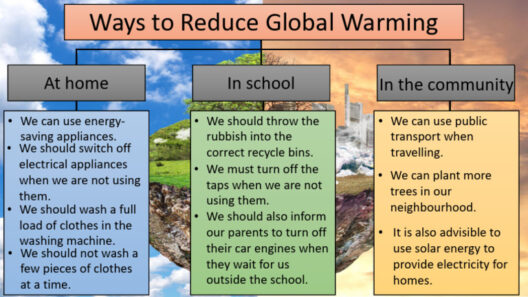
In recognition of these dire implications, global initiatives to mitigate carbon emissions have garnered attention. The Paris Agreement serves as a landmark framework aiming to limit global warming to well below two degrees Celsius above pre-industrial levels. Yet, the challenge lies not only in setting targets but also in fostering collective action across nations. Transitioning to renewable sources of energy, enhancing energy efficiency, and investing in carbon capture technologies form the cornerstone of creating a sustainable future.
One of the most promising avenues for reducing carbon emissions is the transition to renewable energy sources. Solar, wind, and hydroelectric power offer viable alternatives to fossil fuels, significantly decreasing greenhouse gas emissions. The political and economic paradigms surrounding energy production are gradually shifting, with an increasing number of countries committing to ambitious renewable energy goals. Such transitions are not merely beneficial for the environment; they also hold the potential for economic revitalization, job creation, and the reduction of energy costs in the long term.
It is crucial to acknowledge the pivotal role of innovation and technology in combating climate change. Advances in energy storage, smart grid technology, and electrification of transport are redefining how societies consume energy. The electrification of transportation, in particular, could significantly diminish our dependency on oil and reduce emissions from one of the largest contributors to greenhouse gases. As cities capitalize on this technology, a paradigm shift towards sustainable urban living becomes increasingly attainable.
Communities play a vital role in the fight against climate change. Grassroots movements and local initiatives can drive systemic change, pushing policymakers to prioritize sustainable practices. Citizen engagement through advocacy, education, and action fosters a culture of environmental stewardship. This collective consciousness around carbon emissions and climate change is paramount; a united front can compel governments and corporations to regard sustainability as a non-negotiable agenda.
In conclusion, the link between carbon emissions and climate change is a complex interplay of scientific, ecological, social, and economic factors. The time for complacency has long passed; it has become evident that immediate action is required to reduce emissions and mitigate the repercussions of global warming. A concerted effort toward embracing renewable energy, advocating for policy changes, and fostering community engagement is essential. As the climate crisis intensifies, the responsibility to act falls upon all of us. The battle against carbon emissions is not just a scientific endeavor; it is a moral imperative to safeguard our planet for future generations.