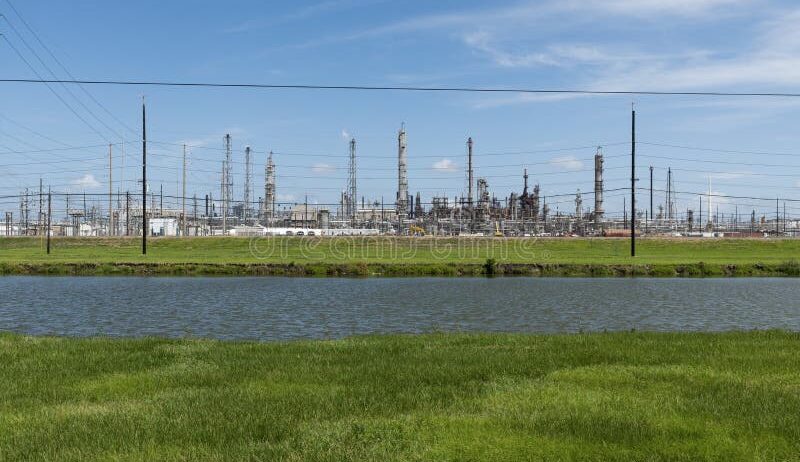

The southern states, particularly Texas, are at the forefront of a critical battle against the inexorable progression of climate change. With a landscape punctuated by oil refineries and expansive agricultural lands, Texas embodies a myriad of complexities influenced by global warming. The projected impacts of climate change are multifaceted, extending beyond mere temperature increases. The confluence of extreme weather events, heightened heat records, and burgeoning water scarcity is poised to reshape the very fabric of life in this region.
Historically, Texas has been characterized by an array of climatic zones, ranging from arid desert landscapes to humid Gulf Coast territories. However, as global warming intensifies, many areas of Texas are experiencing shifts that are more drastic than ever before. Scientific projections indicate that by the end of the century, the state could witness temperature hikes of up to 6 degrees Fahrenheit. Such an increase could catalyze a series of dire consequences, necessitating urgent societal and infrastructural adaptations.
Heatwaves are becoming not only more frequent but also more severe. As these unrelenting temperatures pummel the state, an undeniable strain is placed on the public health system. Vulnerable populations, particularly the elderly and those with preexisting health conditions, face heightened risks of heat-related illnesses. Moreover, the workforce, particularly in outdoor professions such as agriculture and construction, may encounter escalating challenges as prolonged sun exposure becomes increasingly dangerous. The likelihood of heatstroke or dehydration will necessitate a reevaluation of work hours and conditions.
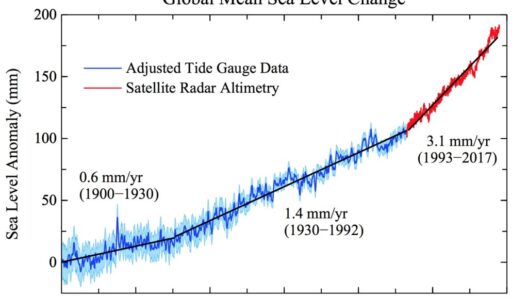
Furthermore, the proliferation of extreme weather patterns poses additional challenges to the southern states. Flooding, hurricanes, and droughts strike at the heart of community resilience. Particularly in Southern Texas, heavy rainfall can lead to catastrophic flooding, devastating local infrastructure and ecosystems. Storm surges associated with hurricanes, now exacerbated by rising sea levels, threaten coastal towns and ecosystems, while concurrently dismantling the economic foundations built upon fishing and tourism.
Conversely, drought conditions have emerged as a pervasive threat across the western regions of Texas. Water scarcity not only threatens agricultural outputs but also jeopardizes the vitality of urban centers that rely on consistent water supplies. The situation engenders a complex scenario where irrigation practices must adapt to maintain crop viability amidst dwindling water resources. Farmers are increasingly compelled to explore drought-resistant crops while investing in water conservation technology to mitigate the impacts of a parched landscape.
Ecologically, Texas is a tapestry of biodiversity that is at significant risk due to climate fluctuations. The delicate balance of ecosystems is rendered fragile under the stresses imposed by climate change. Specific habitats will confront difficulties adapting, inevitably leading to shifts in species distribution. Invasive species may flourish while native plants and animals struggle to survive, thus diminishing biodiversity. This erosion affects community diets, wildlife interactions, and ecological health, culminating in a loss of natural resources vital to both humans and wildlife.
The energy sector, particularly in Texas, faces its own conundrums. The state is a nexus of fossil fuel production, with oil and gas predominating the energy landscape. However, reliance on these non-renewable resources is increasingly questionable in an era marked by climate urgency. The exploration of renewable energy sources has become a focal point in discussions surrounding energy resilience. Wind and solar energy have burgeoned into reliable alternatives, showcasing Texas’s capacity to pivot from traditional energy paradigms towards sustainable futures.
Moreover, the need for robust policy implementation cannot be overstated. Local and state governments must establish comprehensive climate action frameworks that prioritize green infrastructure and an energy transition towards renewables. Implementing stringent emissions regulations on industries is a crucial step in fostering a culture of sustainability. Collaboration with scientists and environmentalists can facilitate informed decision-making to promote equitable environmental practices.
The socio-economic dimensions of climate change must also be addressed. Economic disparity in Texas exacerbates vulnerabilities to climate impacts. Low-income communities often reside in areas more susceptible to flooding and heat. The intersectionality of climate and social justice requires that solutions not only focus on environmental health but also aim to uplift the people who are most affected. Proactive measures must emphasize equity in environmental governance to ensure a just transition for all Texans.
In conclusion, the narrative of Texas, marked by its sprawling landscapes and diverse communities, underscores the urgent need for a paradigm shift in how societies engage with climate change. The implications of global warming extend far beyond individual states; they reverberate across the nation and the globe. Addressing these concerns mandates cooperation, innovative thinking, and an unwavering commitment to fostering sustainable practices.
As Texas stands on the precipice of transformation, it holds the potential to lead in creating a resilient future, not just for itself, but as a beacon for other states grappling with similar challenges. It is time to recontextualize the discourse surrounding climate change and adopt a forward-thinking approach that prioritizes environmental stewardship, public health, and social equity.