
As the world warms, a delicate choreography of avian migration is intricately unraveling. Birds, those feathered wanderers, are now contending with the repercussions of global warming, which is steadily altering their seasonal rhythms. Climate change acts as an unseen maestro, transforming the symphonic movements that once followed the beat of nature’s drum. With each beat altered, the harmony of ecosystems is put at risk.
Migratory birds undertake epic journeys that define their lives. From the haunting calls of geese to the jubilant songs of songbirds, these creatures rely on stable environmental cues to navigate their vast expanses. However, unprecedented temperature fluctuations and erratic weather conditions are revolutionizing these ancient patterns. The biological clocks that once regulated their movements are now frequently thrown awry as they respond to shifting climates.
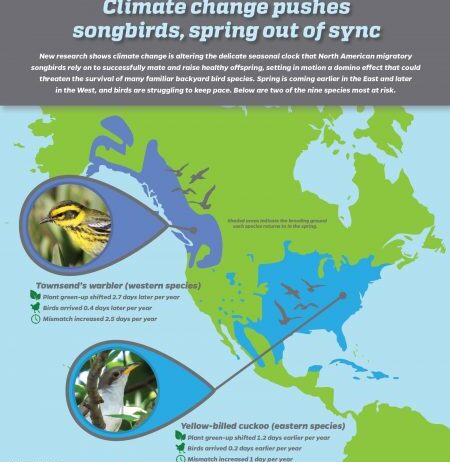
Changes in temperature can disrupt the delicate synchronization between birds and the availability of their food sources. For instance, if insects and plants bloom earlier due to warming temperatures, birds that follow traditional migration paths may find themselves arriving too late, akin to arriving to a banquet after the last crumb has been devoured. This loss in timing can decrease reproductive success, as parents may struggle to find sufficient food to nourish their chicks. The chords of their songs resonate with desperation, echoing each year’s increasing dissonance.
Another robust example of this disruption can be observed in the migration patterns of the North American tree swallows. These agile aerialists are known for their remarkable acrobatics as they catch insects mid-flight. With warmer springs prompting earlier insect emergence, tree swallows face the risk of arriving in their breeding grounds too late, resulting in food shortages when they need it most. This predictable paradox caused by warming temperatures is not merely a nuisance; it’s a profound threat to their longevity as a species.
Furthermore, changing climate also causes shifts in habitats, creating new challenges for migratory birds. As certain areas become inhospitable due to rising sea levels, drought, or other climate impacts, birds are forced to adapt or perish. This is eloquently represented through the experience of the Black-throated Blue Warbler, which has begun to abandon its traditional nesting grounds in favor of higher elevations. This leap into unfamiliar territories puts them at risk of encountering predation or unforeseen climatic challenges.
The avian dissent continues as migration routes are being altered, leading to burgeoning populations in previously uninhabited areas and, conversely, a retreat from erstwhile favored locations. For instance, according to recent observations, many species are migrating northward at an accelerated pace, effectively redefining their once linear pathways. This shift not only poses ecological dilemmas within these new locales but also disturbs traditional ecosystems, wherein new predators or competitors emerge.
This phenomenon of displaced migration also leaves in its wake a mystical struggle for identity and survival. Birds are not just fighting against the relentless forces of climate change; they are also battling an existential crisis. As they traverse reshaped landscapes, they must rediscover their purpose in environments that do not reflect the natural order of their ancestral instincts. Their migration patterns are akin to a storybook being rewritten, with the birds as both the authors and reluctant protagonists.
Human involvement cannot be overstated in this equation. Urban development and environmental degradation have exacerbated the challenges facing birds on the move. Migration corridors, once unbroken passages of refuge, are becoming increasingly fragmented, interrupted by cities, roads, and agricultural practices. The metaphorical highway that once guided them is now riddled with construction cones, leaving many species to navigate a perilous path laden with obstacles, a macabre obstacle course of humanity’s pursuit for progress.
The plight of migratory birds beckons the question: what can be done to mitigate this rising calamity? Advocating for conservation strategies, protecting crucial habitats, and reducing carbon footprints are pertinent steps that can usher in tangible change. Conservation groups, scientists, and communicators are interspersing their efforts in a concerted call to action, aiming to restore the ecological balance that birds urgently need. Educational outreach and involvement in citizen science can empower individuals to play an active role in the preservation of avian populations.
Technological advancements also provide a beacon of hope. The integration of satellite tracking has opened new insights into migratory patterns, enhancing understanding of environmental needs. This scientific alliance enhances proactive strategies focused on preserving and restoring vital ecosystems critical for migratory birds. To navigate the complexities of climate change and its implications, it is imperative to weave together knowledge and action, creating collective momentum for conservation.
Every spring, when the chorus of birds confronts the horizon, a simultaneous reminder resonates within us: we are stewards of the planet. The melody of their migration is not merely a celebration of life; it is a poignant call to acknowledge the fragility of nature. As each species performs their unique elegy against the backdrop of climate change, it urges society to understand that we share this earth with these magnificent creatures. The dance of their migration may be shifting, but it deserves to remain a stunning spectacle, unmarred by the discordance of climate instability.
In conclusion, global warming continues to reverberate through the migration of birds, as they negotiate an increasingly hostile world. To witness this alteration is to understand that their journey embodies so much more than instinct; it reflects the fragile interplay of existence that hinges on our shared responsibility to mitigate climate change. As stewards of the environment, we must rise to the occasion, ensuring that future generations inherit not only the joy of birdwatching but a planet where these aviators continue to paint the skies with their ancient songs.