As humanity marches into the 21st century, we confront an existential question: what if the very fabric of our planet is tearing at the seams due to global warming? The news headlines resonate with alarming frequency, but behind this cacophony of data and imagery lies a deeper, more insidious threat that calls for our immediate attention. Are we prepared to grapple with climate change not just as a headline, but as a profound reality that demands urgent action?
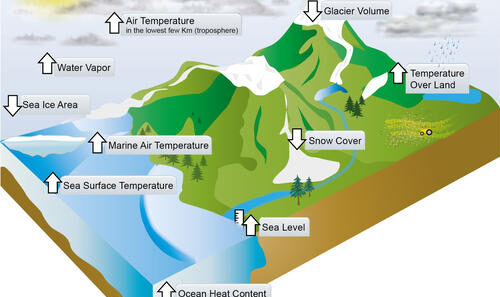
The science is unequivocal: the Earth’s climate is changing at an unprecedented rate, primarily due to anthropogenic greenhouse gas emissions. This phenomenon stems largely from our reliance on fossil fuels, deforestation, and unsustainable agricultural practices. As atmospheric carbon dioxide levels soar, so do global temperatures, triggering a cascade of environmental repercussions. But why should this matter to individuals who may not feel the immediate effects in their daily lives?
First, let’s consider the ecological ramifications. The increase in global temperatures leads to severe alterations in weather patterns. It is not merely hyperbolic to state that climates once deemed normal are becoming relics of the past. Regions across the globe are experiencing intense droughts, ceaseless floods, and unprecedented heatwaves. This creates a domino effect, endangering biodiversity as species struggle to adapt or face extinction. The loss of even a single species can disrupt entire ecosystems, highlighting our interdependence on every organism inhabiting this planet.
Moreover, global warming exacerbates extreme weather events, which are becoming more potent and sporadic. Hurricanes and typhoons are gathering strength over warmer waters, leading to devastating storms that wreak havoc on coastal communities. The damage incurred by these natural disasters results not only in economic burdens but also in lost lives and displacement. When communities are uprooted, the socio-economic fabric of societies disintegrates, leading to increased tensions and conflicts over dwindling resources.
But it is not just the environment that bears the brunt of climate change; humanity’s health is at significant risk as well. Rising temperatures are directly correlated with an increase in heat-related illnesses and a resurgence of vector-borne diseases. As warmer temperatures expand the habitat range of mosquitoes and ticks, diseases such as malaria and dengue fever threaten new populations unaccustomed to their presence. This public health crisis poses a challenge and requires a reevaluation of healthcare systems to address these emerging threats.
In addition, the availability of clean water is becoming a pressing concern. Many regions experiencing prolonged drought conditions see their reservoirs dwindling, contaminating supplies with pollutants and rendering them unfit for consumption. As water becomes scarcer, competition for this vital resource will likely lead to social unrest. Water scarcity is not just an issue of availability; it becomes a key factor in geopolitical relationships as countries contend with shared water sources.
Think about it: how often do we hear the saying “What goes around comes around”? In the case of climate change, our actions reverberate beyond borders, affecting nations around the globe. Countries that contribute the least to greenhouse gas emissions often face the brunt of climate change’s consequences. This stark injustice raises moral and ethical questions about our global responsibilities. It compels us to confront the uncomfortable truth that climate change is not a distant threat relegated to future generations; it is an immediate phenomenon requiring collective global action.
Individuals may wonder what they can do in the face of such widespread challenges. It might seem like a drop in the ocean, but individual actions can lead to profound changes when coupled with policy advocacy and community engagement. The challenge is to cultivate a collective mindset that prioritizes sustainability. Whether one chooses to reduce meat consumption, shift towards renewable energy, or minimize single-use plastics, the cumulative impact of these small actions can inspire larger societal shifts.
Civic engagement plays a pivotal role in this endeavor. For instance, advocating for policies that curb emissions, protect natural habitats, and invest in renewable energy sources can create the political will necessary to enact meaningful change. By leveraging our voices, we empower ourselves and others to challenge the status quo and demand accountability from leaders who may still feign indifference.
Moreover, education is a crucial element in addressing global warming. By fostering awareness and understanding within our communities, we equip individuals to make informed choices about their lifestyles and practices. Emphasizing the importance of scientific literacy can drive more people to take climate issues seriously and engage in solutions.
In conclusion, global warming poses a multifaceted threat to our world that extends well beyond the headlines. It invades the delicate balance of ecosystems, threatens human health, exacerbates resource competition, and raises ethical dilemmas regarding social justice. As we grapple with these realities, we must not succumb to despair or apathy. The collective power of individuals, communities, and nations can catalyze significant change. The challenge lies in moving beyond headlines to nurture a world where the narrative of climate change becomes a story of resilience, responsibility, and renewal. The real question is: are we ready to take up the challenge and strive for a sustainable future?