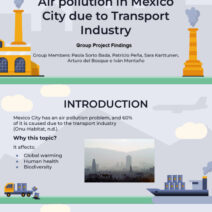




Fossil fuels have played a pivotal role in shaping modern civilization, providing the energy necessary for technological advancement and industrialization. However, this fiery legacy comes at an unprecedented cost to the environment, particularly in the context of global warming. The three primary types of fossil fuels—coal, oil, and natural gas—have a significant impact on our climate and pose dire consequences for future generations.
Coal, one of the oldest fossil fuels, has powered industries for centuries. It consists largely of carbon, and its combustion releases substantial amounts of carbon dioxide (CO2) into the atmosphere. When burned, not only does coal emit CO2, but it also produces various pollutants such as sulfur dioxide (SO2) and nitrogen oxides (NOx) that contribute to acid rain and respiratory health issues. The sheer volume of coal consumed worldwide has made it a leading contributor to anthropogenic climate change. Research indicates that coal-fired power plants are among the largest sources of greenhouse gases in many countries, making it imperative to transition away from this energy source.
Oil, commonly utilized for transportation and heating, represents another crucial component of fossil fuel consumption. Through the extraction, refining, and burning processes, oil releases CO2 and other greenhouse gases. According to the Intergovernmental Panel on Climate Change (IPCC), the combustion of oil products accounts for a significant percentage of global CO2 emissions. Beyond its direct emissions, oil extraction often leads to environmental degradation such as oil spills, which have catastrophic effects on marine ecosystems. The long-term consequences include not only warming but also the loss of biodiversity and the vitality of natural habitats.
Natural gas, often touted as a cleaner alternative to coal and oil, primarily consists of methane—a potent greenhouse gas. Although its combustion produces less CO2 per unit of energy compared to coal and oil, methane is far more effective at trapping heat in the atmosphere. Recent studies reveal that methane leaks from gas extraction processes can significantly undermine its advantage as a cleaner fuel. Notably, the trend to switch from coal to gas as a means of meeting energy demands has delayed essential efforts in reducing global warming. Assessing the climate change implications of natural gas requires a nuanced understanding of its entire lifecycle.
Furthermore, the extraction of fossil fuels often leads to environmental catastrophes, from oil spills to the destruction of ecosystems. The drilling processes, including fracking, can contaminate groundwater and induce seismic activities. Spills can devastate marine life and local economies dependent on fishing and tourism. The extraction and use of fossil fuels, therefore, correspondingly elevate the risks to both human health and the ecological sanctity of our planet.
The impact of fossil fuels on global warming is not an isolated incident but a complex interplay of carbon emissions and ecological shifts. The warming atmosphere disrupts weather patterns, leading to increased frequency and intensity of storms, droughts, and wildfires. These phenomena can devastate communities and obliterate livelihoods, primarily affecting vulnerable populations with scarce resources for adaptation. The historical reliance on fossil fuels has thus fostered systemic inequalities that must be addressed alongside climate action.
As scientific consensus emphasizes the urgency of mitigating climate change, the need to transition to renewable energy sources becomes increasingly critical. Solar, wind, and hydroelectric power provide viable alternatives that could undermine the dependency on fossil fuels. These renewable energy sources produce little to no greenhouse gas emissions, offering a sustainable pathway for meeting global energy demands without exacerbating climate change.
The timeline for this transition, however, must be strategic and immediate. Policies promoting energy efficiency, investment in public transportation, and incentivization for businesses to adopt cleaner technologies can catalyze the movement away from fossil fuels. Additionally, enhancing public awareness regarding the tangible impacts of fossil fuel consumption is essential, as collective action and lifestyle changes can significantly contribute to lowering carbon footprints.
Despite the challenges, governments and organizations worldwide are beginning to recognize the imperative for action. International accords, such as the Paris Agreement, aim to unify nations in reducing carbon emissions and limiting global temperature rise. These frameworks illustrate a growing acknowledgment of the climate crisis and the need for collaborative solutions.
Fossil fuels, while historically integral to human progress, now represent a double-edged sword. As the world grapples with the legacy of reliance on these energy sources, the focus must shift toward sustainable practices. The journey from combustion to clean energy is fraught with challenges yet bolstered by opportunity. The potential for innovation in green technology and renewable resources promises a future where human ingenuity harmonizes with nature, ultimately preserving the planet for subsequent generations.
In summary, while fossil fuels have been catalysts for economic development and societal advancement, their devastating impact on global warming cannot be overstated. Recognizing the fiery legacy of fossil fuels calls for immediate and coordinated action towards sustainable energy solutions. As the severity of climate change unfolds, the onus rests on current policymakers and societal leaders to enact changes that mitigate the disastrous effects we currently face. Our very existence hinges on the choices made today to forge a cleaner and greener tomorrow.