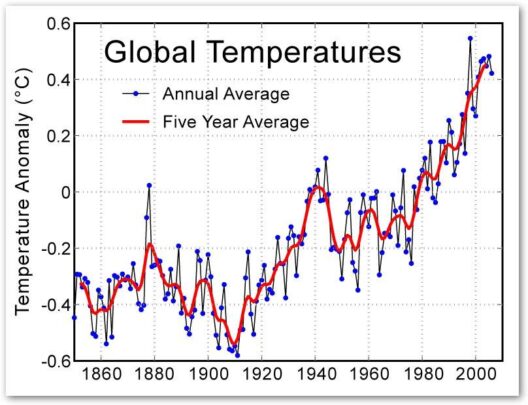

In the vast expanse of the world’s oceans lies a breathtaking spectacle known as the Great Barrier Reef. Spanning approximately 344,400 square kilometers off the coast of Queensland, Australia, it is the largest coral reef system on the planet. This stunning underwater ecosystem is renowned not only for its dazzling beauty but also for its critical role in supporting marine biodiversity. Yet, have you ever pondered how this underwater paradise is becoming increasingly threatened by global warming? As temperatures rise and climate patterns shift, the Great Barrier Reef stands at the precipice of a formidable challenge.
The effects of rising global temperatures on marine ecosystems are complex and multifaceted. To understand the predicament of the Great Barrier Reef, we must first appreciate its intrinsic relationship with the surrounding environment. Corals, the bedrock of this vibrant ecosystem, thrive in specific temperature ranges. Typically, they flourish in waters that are between 23°C and 29°C. However, as the planet warms, incidents of coral bleaching are becoming alarmingly frequent. When water temperatures exceed these optimal conditions, corals expel the symbiotic algae known as zooxanthellae, which provide them with vital nutrients and their stunning hues. Without these algae, corals turn white—a clear sign of stress and a precursor to significant mortality.
A pertinent question arises: how much longer can the Great Barrier Reef endure these relentless assaults on its health? The grim reality is that if global warming continues unabated, we may see a catastrophic decline in coral cover, which would not only spell doom for the reef itself but also for the myriad species that rely on it for survival.
In addition to warming waters, ocean acidification poses a profound threat to the Great Barrier Reef. The absorption of excess atmospheric carbon dioxide by the oceans leads to a decrease in pH levels, making the water more acidic. This alteration hinders the ability of corals to calcify, which is essential for building their structures. The ongoing decline of calcification processes threatens not just the reef’s integrity but also the larger marine ecosystem it supports. Marine creatures, from mollusks to entire fish populations, depend on coral structures for habitat and protection. Consequently, the collapse of the reef could result in significant shifts in local and global fish populations, affecting food security for millions of people who rely on seafood as their primary protein source.
The implications of a deteriorating Great Barrier Reef extend beyond ecological ramifications. Cultural and economic dimensions must also be considered. For many Indigenous Australians, the reef is not merely a habitat but also a vital part of their cultural heritage and identity. The degradation of such a treasured environment represents a profound loss to their ancestral ties and cultural practices. Additionally, the reef is an economic powerhouse that bolsters Australia’s tourism industry. It draws millions of visitors annually, contributing billions to the local economy. The prospect of a bleak future for the Great Barrier Reef poses challenges not only for environmentalists but for tourism operators, local communities, and policymakers alike.
Numerous initiatives are underway to combat the adverse effects of climate change on the reef. Researchers are exploring innovative approaches such as coral transplantation and breeding for climate resilience. Advanced technologies are being employed to monitor coral health and develop strategies that might enhance their survival prospects. However, these efforts underscore a fundamental truth: mitigating climate change at its source is imperative. Global cooperation and commitments to reducing greenhouse gas emissions are essential to avert a disaster that could irreparably alter the natural world.
Communities worldwide play a crucial role in this endeavor. Individual actions, from reducing plastic use to advocating for sustainable practices, contribute significantly to the global movement against climate change. Citizen engagement not only raises awareness but also catalyzes meaningful policy changes at local, national, and international levels. The question remains: are we prepared to act swiftly and decisively to protect our ocean’s jewel?
The challenges posed by climate change may seem insurmountable, but there is hope. In recent years, there has been a surge of grassroots movements demanding climate action and environmental justice. These efforts stem from a growing recognition that the future of the Great Barrier Reef, and indeed our planet, hinges on our collective resolve to take action. The solution lies not only in scientific innovation but also in the unwavering commitment of individuals and communities to advocate for sustainable practices and protect the environment.
The battle for the Great Barrier Reef is emblematic of a broader struggle against environmental degradation driven by climate change. It serves as a poignant reminder that our ocean’s ecosystems are inextricably linked to our survival. As stewards of the planet, we bear a profound responsibility to ensure the health of the natural world for future generations. Together, we can forge a path towards a more sustainable relationship with the environment—one that honors the beauty and fragility of our planet’s wonders. The fight for the Great Barrier Reef is not just a local issue, but a global cause that calls for unity, action, and above all, a commitment to preserving the intricacies of our marine ecosystems.
In conclusion, as we reflect on the significance of the Great Barrier Reef and the daunting challenges it faces due to global warming, we must acknowledge the urgency of taking action. The fate of the reef rests in our hands. It beckons us to confront the reality of climate change and recognize our role in its trajectory. Will we rise to meet this challenge and preserve the extraordinary beauty of the Great Barrier Reef, or will we allow it to slip into oblivion, a stark reminder of what once was? This is a question not only for today but for every generation to come.