
As we traverse the intricate web of life on Earth, the question emerges: how warm is too warm? Our planet’s average temperature continues to rise, and with it, so too do the perils associated with climate change. The scientific community is alarmed, and so should we be. This warming world does not simply signify a slight increase in average temperatures; rather, it portends profound implications for biodiversity, ecosystems, and human existence itself.
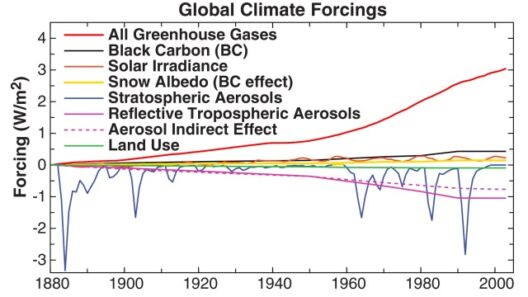
To understand the ramifications of global warming, one must first grasp its definitional backbone. Global warming refers to the long-term increase in Earth’s average surface temperature due to the intensification of the greenhouse effect, primarily driven by the accumulation of carbon dioxide and other greenhouse gases in the atmosphere. Human activities such as burning fossil fuels, deforestation, and industrial agriculture have exacerbated this phenomenon, resulting in an unprecedented rate of change within our climate systems.
Climate change manifests in numerous ways. One of the most prominent effects is the alteration of weather patterns. Our once-reliable seasonal cycles are increasingly chaotic, leading to extreme weather events such as hurricanes, floods, and droughts. For instance, the temperature rise has been linked to the intensification of hurricanes, which are becoming increasingly powerful due to warm ocean waters. This begs the question: how do we prepare for a future where once-seasonal storms become unpredictable tempests threatening lives and livelihoods?
Moreover, global warming compels a reassessment of water resources. The polar ice caps are melting at an alarming pace, contributing to the rise in sea levels and displacing countless communities worldwide. As glaciers recede and snowpacks diminish, freshwater supplies become precarious. Communities that depend on glacial meltwater for irrigation are facing dire challenges. How does a society adapt when its very lifeblood may run dry?
In addition to water scarcity, the effects of rising temperatures extend to agriculture, one of humanity’s oldest practices. Higher temperatures can mitigate crop yields, with staples such as wheat, rice, and corn being particularly vulnerable. The changing climate introduces pests and diseases once undeterred by previous conditions. The resulting food shortages and increased prices could exacerbate global hunger. Will societies emerge as resilient adaptors, or succumb to the chaos of food insecurity?
Another critical dimension of global warming is its impact on biodiversity. Ecosystems are intricately balanced, and even slight shifts in temperature can disrupt these relationships. Species may find themselves unable to adapt or migrate fast enough, resulting in extinction. Coral reefs, which support a myriad of marine life, are under siege from rising sea temperatures and ocean acidification. The dual threat of coral bleaching and habitat loss poses a severe challenge for conservation efforts. Are we prepared to safeguard these marine ecosystems, or will future generations be left with mere fragments of our planet’s rich biodiversity?
The consequences are not limited to nature; humanity, too, is feeling the strain. As natural disasters increase in frequency and severity, economic repercussions unfold. Recovery costs soar, insurance premiums rise, and infrastructure weakens under unprecedented stressors. Vulnerable populations—often those least responsible for emissions—bear the brunt of climate impacts. The interplay between climate change and social equity raises an essential question: can we foster a just transition toward a sustainable future that prioritizes climate action for all?
Additionally, global warming amplifies existing health risks. Heatwaves become more frequent, leading to increased incidences of heat-related illnesses and fatalities. Air quality deteriorates as higher temperatures promote the formation of ground-level ozone, exacerbating respiratory conditions such as asthma. As vector-borne diseases expand their range amid warming temperatures, public health systems prepare to confront new challenges. Are we steeling ourselves for a world where our health is consistently threatened by our changing environment?
As the psychological impacts of climate change develop, societal anxiety is palpable. The phenomenon of eco-anxiety—a chronic fear of environmental doom—illustrates the mental health challenges stemming from our warming world. Young people particularly voice their concerns, driven by the moral implications of leaving behind a degraded planet for future generations. Can we cultivate hope and action to alleviate this despair, or will pessimism stifle our collective response to these challenges?
Despite an overwhelming assortment of challenges associated with global warming, opportunities for action abound. Renewable energy technologies, such as solar, wind, and geothermal, are advancing rapidly. Governments, businesses, and individuals can pivot toward sustainable practices and consumption patterns. The transition to a low-carbon economy holds promise, fostering job creation and resilience against climate impacts. Might human ingenuity, combined with global cooperation, pave the way for a sustainable future?
Ultimately, addressing global warming requires a multifaceted approach and an unwavering commitment to change. Local communities, national governments, and international organizations must collaborate to develop innovative solutions and bolster adaptation strategies. The road ahead is fraught with challenges; however, it is also filled with potential for transformation. The question poised at our doorstep—how warm is too warm—remains uncertain, but one thing is clear: the choices we make today will resound through the corridors of time, shaping the legacy we leave for those who come after us.