


Reflectivity, or albedo, plays a critical role in regulating Earth’s climate. It refers to the ability of surfaces to reflect sunlight. Surfaces with high albedo, such as ice caps and certain deserts, reflect a greater portion of incoming solar radiation compared to surfaces with low albedo, like forests or oceans, which absorb more heat. This complex interplay of reflectivity is central to understanding how different components of the Earth’s surface can either mitigate or exacerbate global warming. So, have you ever wondered how a patch of snow-covered ground can significantly alter the planet’s temperature dynamics?
The Earth is adorned with a myriad of surfaces, each exhibiting distinct reflectivity characteristics. Ice and snow have high albedo, which helps keep the planet cool by bouncing sunlight back into the atmosphere. When the sun strikes these surfaces, a substantial portion of its energy is reflected, thereby preventing excessive warming. Conversely, dark surfaces absorb the sunlight, converting it into heat. This transition from light to dark surfaces is not just a physical change but a dynamic driver of climatic shifts.
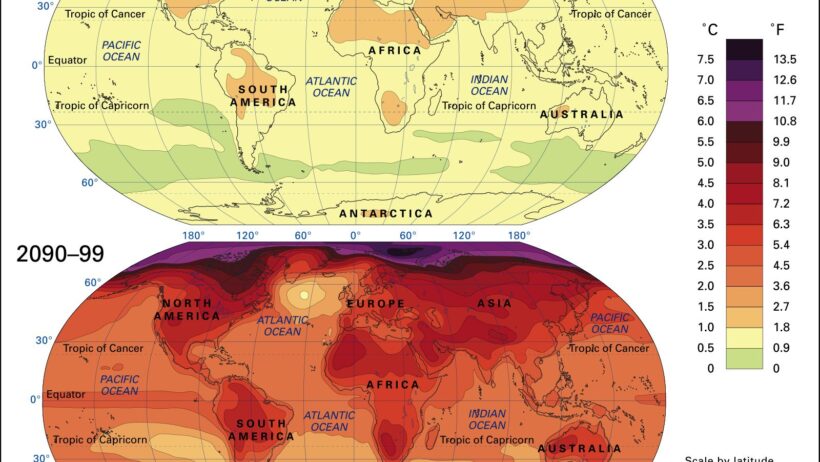
One of the most pressing manifestations of albedo effects is the melting of polar ice caps. As global temperatures rise due to anthropogenic activities, these white expanses shrink, exposing darker ocean waters beneath. This exposure leads to a feedback loop: the more ice melts, the more heat is absorbed, accelerating warming and causing further ice loss. It poses the question: is there an unmistakable tipping point in this cycle that could drastically escalate the pace of climate change?
In addition to polar regions, urban environments also contribute to the albedo challenge. Cities, often constructed of asphalt and concrete, possess low reflectivity. The urban heat island effect intensifies local temperatures, making cities hotter than their rural surroundings. This phenomenon exacerbates energy consumption, as increased air conditioning use drives demand for fossil fuels, further propelling climate change. What if urban planners began to prioritize reflective materials in construction? Could urban landscapes transform into climate allies rather than adversaries?
A significant aspect of the Earth’s surface that often goes overlooked is vegetation. Forests and grasslands have moderate albedo values. They not only play an essential role in carbon sequestration but also influence local climates through transpiration, a process where plants release water vapor into the atmosphere. This additional moisture can aid in cloud formation, leading to cooling effects in some areas. However, deforestation and land-use changes reduce these critical services. As forests are converted into agricultural land or urban areas, the consequent loss of albedo benefits can dramatically alter regional climates. The question remains: how can we incentivize reforestation efforts to enhance reflectivity and combat warming simultaneously?
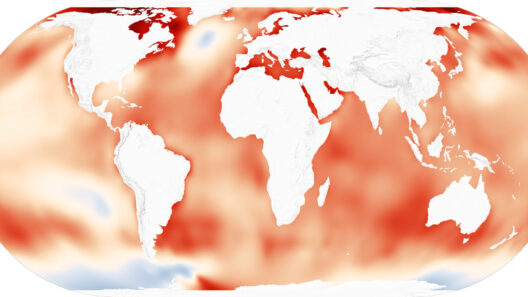
Oceans, covering over seventy percent of the Earth’s surface, also possess a unique albedo effect. While they generally have a low albedo, changes in surface temperature can lead to stratification, affecting marine ecosystems and weather patterns. Warmer waters can result in more intense hurricanes, as they provide the necessary energy for storm development. A dilemma arises when considering oceanal dynamics: should we focus efforts on decreasing emissions, or should we channel resources towards marine resilience to climate impacts?
So, what are the potential solutions to these challenges? Enhancing reflectivity on Earth’s surface offers a multifaceted approach to mitigate global warming. Techniques such as urban greening, utilizing reflective roofing materials, and promoting sustainable agricultural practices can collectively increase the overall albedo. For instance, reflective coatings on rooftops and pavements can effectively reduce urban heat and lower energy demands. Such strategies not only contribute to lowering surface temperatures but also promote a healthier living environment.
Another innovative approach lies in geoengineering concepts, such as managing solar radiation by enhancing the Earth’s reflectivity. This includes proposals like marine cloud brightening, which aims to increase cloud albedo. However, these strategies must be approached with caution, as unintended consequences could emerge, further complicating the climate equation.
The oceans and their albedo, aside from being a source of carbon sinks, require vigilant stewardship as ocean temperatures continue to rise. Promoting sustainable fishing practices and protecting coastal ecosystems can bolster resilience against climate impacts and help maintain balanced reflectivity. The interconnected nature of Earth’s systems means that solutions in one area can have ripple effects across others.
Ultimately, understanding and enhancing reflectivity offers tangible pathways for mitigating climate change impacts. Collective action and innovative strategies are paramount. Engaging various stakeholders, from policymakers to local communities, is essential to foster a sense of shared responsibility for our planet’s health. Can we rise to this challenge and embrace the opportunity to not only preserve but improve Earth’s reflectivity?
Combatting climate change is a formidable task necessitating an integrated understanding of Earth’s processes. Reflectivity serves as a critical nexus in this relationship, influencing temperatures globally. By elevating awareness and rallying action to enhance Earth’s albedo, society can create a more sustainable world, curbing the urgent threat of climate change. The responsibility lies with each of us to reconsider our role in this ongoing dialogue. A more reflective future is within our grasp if we heed the call.