


As the sun rises over the polar expanses of our planet, have you ever paused to ponder the fate of the ice that blankets these vast regions? This begs the question: what if the very frozen landscapes that seem so permanent and timeless are on the brink of a dramatic transformation? The alarming reality is that melting ice caps and glaciers are inexorably linked to global warming, creating an urgent narrative with profound implications for our world.
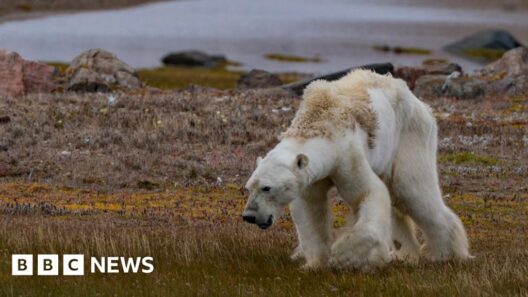
The polar regions, primarily the Arctic and Antarctic, serve as vital indicators of climate health. Ice caps and glaciers, which appear majestic and immutable, are actually dynamic systems responding to the fluctuating temperatures of our atmosphere. Over the past few decades, we have witnessed an unprecedented rate of ice melt, spurred by rising global temperatures. This phenomenon not only impacts wildlife and ecosystems but also contributes significantly to rising ocean levels, creating a cascading effect that threatens coastal communities and low-lying nations worldwide.
Observations from satellite imagery have revealed that the Greenland Ice Sheet is losing mass at an alarming rate. In the early 1990s, the annual loss was approximately 80 billion tons; today, that figure has surged to more than 400 billion tons. Similarly, West Antarctica’s ice has been destabilizing, setting off a worrying trend. Researchers indicate that if these glaciers continue to melt at current rates, the consequences could be catastrophic, leading to a potential rise in sea levels by several feet by the end of the century. But what does this upward trend mean for the average person?
Let’s consider how rising sea levels can influence daily life. Coastal cities like Miami, New Orleans, and Jakarta are already grappling with increased flooding, erosion, and saltwater intrusion into freshwater supplies. As the oceans rise, infrastructure becomes endangered, and property values plummet. Communities are left grappling with the double-edged sword of financial loss and environmental degradation, while governments wrestle with resource allocation for climate resilience strategies. Are we prepared to adapt to a changing shorelines landscape?
Climate change is not just an amorphous problem; it is a critical challenge that demands immediate action and innovative solutions. The melting of polar ice caps is a clarion call for global cooperation against climate change. International agreements, such as the Paris Agreement, aim to unify global efforts toward reducing greenhouse gas emissions to limit global temperature increases. However, the efficacy of these measures hinges on collective action and perseverance.
It is essential to comprehend the interconnectedness between melting ice and climate systems worldwide. As glaciers recede, they reduce the reflective surface area known as albedo, which traditionally helps to cool the planet. The loss of ice leads to more solar energy being absorbed by the ocean, thus exacerbating warming. This feedback loop amplifies the urgency of addressing climate change. Just as the ice melts, so too melts the inaction that has cemented our path towards widespread change.
The very real threat posed by rising oceans invites rigorous scientific inquiry. Oceanic currents, which play a vital role in global climate regulation, are being disrupted by freshwater influx from melting ice. Changes in the thermohaline circulation could result in severe weather patterns, including intensified storms and prolonged droughts, affecting agriculture, water supply, and biodiversity. The prospect of these shifts raises crucial questions: how will communities adjust to unexpected climate extremes? What strategies can be employed to safeguard food and water security?
An essential facet of addressing climate change lies in education and awareness. It is through disseminating knowledge that we can spur civic engagement and grassroots movements aimed at fostering sustainability practices. Regional initiatives focusing on renewable energy, carbon footprints, and waste reduction can empower individuals to contribute to climate action. As we march forward, individuals must evaluate their practices and challenge themselves to take proactive measures. Perhaps it’s time to ask: what steps can you take today to mitigate your impact on the planet?
The convergence of science, technology, and policy is a powerful ally in combating the dual threats of melting ice and rising oceans. Innovations in carbon capture and storage technology, advances in renewable energy, and improvements in energy efficiency are vital in curtailing emissions. Policymakers must champion these technologies while holding industries accountable to sustainable practices. The road ahead is undoubtedly fraught with challenges, yet with determination, resilience, and collaboration, we can forge a future where both ecosystems and human communities thrive.
Ultimately, the stakes are uniquely high. The melting of ice caps is not merely an environmental concern; it is a socioeconomic dilemma that impacts millions. It compels us to reassess our relationship with the earth, prompting a reimagining of societal norms and values. The interplay between humanity and nature demands our utmost attention and action. Will we let this opportunity slip away, or will we seize it, forging a path towards a sustainable and equitable future?
In conclusion, the narrative of melting ice and rising oceans encapsulates a pressing issue that permeates every facet of life on Earth. It invites us to reflect on our choices and behaviors, urging us to contemplate our role in a larger ecological context. As communities rally to address these challenges, let us commit to fostering impactful change. Each small step contributes to a collective evolution towards sustainability, ensuring that future generations inherit a world where both ice and oceans can coexist harmoniously.