
The Philippines, an archipelago composed of over 7,000 islands, stands at the forefront of climate challenges exacerbated by global warming. As a nation rich in biodiversity and cultural heritage, it faces unique vulnerabilities that threaten its ecosystems, economy, and livelihoods. The specter of climate change looms ever larger, bringing a cascade of effects that reverberate through both its natural environments and human communities.
This discourse will navigate through the multifaceted impacts of global warming on this island nation, including rising sea levels, increased frequency of extreme weather events, loss of biodiversity, effects on agriculture, and the socio-economic ramifications. Each aspect underscores the urgency of addressing climate change comprehensively and collaboratively.
Rising Sea Levels: A Precarious Balance
One of the most pressing issues facing the Philippines is the inexorable rise of sea levels. The archipelago is estimated to be at risk of losing up to 30% of its land area by 2050, a catastrophic projection driven by thermal expansion of seawater and the melting of polar ice. Coastal communities, which comprise nearly a third of the population, find themselves in a precarious position as their homes, livelihoods, and cultural landmarks gradually submerge.
The impact of rising sea levels is not merely a matter of physical displacement; it also leads to salinization of freshwater sources, which jeopardizes agriculture and drinking water. Rural areas increasingly struggle to maintain crop viability, while urban centers face heightened economic and social tension as populations migrate inland, seeking refuge from the encroaching sea.
Extreme Weather Events: The New Normal
The archipelago’s geographic location renders it particularly susceptible to extreme weather events. Typhoons, known locally as “bagyo,” have historically battered the islands. However, the frequency and intensity of these storms are escalating, attributed to warmer ocean temperatures. The devastation wrought by Typhoon Haiyan in 2013 serves as a harrowing reminder of nature’s fury; the catastrophe laid bare the profound vulnerabilities of impoverished communities.
Flooding, landslides, and wind damage become part of the new normal, with infrastructure failing to cope under increased stress. The impact on health systems, emergency services, and essential utilities creates a ripple effect, disrupting not only community stability but also the national economy. In the aftermath of such disasters, the costs of rebuilding and adaptation threaten to drain vital resources that could otherwise foster sustainable development.
Loss of Biodiversity: Fragile Ecosystems at Risk
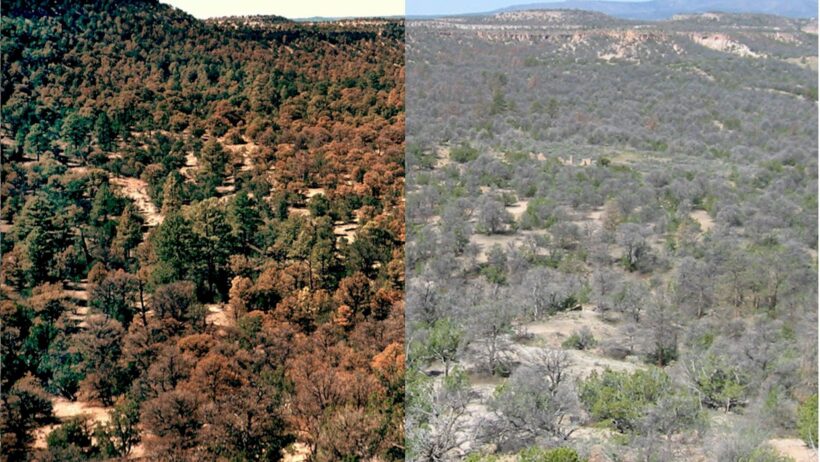
As one of the world’s biodiversity hotspots, the Philippines harbors a wealth of flora and fauna, many species of which are endemic. Climate change poses a dire threat to these delicate ecosystems. Rising temperatures and changing precipitation patterns disrupt the habitats of countless species, leading to shifts in distribution and, in many cases, extinction.
The coral reefs, vital for marine life and local economies dependent on fishing, are particularly vulnerable. Ocean acidification and rising sea temperatures contribute to coral bleaching, diminishing the resilience of these ecosystems. As they deteriorate, a cascade effect occurs: fish populations dwindle, impacting food security and the livelihoods of those who rely on fishing as their primary source of income.
Agricultural Challenges: A Threat to Food Security
The agricultural sector is on the frontline of the climate crisis, grappling with both the immediate and long-term impacts of climate change. Changes in rainfall patterns, droughts, and the increasing prevalence of pests and diseases wreak havoc on crop yields. Rice, a staple food for millions, faces challenges that could undermine national food security.
Farmers, often lacking access to the latest agricultural technologies, are ill-equipped to adapt to rapidly changing conditions. This exacerbates poverty and threatens the livelihoods of rural workers, creating a vicious cycle of vulnerability. Ensuring food sovereignty while addressing climate resiliency becomes an urgent priority for the government and civil society alike.
Socio-Economic Ramifications: The Human Cost
The socio-economic implications of climate change are profoundly interconnected with the physical impacts described above. Vulnerable communities, particularly those in coastal and rural areas, are often the least equipped to respond to the escalating challenges posed by global warming. Displacement, health crises, and loss of income create a potent combination of hardship.
As migrants flood into urban centers seeking better opportunities, cities become strained, leading to inadequate housing, increased pollution, and intensified social tensions. The widening gap between the wealthy and impoverished exacerbates existing inequalities, manifesting in heightened crime rates and social unrest.
In response to these interlocking crises, the Philippine government and various NGOs have been working towards adaptive strategies. Community-based initiatives aimed at building resilience are essential. Education regarding sustainable practices, investments in renewable energy, and improved disaster preparedness are integral components of a holistic response to climate change.
Conclusion: A Call for Collective Action
The Philippines’ battle against climate change is emblematic of a global struggle. As an archipelago confronted with dire environmental shifts, the nation stands as a testament to the challenges and opportunities that climate change presents. The necessity for global solidarity is paramount; countries must come together to share knowledge, resources, and strategies, ensuring that future generations enjoy a sustainable and equitable world.
Each island and community holds a story of resilience amid adversity. The time for proactive measures is now, for the stakes are higher than ever. The Philippines serves as a poignant reminder that the climate crisis is not just an environmental issue; it is indeed a defining challenge of our times, one that calls for immediate action and lasting commitment.