
As the world grapples with the escalating impacts of climate change, sectors that have historically been insulated from environmental discourse are increasingly forced to reckon with this inexorable reality. The military, often viewed through the lens of fortitude and strategizing for conflict, is now compelled to acknowledge the profound implications of a warming world on national security. This intersection between climate change and military readiness reflects not only a pragmatic concern for operational capabilities but also encapsulates deeper political, economic, and ethical dimensions.
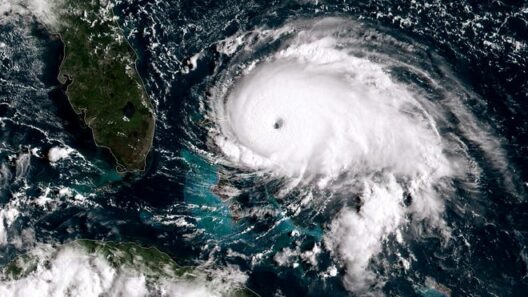
One of the core observations in this discourse is the recognition that climate change acts as a “threat multiplier.” Natural disasters, exacerbated by climate shifts—rising sea levels, extreme weather patterns, and resource scarcity—can destabilize regions, overwhelming governments and igniting conflict. The United States military and other armed forces worldwide are beginning to integrate climate resilience into their strategic frameworks. This shift is not merely reactive; it is a proactive effort to preempt the operational crises that arise from environmental degradation.
The military’s climate plan is fundamentally about adaptation, which involves a comprehensive reinvention of how military infrastructure and operations approach climate-related challenges. This entails evaluating and fortifying bases vulnerable to flooding or extreme weather and rethinking logistics that depend on predictable climates. For instance, the Naval Facilities Engineering Systems Command (NAVFAC) has undertaken assessments to identify which bases are most at risk, ensuring that funding and resources are directed towards enhancing resilience.
Furthermore, the implications of climate change extend beyond physical installations. Human resources are at stake; climate-related displacements could engender a wave of migration, instigating tensions in already fragile regions. The military recognizes that traditional threats, such as terrorism and state aggression, can be compounded by humanitarian crises stemming from environmental collapse. As a result, military training increasingly includes peacekeeping and humanitarian assistance operations to prepare for climate-induced dilemmas.
Moreover, the military’s approach to climate adaptation is intricately tied to innovation and technological advancement. Modern militaries are investing substantially in renewable energy initiatives, driven by the dual aims of enhancing energy security and reducing greenhouse gas emissions. The U.S. Department of Defense has set ambitious goals to reduce its reliance on fossil fuels and increase its usage of solar, wind, and other renewable energies. This objective not only aims to decrease the military’s carbon footprint but also ensures operational independence from vulnerable supply chains. In this context, energy resilience becomes tantamount to national security.
Yet, the military’s climate plan provokes deeper, more profound questions surrounding ethical stewardship and responsibility. As one of the largest institutional consumers of fossil fuels in the world, the military must confront its historical complicity in the very phenomena it now seeks to combat. This presents a paradox: how can an institution fundamentally built on power projection simultaneously advocate for sustainability? The military’s pivot towards greener strategies could be interpreted as an acknowledgment of its role in exacerbating climate issues, thus revealing a complex interplay between accountability and authority.
Internationally, cooperation and collaboration in addressing climate-induced security threats are crucial. The military’s climate plan must not be insular; it should encompass alliances and partnerships with other nations to foster joint resilience efforts. Climate change is a global phenomenon that does not recognize geopolitical boundaries. For example, NATO has declared climate change a security risk and advocates for comprehensive adaptation strategies that include military-to-military dialogues focused on best practices. Such partnerships not only mitigate risks but also build trust among nations, presenting avenues for peaceful conflict resolution.
Nevertheless, integrating climate change into military planning is laden with challenges. Different branches have varying levels of preparedness and commitment to these initiatives. Disparities in funding, political support, and public perception can hinder the adoption of comprehensive climate strategies. Moreover, some experts posit that the resource allocation to climate resilience might detract from other pressing military needs, thus causing rifts within defense institutions and between civilian leadership and military strategists.
As efforts to adapt to a warming world intensify, it is imperative for the military to be transparent in its climate strategy. Public understanding and awareness can galvanize broader support for climate resilience initiatives. Citizens often perceive the military as a bastion of strength; therefore, its active engagement in addressing climate change might catalyze societal shifts toward sustainability. This paradigm shift can foster an era where climate consciousness permeates through all sectors, invigorating a collective response to one of the most pressing issues of our time.
In conclusion, the military’s climate plan represents a pivotal evolution in its operational philosophy, reflecting an understanding that climate change presents a veritable threat to national and global security. By embracing the need for adaptation and innovation, the military is embarking on a path that acknowledges its role in a broader ecological context while simultaneously enhancing its readiness for an uncertain future. The convergence of climate action and military preparedness signifies a critical juncture; a failure to recognize and address this complex interplay could have profound ramifications, not only for military efficacy but for humanity at large.