
The phenomenon of global warming is not a fleeting concern; it is a persistent issue that has been gradually altering the Earth’s climate over an extended period. But how long has global warming been influencing our planet? While it seems like a contemporary crisis, the roots of global warming stretch back further than most people realize. This journey through time will unveil how long global warming has been in our atmosphere and the implications that flow from this protracted challenge.
To embark on this exploration, one must first consider what global warming entails. Essentially, it refers to the long-term increase in Earth’s average surface temperature due to the accumulation of greenhouse gases in the atmosphere. The most significant player in this greenhouse ensemble is carbon dioxide (CO2), but methane (CH4), nitrous oxide (N2O), and other lesser-known gases also contribute to this environmental dilemma. It’s essential to recognize that the story of global warming begins long before the industrial era, where human activity started to have a noticeable impact on climate.
Historically speaking, Earth has undergone numerous climatic adjustments since its formation approximately 4.5 billion years ago. However, focusing on a more recent timeline provides valuable insights. The late 18th century marks a pivotal moment in human history known as the Industrial Revolution. During this period, societies transitioned from agrarian economies to industrial powerhouses, leading to unprecedented fossil fuel consumption. This marked the beginning of a dramatic increase in atmospheric CO2 levels.
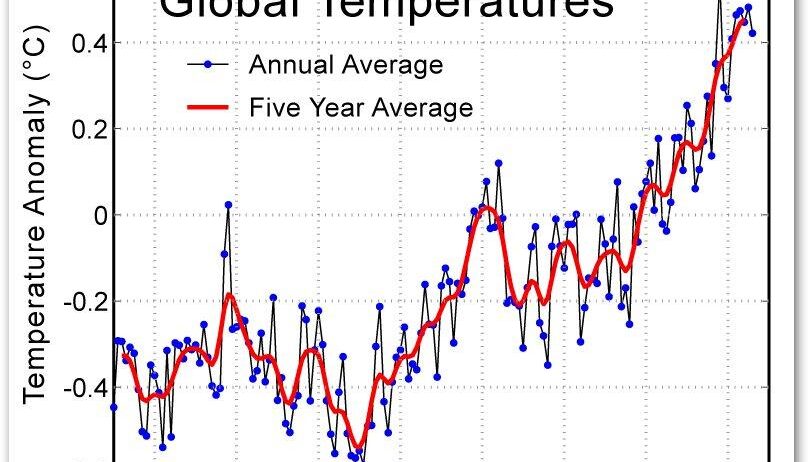
The scientific consensus suggests that significant climatic shifts started manifesting from around the mid-19th century. Notably, the Intergovernmental Panel on Climate Change (IPCC) and numerous scholars have corroborated this assertion. Measurements of CO2 concentrations in the atmosphere began around the 1950s, revealing a disturbing reality: atmospheric CO2 levels were rising at an alarming rate.
But here’s a playful question to ponder: if trees could talk, what stories would they tell about the changing climate over centuries? How might they illustrate the gradual yet widespread transformations they have witnessed? Trees, which have stood for decades, even centuries, are resilient witnesses to the extensive alterations occurring within their ecosystems. They could describe a time when the seasons followed predictable patterns, crops could flourish without the specter of drought, and wildlife thrived abundantly.
The challenge, therefore, is twofold: first, we must recognize how long global warming has been affecting our planet and, second, we must confront the truths revealed by scientific inquiry and historical data. That is, global temperatures have increased by approximately 1.2 degrees Celsius since pre-industrial times, predominantly due to human-induced emissions. When one reflects on this figure combined with an accelerated pace of heatwaves, rising sea levels, and changes in precipitation patterns, it becomes evident that this historical trajectory continues to assert its influence today.
In contemplating this trajectory, one must also consider the epochs of climatic stability and instability. Prior to the Industrial Revolution, climate variability played out over millennia, with phases of glacial and interglacial periods. The Holocene epoch, which commenced roughly 11,700 years ago, has been characterized by a relatively stable climate, facilitating the growth of agriculture and human civilization. Yet, the advent of industrialization shattered this climatic equilibrium. In the grand narrative of Earth’s history, the current climatic disruption instigated by anthropogenic activities can be viewed as an aberration from this long epoch of stability.
Moreover, as the question of time looms large, it is crucial to understand how long we have until irreversible changes take place. Predictions suggest that if current trends continue, the planet could warm by 1.5 degrees Celsius above pre-industrial levels as early as 2030. This raises a formidable challenge: climate change mitigation and adaptation strategies must be deployed urgently and effectively. Will society rise to meet this challenge, recognizing that the burden of inaction falls disproportionately on future generations?
Ignoring these historical trajectories and the current implications is akin to disregarding the proverbial canary in the coal mine. Climate-related disasters are becoming more frequent and severe: hurricanes, wildfires, droughts, and floods have ravaged communities worldwide. Such realities are not isolated events; they are symptomatic of a larger systemic issue entrenched in climate variability triggered by global warming.
Looking toward solutions requires an understanding that awareness alone is not sufficient. While knowledge is foundational, tangible action is essential. Engaging in climate activism, supporting renewable energy initiatives, advocating for policy changes, and embracing sustainable living are pivotal steps that can mitigate the enduring impacts of global warming.
Ultimately, the trajectory of global warming has been inscribed in the annals of Earth’s climatic history for over a century, but its roots extend back even further through cycles of natural climatic variations. The interplay between human activity and environmental stability stands at the forefront of contemporary dialogue. As the existential question of how long global warming has affected our planet lingers, we must collectively address the monumental challenge that lies ahead—fostering a spirit of global cooperation to galvanize efforts toward meaningful change.
In conclusion, the long haul of global warming elucidates a narrative filled with complexities and repercussions. It is not merely about the numbers or the historical timeline; it is about the lived experiences of countless individuals and ecosystems that bear the brunt of this climatic crisis. Action taken today will dictate the legacies left for future generations. Sustainable stewardship of the Earth must become a priority—after all, the planet is not merely ours to use; it is our collective responsibility to nurture and protect for those who will inherit its future.