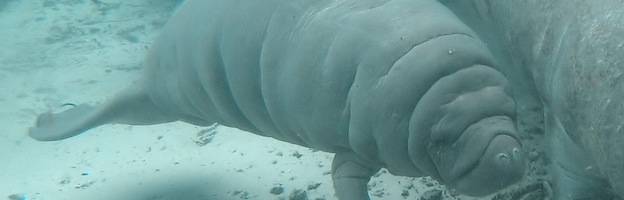

Manatees, often affectionately known as “sea cows,” are gentle marine mammals that inhabit the warm waters of the coastal and freshwater environments in the tropics and subtropics. These aquatic giants, which can reach lengths of up to 13 feet and weigh as much as 1,300 pounds, are a vital part of their ecosystems. Unfortunately, these remarkable creatures are in peril, primarily due to the effects of global warming and climate change. This article delves into the various threats posed by rising temperatures and shifting environmental conditions, as well as the implications for manatees and their habitats.
The first segment must address the essence of manatees’ ecological roles. As herbivores, manatees graze on seagrasses and other aquatic plants. This feeding behavior plays an indispensable role in maintaining the health of seagrass ecosystems. Seagrasses not only serve as a food source for these gentle giants but also provide vital habitats for a plethora of marine organisms, including fish and invertebrates. The decline in seagrass health, a consequence of climate change, jeopardizes both the manatees’ food supply and the broader marine ecology.
One of the most significant challenges posed by global warming is the increase in sea temperatures. Manatees are sensitive to temperature fluctuations and thrive in water that ranges from 68°F to 85°F. As global temperatures rise, the warming waters can lead to habitat loss. In regions where temperatures exceed their tolerance levels, manatees may be forced to migrate to cooler waters, which can lead to increased competition for resources, stress, and potentially greater mortality rates.
In addition to elevated water temperatures, climate change alters precipitation patterns, influencing both freshwater and marine systems. Increased rainfall can lead to freshwater runoff, which causes a notable decrease in salinity levels in coastal areas. While manatees are known to inhabit both fresh and saltwater environments, abrupt changes in salinity can lead to detrimental effects on their health. Furthermore, excessive freshwater input can damage seagrass ecosystems, thus limiting food availability.
The phenomenon of ocean acidification, a direct outcome of elevated carbon dioxide levels, also poses a substantial threat to marine life. As the oceans absorb more CO2, the water’s pH levels decrease, leading to an environment that is less hospitable for various marine organisms, including seagrasses. A decline in seagrass health due to acidification fundamentally undermines the base of the food chain in coastal ecosystems, further exacerbating the challenges manatees face.
Rising sea levels, another effect of global warming, are particularly alarming for manatees, especially in coastal habitats. Sea level rise can lead to the inundation of crucial seagrass beds and the loss of warm-water refuges where manatees seek shelter during colder months. Moreover, the intrusion of saltwater into freshwater systems can have devastating consequences for manatee populations, as they may be deprived of critical habitat areas.
The human dimension of climate change cannot be overlooked. As coastal development escalates in response to rising sea levels and other environmental pressures, manatees often lose their habitats to urbanization. This transition leads to habitat fragmentation, which isolates populations and disrupts migration patterns. Moreover, increased boat traffic in areas where manatees reside raises the risk of fatal encounters, compounding the struggle for survival for these magnificent animals.
Conservation efforts are paramount. Legislation aimed at protecting manatees and their habitats has been initiated in various regions, but often these actions are insufficient. Education and awareness are crucial to mobilizing public support for manatee conservation initiatives. Through outreach and community engagement, solutions can emerge that not only aim to protect manatees but also promote broader environmental stewardship.
The integration of scientific research into adaptive management strategies is also vital. Understanding the direct impacts of climate change on manatee populations entails ongoing studies focused on their migratory behavior, population dynamics, and ecological interactions. This knowledge can empower conservationists to develop more effective measures tailored to safeguard these creatures amid rapidly changing conditions.
In summary, the plight of manatees in the face of global warming is a multifaceted issue that entails examining interconnected environmental factors. As climate change continues to reshape marine habitats and influence ecological dynamics, it is essential to bolster conservation efforts and integrate community awareness. By recognizing the significance of preserving manatees and their ecosystems, we can take meaningful steps toward mitigating the effects of climate change and ensuring the survival of these gentle giants. Help us advocate for manatees by supporting conservation initiatives and spreading awareness about the pressing need to combat climate change.