
As global temperatures continue to rise, the ecosystems of the United States face unprecedented challenges. But how long can these diverse ecosystems endure under the strain of climate change? This question invites us to explore a plethora of entangled variables ranging from species adaptation to habitat degradation, each influencing the longevity of the nation’s ecological tapestry.
To commence our exploration, it is essential to comprehend what defines an ecosystem. An ecosystem encompasses a complex network of interactions among living organisms—plants, animals, fungi, and microorganisms—and their physical environments. The United States boasts a rich variety of ecosystems, including forests, wetlands, grasslands, and coastal zones, each contributing to the overall biodiversity essential for maintaining ecological balance.
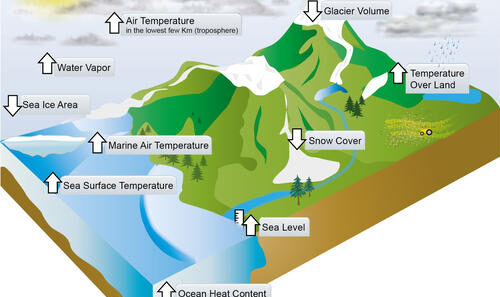
However, the looming specter of global warming poses significant threats to these ecosystems. One might ponder: what if the fabric of our ecosystems began to unravel? The repercussions are not simply hypothetical; warming temperatures disrupt seasonal cycles, influence species distribution, and exacerbate existing environmental issues such as pollution and habitat destruction.
Evidence suggests that temperature increases are already altering the distribution of flora and fauna across the United States. For instance, species typically found in warmer climates, such as the Southern Pine Beetle, are migrating northward due to rising temperatures. This expansion threatens temperate forests, potentially resulting in large-scale die-offs of trees that cannot adapt quickly enough. With the intricate relationships between species, the repercussions can cascade, affecting not only plant life but also herbivores and the predators that rely on them.
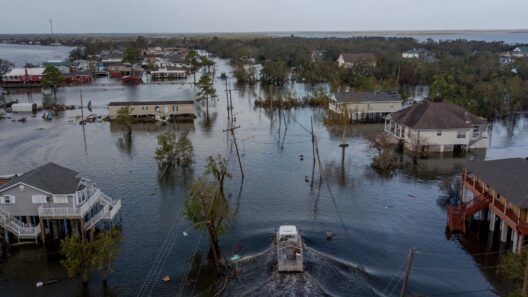
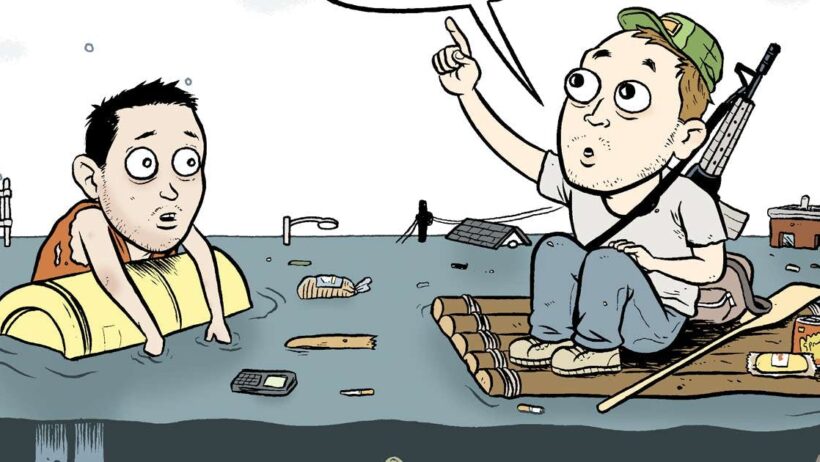
Additionally, global warming catalyzes changes in precipitation patterns. Increased intensity and variability of rainfall can lead to severe flooding or prolonged droughts. Wetlands, crucial for filtering pollutants and providing habitat, may experience destabilization as the natural hydrological cycle is altered. Consider the coastal ecosystems, such as the everglades and marshes. Rising sea levels threaten saltwater intrusion, jeopardizing freshwater availability and displacing countless species. Here, the challenge is stark: can these ecosystems adapt to the rapid changes, or will they falter when faced with these daunting realities?
The plight of coral reefs exemplifies the fragility of marine ecosystems under the duress of warming. As ocean temperatures increase, coral bleaching events become more frequent and severe. The symbiotic relationship between corals and the algae that provide them with nutrients becomes strained, leading to widespread reef degradation. The disappearance of coral reefs not only signifies a loss of biodiversity but also impacts coastal communities relying on these systems for their livelihoods. Could we bear witness to the vanishing of entire underwater cities?
In addition to temperature and precipitation shifts, global warming exacerbates the frequency and intensity of extreme weather events. Hurricanes, wildfires, and heatwaves have become more severe, wreaking havoc on ecosystems and human infrastructure alike. The legacy of a stronger hurricane season leaves mangroves and barrier islands battered and eroded, diminishing their ability to shield coastal areas. Meanwhile, wildfires ravaging forests can devastate vast landscapes, erasing habitats in a matter of hours. How resilient are these ecosystems? Are they equipped to recover, or are we witnessing an ecological tipping point?
While the challenges appear formidable, ecosystems do exhibit a remarkable degree of resilience. Many species possess inherent adaptive traits that may enable them to withstand environmental fluctuations. For example, some plants can shift their blooming periods to match altered climatic conditions. Similarly, animal populations may migrate to more suitable habitats, seeking refuge as their traditional territories become inhospitable. Nevertheless, the rate of change induced by human activities often outpaces the ability of species to adapt, leading to increased extinction rates.
To compound this dilemma, the intersectionality of global warming with socioeconomic factors creates a complex scenario. Communities dependent on natural resources face heightened vulnerabilities. As ecosystems degrade, so do the services they provide, from clean water to food security. This dynamic can foster conflict, driving migration and creating additional strain on already stressed regions. Can we find equitable solutions that address both environmental and human needs?
Mitigation and adaptation strategies will be indispensable in prolonging the lifespan of U.S. ecosystems. Integrated approaches that combine conservation efforts with sustainable development can bolster ecosystem resilience. Protecting large contiguous areas of habitat is particularly crucial, facilitating wildlife corridors that permit species movement in response to climate pressures. Restoration projects focusing on reforestation, wetland rehabilitation, and erosion control also play a vital role in enhancing ecosystem functionality.
Moreover, embracing indigenous ecological knowledge can provide invaluable insights into sustainable practices. Indigenous communities have long practiced land stewardship methods that promote biodiversity and soil health, offering lessons on integrated land management. It begs the question: can we utilize these traditional approaches to foster a deeper connection between people and the land?
As we ponder the ultimate fate of U.S. ecosystems amid the relentless advance of global warming, we must confront our role in this crisis. Are we willing to change our behaviors and policies to safeguard our natural heritage? The answer to that question will significantly influence how long our ecosystems can endure amidst the challenges posed by a warming planet. The clock is ticking, and the choices we make now will echo through the corridors of time, shaping the fate of the ecosystems that cradle our living world.