
Species on the brink of extinction due to global warming is a grim reality that resonates deeply with many. The observation that animal populations are dwindling has become a poignant echo of our times, stirring not only concern but also a profound curiosity about the interconnectedness of life on Earth. As temperatures rise and habitats shift, the stark question arises: how many animals are succumbing to the relentless pressures of climate change each year?
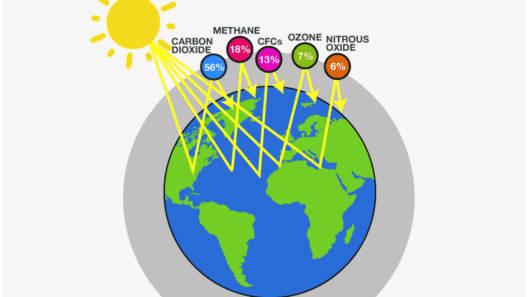
Global warming, primarily driven by anthropogenic activities such as fossil fuel combustion and deforestation, exemplifies a complex interplay of environmental factors. Rising temperatures lead to habitat degradation, loss of biodiversity, and altered ecological dynamics. These phenomena culminate in increased mortality rates among various species, although quantifying exact figures remains a formidable challenge.
In many ecosystems, temperature fluctuations can spell disaster. For instance, coral reefs, which harbor an astounding diversity of marine life, are bleached when water temperatures exceed the optimal range. The Great Barrier Reef, once a breathtaking tableau of life, has experienced unprecedented bleaching events, leading to massive coral die-offs. Consequently, this devastation indirectly affects numerous species that depend on coral for habitat and nourishment. The ramifications extend beyond mere numbers; they threaten entire marine food webs.
Terrestrial species are not exempt from these detrimental effects. Shifts in temperature and precipitation patterns disrupt migratory behaviors, breeding cycles, and food availability. For instance, the plight of the polar bear serves as a harrowing symbol of climate change’s impact. As Arctic ice melts—a direct consequence of global warming—these majestic creatures struggle to hunt seals, their primary source of sustenance. Each year, the diminishing ice cap dramatically reduces their chance of survival, raising concerns that the species could face extinction within decades.
The relationship between climate change and the survival of wildlife is not a simple cause-and-effect equation. Additional factors, such as human encroachment on natural habitats, pollution, and invasive species, compound the threats faced by many animals. As forests are cleared for agriculture or urban development, creatures like the orangutan experience habitat loss and fragmentation. These elephants in the room highlight the urgency of addressing not just climate change but the broader environmental crisis that exacerbates it.
Estimating the annual death toll of animal species attributed to climate change involves numerous uncertainties. However, scientists have made crucial inroads into understanding the broader implications. According to various studies, hundreds of species are already on the precipice of extinction, and climate change accounts for a substantial portion of those threats. The International Union for Conservation of Nature (IUCN) has classified over 28,000 species as threatened, while climate change is listed as a primary driver for a significant proportion of their decline.
Birds, amphibians, and reptiles are particularly susceptible to global warming due to their reliance on specific environmental conditions for reproduction and survival. The golden toad, once endemic to Costa Rica, serves as a poignant example of a species that has vanished, likely due to the changes wrought by climate change. This reflects a broader trend, as increasing temperatures and altered precipitation patterns create unsuitable habitats for many amphibian populations worldwide.
Climate change does not discriminate; it takes a toll on both large charismatic megafauna and the myriad less conspicuous organisms. Insects, which form the backbone of many ecosystems, face similar adversities. With temperatures rising, some insect species have started to migrate towards cooler regions, yet many cannot adapt quickly enough to the shifting landscape. This leads to a ripple effect, disrupting pollination cycles essential for food production and the survival of plants and animals alike.
Addressing the question of how many animals die from global warming each year necessitates recognition of the intricate web of life and the myriad interdependencies therein. In the quest for biodiversity preservation, conservation efforts must transcend simple numerical analysis; they must encompass holistic approaches to ecosystem management. Protecting habitats, implementing sustainable land-use practices, and fostering ecological resilience is paramount to mitigating the impacts of climate change.
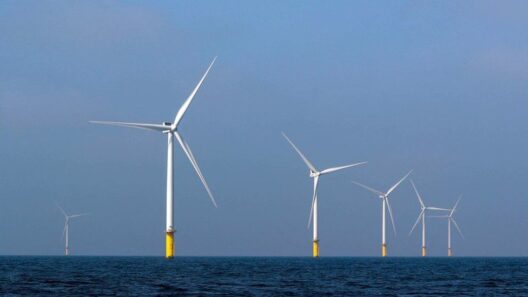
Policy initiatives aimed at reducing greenhouse gas emissions also play a critical role. Transitioning to renewable energy sources, enhancing energy efficiency, and promoting reforestation are essential steps in combating the root causes of climate change. By enacting policies that prioritize environmental sustainability, society can create an atmosphere where wildlife has a chance to thrive amid changing climatic conditions.
In summary, the quest to determine how many animals are perishing annually due to global warming can seem like a Sisyphean task. Nonetheless, understanding the broader implications of climate change on biodiversity is crucial for conservation efforts and policy formulation. Every extinction represents not just the loss of a species but the degradation of ecosystems and the entwined fates of countless other organisms. As stewards of the planet, we must act decisively and compassionately to safeguard the delicate tapestry of life that remains. The time for action is now; the future of countless species hangs in the balance, urging humanity to confront the environmental challenges head-on.