
As the specter of climate change looms larger, the ramifications of global warming extend beyond mere human inconveniences. One of the most poignant issues arising from this predicament is the alarming rate of species extinction. Many animals are teetering on the precipice of existence, pushed to the edge by rising temperatures and changing ecosystems. This phenomenon, often dubbed “silent extinction,” underscores the intricate relationship between climate dynamics and biodiversity.
The term “silent extinction” refers to the gradual disappearance of species that often goes unnoticed until it is too late. Unlike sudden, catastrophic extinction events, silent extinctions permeate ecosystems at a slow but inexorable pace. The gradual change in habitats complicates conservation efforts; often, by the time a species is recognized as endangered, it may already be on the brink of oblivion.
To grasp the enormity of this issue, it’s essential to delve into the factors driving these extinctions. As temperatures rise, habitats are altered, leading to the disruption of food chains, breeding cycles, and migratory patterns. For many species, their specific ecological niche becomes uninhabitable. Coral reefs exemplify this conundrum. Responsible for hosting about 25% of marine life, these vibrant ecosystems are vanishing due to ocean acidification and warming waters. The destruction of coral reefs not only threatens thousands of fish species but also affects coastal communities that depend on these habitats for sustenance and economic livelihood.
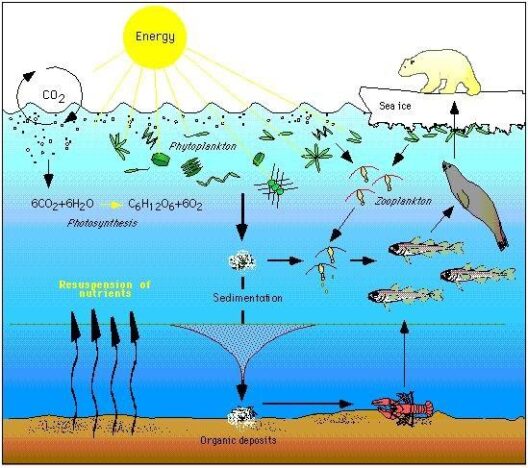
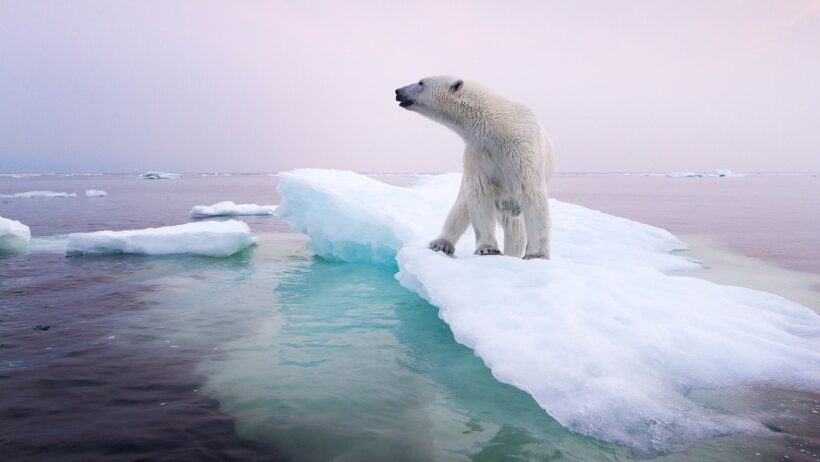
Moreover, mammals are facing dire consequences. Polar bears, emblematic of the climate change crisis, are struggling as sea ice recedes, diminishing their hunting grounds. As their natural habitats shrink, the survival mechanisms of these majestic creatures falter. Other species, such as the snow leopard and the red wolf, confront similar fates, their populations dwindling as their ranges compress and food sources decline. These mammals, while some of the most recognizable, represent a broader trend affecting various taxa worldwide.
Insect populations, crucial yet often overlooked, are experiencing a dramatic decline. Recent studies indicate that globally, insect biomass is plummeting at an alarming rate. This reduction jeopardizes pollination, a function vital to the reproduction of approximately 75% of flowering plants. Losing these insects translates into cascading effects throughout ecosystems, impacting not only the plants they pollinate but also the myriad creatures relying on those plants for sustenance. The interconnectedness of life on Earth becomes glaringly apparent when considering the implications of such losses.
Furthermore, amphibians are often seen as biological indicators of ecosystem health, yet they are among the most vulnerable groups facing extinction. Climate change exacerbates the threats posed by habitat destruction, pollution, and disease. The plight of the golden toad in Costa Rica, declared extinct in the late 1980s, resonates as a somber reminder of what can happen when climate shifts occur too rapidly for species to adapt. Habitat loss coupled with increased disease susceptibility has rendered many amphibian populations fragile, making them susceptible to silent extinction.
Birds, too, are not exempt from this harrowing reality. Changes in climate have led to altered migration patterns and breeding seasons, causing mismatches in ecosystems. Birds reliant on specific habitats—like the California condor or the whooping crane—face increasing challenges as their environments become inhospitable. The loss of biodiversity among avian populations can disrupt ecosystems, further affecting plant life and other animal species, underscoring the far-reaching consequences of avifauna decline.
The implications of these extinctions extend beyond the affected species. Ecosystem services, such as clean water, pollination, and climate regulation, become compromised when species are lost. The biodiversity crisis catalyzed by climate change poses a direct threat to human well-being, as many communities depend on healthy ecosystems for livelihoods and resources. A deeper understanding of the interplay between climate change and species extinction thus becomes vital for fostering a sustainable environment.
In response to this pressing issue, the realm of conservation is evolving. Ecologists are advocating for proactive approaches to safeguarding biodiversity in the face of climate change. One strategy involves creating wildlife corridors, allowing species to migrate to more suitable habitats as climates shift. Restoring and preserving habitats can also bolster resilience against extinction. Additionally, raising awareness about the significance of biodiversity is crucial; understanding that each species plays a distinct role in maintaining ecosystem balance can inspire collective action for conservation.
Moreover, the integration of technology in conservation efforts is providing new avenues for addressing silent extinction. Innovations such as remote sensing and genetic monitoring offer insights into population dynamics and habitat changes, allowing conservationists to make more informed decisions. Sustainable practices, while paramount, must also embrace the latest scientific advancements to counteract the threats posed by global warming effectively.
The challenge of climate change is daunting, yet it offers an opportunity for a paradigm shift in how humanity perceives its role in the natural world. Recognizing the interconnectedness of species and ecosystems empowers individuals and communities to advocate for sustainable practices. The phenomenon of silent extinction serves as a critical wake-up call; understanding its implications motivates action that transcends individual and local interests, reinforcing the notion that the preservation of life on Earth is a collective responsibility.
In conclusion, as global warming continues to escalate, the silent extinction of various species stands as a stark reminder of what is at stake. While the challenges are formidable, the potential for change exists. Reinforcing biodiversity conservation while addressing climate change is not merely a choice; it is an imperative for the survival of countless species, including our own. By fostering a deeper understanding of these interconnected issues, a planet where all species can thrive is still within reach.