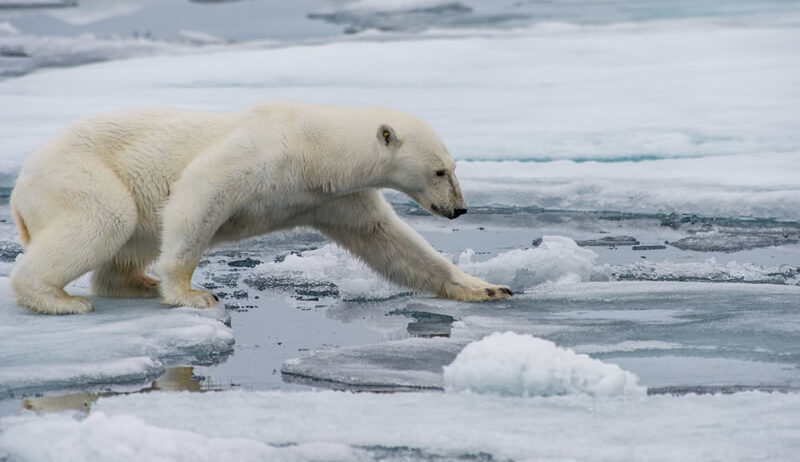

As we delve into the intricate web of life on our planet, it begs the question: How many animals are directly impacted by the relentless march of global warming? While the iconic polar bear often takes center stage in discussions about climate change, it is crucial to recognize that many species—some known and others more obscure—are equally affected by the shifting climate. This essay endeavors to illuminate the broader landscape of animal life impacted by global warming, emphasizing the urgency of this complex challenge.
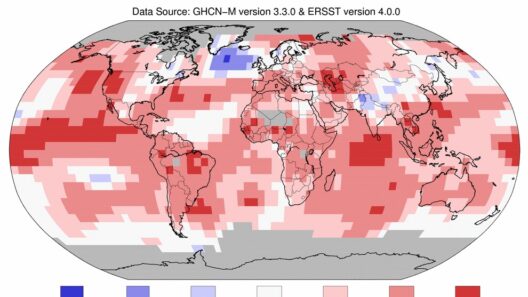
The average global temperature has increased by approximately 1.2 degrees Celsius since the dawn of the industrial era. This seemingly modest rise conceals a cascade of consequences. As ecosystems undergo transformation, many species find themselves struggling to adapt. The polar bear, a symbol of climate-induced distress, faces dwindling ice habitats in the Arctic. However, it is vital to broaden our purview beyond this emblematic creature.
Consider the plight of amphibians, particularly the golden toad of Costa Rica, which has disappeared due to climate change-induced habitat loss and disease exacerbated by warmer temperatures. Amphibians are notorious for their sensitivity to environmental changes, making them harbingers of ecological health. Their decline reflects a broader trend as warming climates alter precipitation patterns, disrupt breeding cycles, and facilitate the spread of pathogens. These changes do not solely affect the amphibians; they reverberate through entire ecosystems.
The plight of marine life is no less alarming. Coral reefs, often dubbed the rainforests of the sea, are largely dependent on stable water temperatures. With oceans warming—an unfortunate byproduct of increased greenhouse gas emissions—bleaching events have become more frequent and severe. The Great Barrier Reef, a UNESCO World Heritage site, witnessed mass bleaching in recent years, decimating the habitats of countless species, from the tiniest fish to majestic sea turtles. When corals die, the ripple effect into adjacent ecosystems is profound, as these structures provide shelter and sustenance for an extensive array of marine organisms.
Birds, too, are feeling the impact of climate change. Altered migratory patterns are pushing many species to the brink. The wood thrush, for instance, is experiencing shifts in its migration due to changing weather patterns that disrupt the synchronization between its arrival and the availability of food sources. As breeding grounds become unsuitable, populations dwindle. The resilience of bird species is being tested as they are forced to adapt or perish.
Moreover, terrestrial mammals across the globe are facing daunting challenges. Consider the African elephants, whose migratory routes are being fragmented by human encroachment and changing climate conditions. As habitats become inhospitable due to rising temperatures and altered vegetation patterns, these majestic animals struggle to find adequate food and water sources. The resultant stress leads to increased mortality and a decline in reproductive success, impacting population dynamics.
The fabled monarch butterfly presents another clear example of the intricate links between climate change and animal survival. This once-abundant species migrates thousands of miles between North America and Mexico. However, as climate patterns shift, their breeding grounds become less predictable and more perilous. With the continuation of environmental changes, the migratory pathways may become entirely unviable, presenting an existential crisis for the monarchs.
Insects, often overlooked yet integral to our ecosystems, are also falling victim to global warming. Many pollinator species, such as bees, are struggling to cope with fluctuating temperatures and the loss of habitat. These tiny creatures play a massive role in the reproduction of flowering plants, which in turn supports numerous animal species. What would our world look like without these pivotal pollinators? The implications are staggering.
As we endeavor to grasp the full extent of global warming’s impact on biodiversity, it becomes evident that the interconnectedness of life necessitates a holistic approach to environmental stewardship. The challenges are immense but not insurmountable. Conservation efforts must adapt to the dynamic realities of our changing climate. This includes establishing wildlife corridors to facilitate species migration and buffer zones to protect vulnerable habitats from further degradation.
Moreover, it is essential to foster a greater public understanding of the complexities of climate change. Engaging communities in sustainability practices such as reducing carbon footprints, supporting renewable energy initiatives, and participating in local conservation projects can create a ripple effect. With collective action, humanity can staunch the tide of biodiversity loss and forge a future where ecosystems thrive alongside human development.
As we contemplate the myriad species affected by global warming, the call to action is unequivocal. Yes, polar bears symbolize the struggle of climate change, but they are far from alone. From the depths of the oceans to the heights of the mountains, a multitude of animals teeter on the brink. The clock is ticking, and as stewards of this planet, it is our responsibility to combat the challenges posed by global warming. Each effort, no matter how small, contributes to the larger tapestry of ecological resilience.
In closing, it is imperative to remember the interconnectedness of life. The phenomena of climate change encompass more than just isolated instances; they are a complex network of interactions affecting all living beings. The losses will be monumental if we do not act decisively and compassionately. Together, we have the power to make a difference—not just for ourselves, but for the countless species that share our Earth and rely on its delicate balance.