

Global warming is not merely a buzzword; it is an empirical phenomenon receiving substantial attention from scientists globally. The implications of climate change are profound and frightening, with ecosystems at risk, extreme weather events on the rise, and significant impacts on biodiversity. If our planet could talk, it would likely present a compelling argument for urgent action. Have you ever pondered what the animal kingdom might say about their rapidly changing habitats?
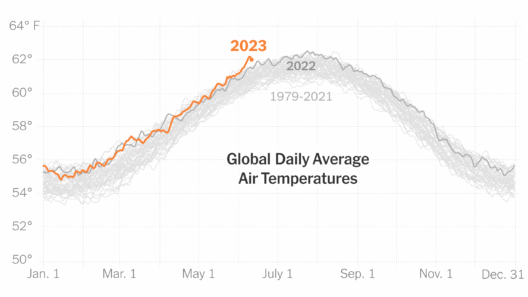
As we delve into the intricate tapestry of global warming, it is essential to dissect the scientific consensus surrounding this phenomenon. Experts across disciplines agree that human activity is the primary catalyst of climate change. The burning of fossil fuels, deforestation, and agricultural practices release considerable amounts of greenhouse gases into the atmosphere. This accumulation traps heat, resulting in a warming effect commonly referred to as the greenhouse effect. It raises a crucial question: how are different species reacting to this climatic upheaval?
Many species are exhibiting profound behavioral shifts. For instance, migratory birds are altering their travel patterns in response to fluctuating temperatures and shifts in seasonal food availability. Aquatic life, including fish populations, is also feeling the strain. As ocean temperatures rise, species are forced to relocate to cooler waters, frequently leading to a misalignment with their historical spawning grounds. This phenomenon enunciates a significant concern for marine ecosystems and the communities that rely on them for sustenance.
Furthermore, the amplification of extreme weather events poses a direct threat to biodiversity and ecological stability. Hurricanes, floods, and droughts are becoming increasingly common. These events do not simply disrupt human life; they wreak havoc on natural habitats. For example, coral reefs, often referred to as the “rainforests of the sea,” are experiencing widespread bleaching due to warmer temperatures and acidifying oceans. This destruction directly impacts marine biodiversity, including countless species such as sea turtles and various fish that depend on coral reefs for habitat and food.
The polar regions are particularly emblematic of climate change’s stark realities. Ice caps are melting at unprecedented rates, leading to habitat loss for native species such as polar bears, seals, and walruses. As their habitats diminish, these animals face existential threats. The reduction in ice affects their hunting strategies and breeding grounds, posing a critical challenge for their survival. It serves as a reminder that while humans may adapt, many species cannot. This raises possibilities for future extinctions and biodiversity loss.
But what can be done? Governments, organizations, and individuals must collaborate to form a multifaceted approach to combat climate change. Renewable energy technologies must be embraced to reduce reliance on fossil fuels. Wind, solar, and hydroelectric power offer viable alternatives that can significantly decrease carbon emissions. However, transitioning to a green economy requires resilience and investment from all sectors of society.
Additionally, reforestation and conservation efforts play a paramount role in mitigating climate change. Forests act as carbon sinks, absorbing vast quantities of carbon dioxide from the atmosphere. Protecting existing forests and restoring degraded lands can serve as a buffer against the impacts of global warming. These actions not only enhance biodiversity but also inspire community engagement in sustainability efforts. Everyone has a stake in the earth’s future; thus, advocating for reforestation initiatives can bridge gaps between urban and rural communities.
Educational initiatives centered around climate change are vital for fostering awareness and empowering future generations. Schools and organizations must prioritize environmental education to equip individuals with the knowledge to make informed decisions and encourage activism. Young people, often dubbed the “climate generation,” have an unparalleled ability to mobilize and inspire change. The power of youth-led movements has already profoundly influenced global climate narratives, amplifying the urgency for political action. They compel policymakers to address fascinating challenges such as climate justice, emphasizing the disproportionate impacts experienced by marginalized communities.
The conundrum remains: how do we balance the urgency of climate action with economic growth? It is crucial to challenge the misconception that environmental stewardship and economic advancement are mutually exclusive. Sustainable practices can lead to job creation, innovation in green technologies, and ultimately, a more resilient economy. Transitioning to sustainable systems not only addresses climate concerns but also fosters community resilience. Implementing circular economies, where resources are reused and repurposed, can drive economic growth while simultaneously safeguarding the environment.
The warmer reality facing our planet does not diminish the innate resilience of nature, but it does set forth a clarion call for conscientious action. The intricate relationship between human beings and the natural world beckons us to reassess our practices. In this era of climate disruption, nothing is more pertinent than the question: how can we, as stewards of the earth, act in tandem with nature to foster a sustainable existence? The answer lies in our ability to innovate, educate, and advocate for both our well-being and that of the myriad species that share our home.
In conclusion, global warming is a complex issue necessitating immediate and factor-driven interventions. The stakes are immeasurable, and the time for action is now. As we ponder the future, let us remain diligent, informed, and ever mindful of the calls for action from both the experts and the natural world. Our response will determine the legacy we leave behind, not only for ourselves but also for the myriad lives intertwined with ours on this fragile planet.