

Global warming has emerged as one of the most pressing issues of our time, casting a long shadow over discussions about the future of our planet. As temperatures rise, ice caps melt, and weather patterns become increasingly erratic, the spectrum of opinion surrounding climate change is extraordinarily diverse. This essay delves into the myriad viewpoints on global warming, presenting a nuanced panorama that reveals the divides in belief, access to information, and socio-political influences that shape our understanding of this critical issue.
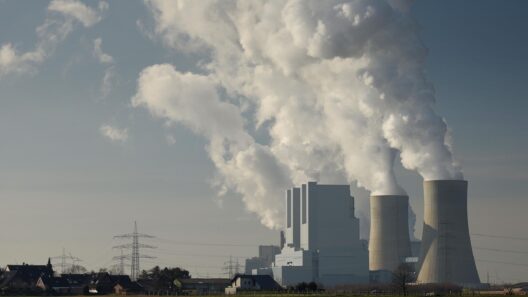
To start, let’s consider the skeptics. A significant segment of the population, often termed climate change deniers, refuses to accept the overwhelming scientific consensus that human activities—particularly the combustion of fossil fuels—are the principal drivers of global warming. Skeptics argue that climate models are unreliable, citing instances of predicted events failing to manifest as intended. Their beliefs usually extend from a misunderstanding of scientific data or a general mistrust of scientists and institutions advocating for climate action. This group often articulates concerns about the economic implications of stringent environmental regulations, perceiving them as detrimental to prosperity and job retention.
On the other end of the spectrum lies a widely growing faction of climate change advocates. These individuals—scientists, activists, and concerned citizens—view global warming as an existential threat requiring immediate and radical action. They often support policies aimed at significant reductions in carbon emissions, investment in renewable energy technologies, and international agreements like the Paris Accord. Their argument hinges on the ethical dimensions of climate action. A critical tenet posited by advocates is that our obligation to mitigate climate change not only addresses current harms but also protects future generations. Furthermore, they frequently cite alarming statistics and reports from reputable organizations to galvanize support for urgent climate initiatives.
Amidst these opposing viewpoints resides a significant yet often overlooked group: the ambivalent. This demographic encompasses individuals who, while acknowledging the reality of climate change, are either uninformed about the necessary actions to mitigate its effects or feel helpless in the face of such an immense issue. They vacillate between concern and apathy, often citing a lack of information or support as barriers to proactive engagement. This group can be particularly interesting as they hold the potential for transformation. With improved education and the right messaging, these individuals might transition into informed advocates for climate action.
Geographical influences play a crucial role in shaping beliefs about global warming. For many in developed countries, the visibility of climate impacts—such as rising sea levels, increasingly severe storms, or prolonged droughts—serves as a catalyst for concern. Conversely, in developing nations, economic stability often competes with environmental sustainability. Here, the immediate priority is often economic growth, which can clash with the long-term benefits of climate action. This presents a moral quandary, as poorer nations may bear the brunt of climate consequences they did not contribute to significantly. When we take a global perspective, the belief spectrum widens further, revealing attitudes shaped by culture, history, and economic status.
In examining how media portrayal influences public opinion, it’s clear that the narrative surrounding global warming can be severely polarized. Sensational reporting can skew perceptions, sometimes propagating misinformation or downplaying scientific truths. Consider the depiction of climate phenomena in popular media versus scientific journals. The former often dramatizes events, catering to audience emotions, while the latter presents a more measured view grounded in empirical evidence. How these narratives converge or diverge can shape public sentiment, making it essential for consumers of information to critically assess the sources and motives of the media they consume.
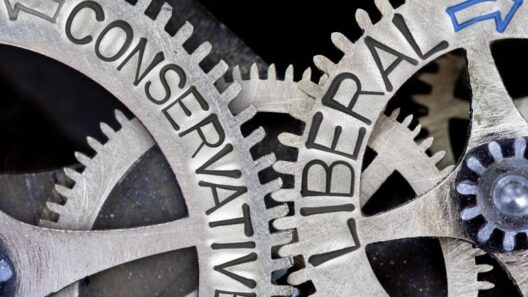
Interestingly, the debate about the validity of climate science extends even into the realm of political ideology. Political affiliations heavily influence personal beliefs regarding global warming, where individuals align their perspectives with their party’s stance. In many instances, climate change becomes a proxy battle in the broader political discourse, complicating constructive dialogue. Those associated with liberal ideologies are more likely to view climate change as a critical issue, while conservatives may adopt a more skeptical view, influenced by party lines. This polarization stifles the possibility of unified action, creating an impediment to necessary policy changes.
Another noteworthy factor is the role of education. Populations with higher levels of education tend to demonstrate a greater understanding and acceptance of climate science. Education fosters critical thinking and awareness, enabling individuals to discern reputable scientific claims from sensationalized statements. This correlation underscores the importance of comprehensive climate education in academic institutions and public forums. Moreover, as educational attainment rises, so too does an individual’s potential to engage constructively in discussions regarding climate policy and individual actions that can mitigate global warming.
Connecting the dots between beliefs and possible solutions leads us to a critical juncture: what can individuals do? Acknowledging that while belief systems are deeply entrenched, they can evolve. Small actions taken collectively can culminate in substantial change. Encouraging dialogue across partisan lines, promoting environmental education, and fostering community-based initiatives can help shift perceptions out of ambivalence or skepticism and into proactive engagement. Every effort contributes to a larger narrative aimed at galvanizing commitment to safeguard the planet.
In conclusion, understanding the diverse opinions on global warming reveals not just a chasm of beliefs but also a landscape ripe for transformative change. While skeptics and advocates may clash, the ambivalent group offers pathways for progress. By comprehensively addressing the barriers tied to geographical, educational, and political influences, we can cultivate a broad coalition united in the common goal of climate action. Whether through incremental changes in personal habits or collective advocacy for sound policies, everyone can play a role in forging a sustainable future.