
Acid rain, a term that evokes images of environmental catastrophes, represents a significant yet often underestimated challenge within the ecological framework of Germany. While many may perceive it as merely a meteorological phenomenon, its ramifications extend far beyond the deluge itself. Here are five critical facts about acid rain in Germany and its profound environmental impacts.
1. The Origins of Acid Rain
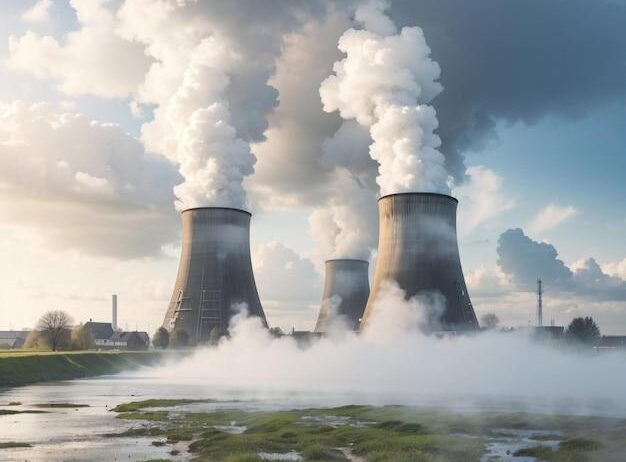
Acid rain primarily results from the emission of sulfur dioxide (SO2) and nitrogen oxides (NOx), which undergo chemical transformations in the atmosphere. In Germany, industrialization since the 19th century has played a pivotal role in elevating these emissions. Germany’s robust manufacturing sector, particularly in coal-dependent energy production, has been a leading contributor. Effluents from vehicles, factories, and power plants interact with moisture in the atmosphere, forming sulfuric and nitric acids.
This phenomenon illustrates a troubling cycle; as emissions burgeon, so too does the resultant acid rain. Awareness of these origins compels us to scrutinize current industrial practices and champion innovations that mitigate their effects.
2. Effects on Forest Ecosystems
The lush woodlands of Germany, emblematic of its natural heritage, face a dire threat from acid rain. The precipitation alters the soil chemistry, depleting essential nutrients such as calcium and magnesium. As nutrient levels plummet, trees become increasingly vulnerable to diseases, pests, and extreme weather.
Moreover, the foliage’s ability to photosynthesize diminishes—a critical process for carbon sequestration. Declining forest health not only affects biodiversity but also contributes to broader climatic changes. Addressing these impacts requires a multi-faceted approach, encompassing sustainable forestry practices and restoration initiatives aimed at reinvigorating these vital ecosystems.
3. Water Quality Degradation
Acid rain significantly impacts the water bodies across Germany, leading to ecological imbalances. Lakes and rivers become more acidic, harming aquatic life forms sensitive to pH changes. Fish populations, particularly species such as salmon and trout, demonstrate alarming declines due to the inhospitable conditions created by acidification.
Furthermore, the alteration of aquatic ecosystems disrupts food chains and diminishes biodiversity. The confluence of industrial runoff and acid rain exacerbates this predicament, resulting in a bleak future for Germany’s waterways. Mitigating these effects hinges on stringent regulatory frameworks to control emissions and innovative approaches to clean water technologies.
4. Economic Ramifications
The repercussions of acid rain ripple through various sectors of the economy. An ailing natural environment adversely affects agriculture, forestry, and tourism—core components of Germany’s economic framework. Yield declines in crops sensitive to soil and water acidity elevate production costs. Additionally, the forestry industry faces increased expenditures related to disease control and regeneration efforts.
Tourism, often reliant on pristine landscapes and scenic beauty, can also suffer as ecosystems degrade. The economic implications, thus, extend beyond immediate environmental damage, affecting livelihoods and regional economies. As such, recognizing and addressing the economic stakes entailed in acid rain is crucial for fostering community resilience and sustainability.
5. Legislative and Community Response
Germany has embarked on a comprehensive strategy to combat the menace of acid rain. Legislative measures, such as the Clean Air Act, have been instrumental in curtailing emissions. By mandating reductions in SO2 and NOx emissions from industries and transportation, Germany has taken a proactive stance against air pollution.
In conjunction with national regulations, local communities have begun implementing grassroots initiatives aimed at environmental stewardship. Educational programs about the causes and consequences of acid rain have empowered citizens to advocate for cleaner practices. Innovative technologies, including the adoption of renewable energy sources like wind and solar, further signal a commitment to long-term ecological health.
In this climate of awareness and urgency, it becomes evident that the struggle against acid rain transcends the simple need for policy compliance. It necessitates a cultural shift toward sustainability, where every individual understanding their role can drive meaningful change.
As Germany grapples with the multifaceted challenges posed by acid rain, these five facts illuminate the intertwined relationship between human activity and environmental health. Recognizing the interdependencies of our ecosystems, economies, and legislative frameworks marks the first step toward a collective commitment to safeguarding the environment. Fostering a dialogue on acid rain not only cultivates awareness but encourages proactive measures—an essential pivot toward resilience and sustainability for generations to come.