


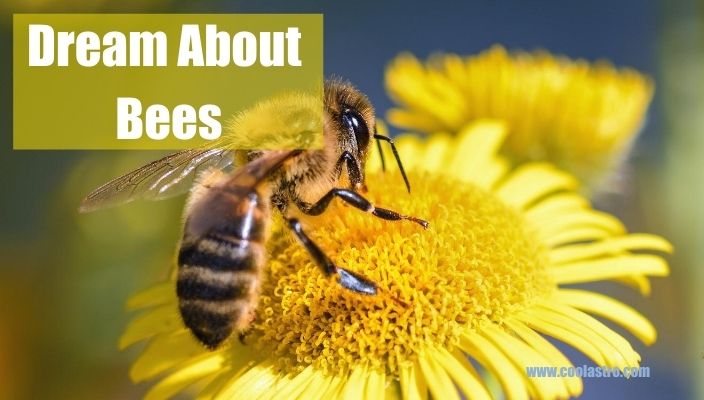

In the intricate tapestry of nature, few creatures evoke as profound a sense of wonder as bees. In their myriad forms, these industrious insects are not merely pollinators, but harbingers of deeper meaning steeped in mythology, symbolism, and environmental consciousness. When considering the intersection of bees and the hollows they occupy—whether in tree bark, urban gardens, or hidden caverns—a vivid narrative unfolds that beckons exploration. This article delves into the multifaceted existence of bees in these secluded spaces, unveiling both their ecological importance and the rich symbolism they encapsulate.
From ancient times, bees have held a prominent place in human mythology. They symbolize diligence, community, and fertility, frequently appearing in various cultural narratives. The Egyptians revered bees as sacred; their honey was often seen as a gift from the gods. Similarly, in ancient Greece, bees were associated with Artemis, the goddess of fertility and wildlife. The mystique surrounding bees transcends time, suggesting that to understand their presence in nature is to glimpse the fabric of existence itself.
However, the narrative of bees is not solely woven into mythology. It is also grounded in practicality. Within the hollows of trees and the cracks of urban landscapes, bees play an integral role in maintaining biodiversity. Their pollination activities are vital for the reproduction of many plants, including fruits, flowers, and vegetables. This symbiotic relationship highlights an essential truth of our ecosystems: the interdependency of species. The delicate dance of bees collecting nectar while inadvertently transferring pollen is a testament to nature’s intricate design.
Yet, the alarming decline in bee populations across the globe cannot be overlooked. Factors such as habitat loss, pesticide use, and climate change have placed these pollinators at risk. The very hollows that provide them refuge are under threat from human encroachment and environmental degradation. As stewards of the planet, it becomes paramount to shift our perspective, recognizing that our actions ripple through the delicate webs of life. An investment in bee conservation is, indeed, an investment in our future and the health of our ecosystems.
Exploring the literal and metaphorical hollows in which bees reside offers a wealth of interpretations. These hollows, representing both physical spaces and emotional niches, can be seen as havens of creativity and innovation. Just as bees transform nectar into honey, our own experiences within these spaces can yield something beautiful and nourishing. The hollows symbolize the journey of transformation—the potential of what can emerge when we tend to our own inner gardens.
Furthermore, the communal structure of bee colonies serves as an inspiring model for human societies. Within the hive, each bee has a designated role, from the industrious workers to the queen herself. This organization inspires reflections on leadership, cooperation, and the strength of community. The hive’s harmony suggests that collective well-being is paramount and that each individual contributes uniquely to the common good. In a world often marked by individualism, the bee’s community-oriented approach challenges us to rethink our connections with one another and the natural environment.
As we continue to navigate through life, it’s worth considering how the bee’s existence in the hollows parallels our own experiences. The practices of mindfulness and quiet contemplation found in these serene spaces can foster personal growth and insight. Just as bees pause momentarily on flowers to sip nectar, we too must learn to embrace moments of stillness. These pauses allow us to savor life’s sweetness and perhaps gain clarity on our purposes.
The story of bees in the hollows extends to the broader themes of regeneration and resilience. In the aftermath of environmental turmoil, nature frequently demonstrates a remarkable capacity to regenerate. Bees, having evolved over millions of years, are a testament to adaptability. Their survival strategies remind us that challenges can be met with innovative solutions. For individuals and communities confronting their own trials, the tenacity of bees encourages resilience. They teach us to persevere, to look for opportunities even amidst adversity.
Moreover, the act of observing bees can cultivate a sense of curiosity—a catalyst for deeper ecological engagement. Consider spending time in gardens, parks, or forests where bees thrive. Observe their interactions with flowers, their buzzing symphony, and their seemingly effortless work. This engagement paves the way for a greater appreciation of the complexity surrounding us. Curiosity, in turn, fosters advocacy. When we understand the indispensable role bees play within our ecosystems, we are more likely to take action to protect them.
Ultimately, the meaning of “all the bees in the hollows” embodies a multifaceted worldview that interconnects the essence of life, community solidarity, and the pursuit of knowledge. It invites us to explore the intersections of our existence with nature’s marvels, prompting questions that lead to greater awareness of our interdependence. As we ponder the stories inscribed in the dances of bees, we are beckoned to embrace our roles as caretakers of this planet—honoring the hollows they inhabit, their irreplaceable contributions, and the lessons their lives impart.
In conclusion, the narrative of bees transcends mere observation; it beckons us to reflect on our place within the natural world. Their presence in hollows invites a transformative lens through which to view ourselves and our responsibilities. Just as bees have the remarkable ability to cultivate sweetness from the flowers of life, we too can nurture a more harmonious relationship with our environment, ensuring that the story of bees, and the ecosystems they support, continues to flourish.