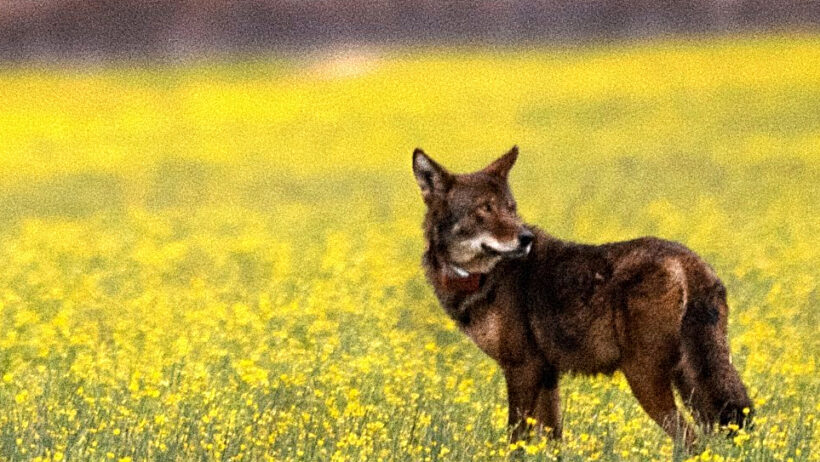

The Alligator River National Wildlife Refuge, located in North Carolina, is a haven for biodiversity and a crucial habitat for many endangered species, but it stands out for a specific reason: its role as a sanctuary for the critically endangered red wolf. As the only wild population of red wolves in existence, they are emblematic of the conservation challenges faced both at the local and national levels. What does the future hold for this remarkable species, and what challenges lie ahead for their survival?
Historically, red wolves roamed across the southeastern United States, but due to extensive habitat loss, hunting, and hybridization with coyotes, their numbers dwindled perilously. In 1980, when they were declared extinct in the wild, a concerted effort began to prevent their total disappearance. Conservation programs were established, focusing on captive breeding and eventual reintroduction into the wild. By the 2000s, the reintroduction of red wolves was deemed a success, with over 100 individuals established in the Alligator River region. However, the journey was far from over.
The plight of the red wolf is indicative of broader ecological issues, including habitat fragmentation and climate change. As climate patterns shift, so too does the wildlife that relies on specific ecosystems. Species that once thrived in certain conditions may not adapt swiftly enough to survive in newly altered environments. The challenge isn’t solely about numbers—it’s about ensuring that both the environment and the wolves themselves can coexist in a rapidly changing world.
One of the most pressing dilemmas surrounding red wolf conservation is the delicate balance between human interests and wildlife preservation. Local communities might view these wolves through a lens of fear, associating them with livestock predation and potential threats to pets. The perceived conflict of interest fosters a narrative that may undermine conservation efforts. How can we help communities see that red wolves can be allies in maintaining a diverse ecosystem, rather than threats?
Efforts are underway to educate the public about the ecological importance of red wolves. As apex predators, they play a significant role in managing the populations of herbivores, which in turn helps plants and the overall health of the ecosystem flourish. The Alligator River refuge management has implemented various outreach programs highlighting the benefits of coexistence, promoting understanding and respect for these wolves’ ecological roles. The challenge remains multifaceted: fostering community engagement while addressing the legitimate concerns of residents.
The introduction of a monitoring program for the red wolves is another crucial step in their conservation journey. By employing radio collar technology, researchers can track the wolves’ movements and behaviors, acquiring vital data to better understand their needs and adjust habitats accordingly. This technological intervention allows for real-time reactions to threats, be it from poaching, vehicle collisions, or human-wildlife conflicts, ultimately enhancing their chances of survival.
Nonetheless, challenges proliferate. Evidence suggests that the red wolf population in the refuge is not steadily increasing as hoped. In recent years, various ecological pressures, such as habitat degradation and increased coyote populations, have led to competition for resources. Moreover, the complexity of human interactions remains a significant roadblock. In a society that often prioritizes development and expansion, how will before allow this imperiled species to reclaim its rightful place in the ecosystem?
The recovery of red wolves hinges upon comprehensive policies that address both wildlife preservation and community needs. Federal and state agencies need to implement conservation strategies that are responsive to local communities. This involves establishing compensation programs for livestock losses attributed to red wolves, creating buffer zones that limit wolf traffic near human habitation, and actively encouraging coexistence. When communities feel secure and informed, they are far more likely to support conservation efforts than when they feel threatened.
As the red wolf population hovers at alarming lows, the involvement of grassroots movements cannot be understated. Local activists, conservation organizations, and concerned citizens can amplify the voices of these silent ambassadors of biodiversity. Rallies, social media campaigns, and community events can serve as platforms for awareness, mobilizing a collective effort to support red wolf conservation. Through education and advocacy, individuals can champion the cause, urging policymakers to prioritize ecological integrity over development pressures.
The narrative surrounding the red wolves in the Alligator River National Wildlife Refuge reflects larger themes in conservation. It encapsulates the struggles of an entire ecosystem in a world increasingly dominated by human expansion. Thus, it invites a profound question: how can we redefine our relationship with nature? Recognizing that the fate of the red wolves is intertwined with our actions offers a glimpse of hope. Every effort to safeguard their habitat and promote coexistence can pave the way for a more sustainable relationship between humanity and wildlife.
In conclusion, the status of the red wolves in the Alligator River National Wildlife Refuge serves as a poignant reminder of the ongoing challenge of conservation. This unique species embodies the complexities of ecosystem relationships, the impact of human encroachment, and the vital importance of collective action. As the wolves navigate their future, the onus is upon us to mitigate their predicaments, recognizing that their survival is a mirror reflecting our own commitment to preserving the rich tapestry of life on Earth.