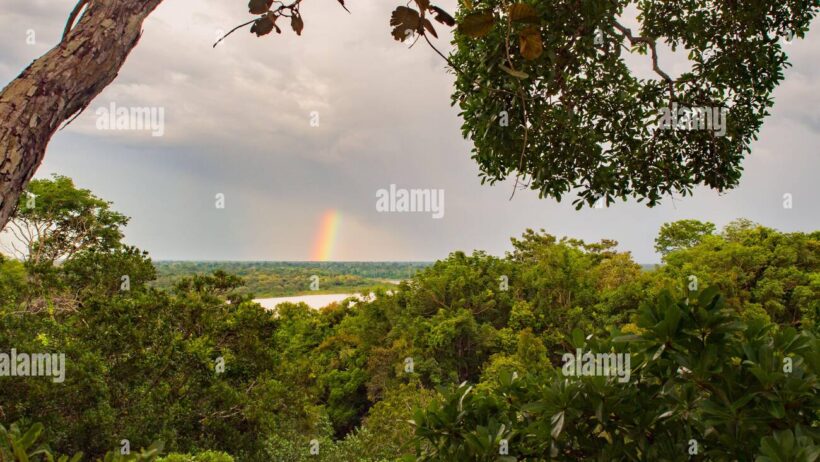

Imagine walking through a lush, verdant realm where the air is alive with the hum of exotic wildlife and the scent of damp earth mingles with the sweet aroma of blooming flora. This fantastical ecosystem, known as the Amazon rainforest, emerges not merely as a geographical expanse but as an invaluable bastion of life on Earth. So, why is this magnificent rainforest often referred to as “the lungs of the world”? Let’s embark on an exploration that unveils the profound significance of the Amazon and the challenges it faces.
The moniker “lungs of the world” stems from the Amazon’s unparalleled ability to produce oxygen through the process of photosynthesis. Trees and plants in the rainforest absorb carbon dioxide, a greenhouse gas, and expel oxygen—essential for the survival of innumerable species, including humans. It is estimated that the Amazon rainforest produces about 20% of the world’s oxygen. This remarkable output positions it as a crucial player in the planet’s biosphere. However, can we truly grasp the extent of this contribution when vast areas are threatened by deforestation and climate change?
The Amazon rainforest spans across several countries—primarily Brazil, Peru, and Colombia, covering over 5.5 million square kilometers. Within this astonishing expanse lies a remarkable diversity of flora and fauna. Scientists have cataloged approximately 40,000 plant species, 2.5 million insect species, and an astounding 2,200 species of birds and mammals. Each organism, from the tiniest ant to the mightiest jaguar, plays a vital role in sustaining the delicate equilibrium of its ecosystem.
But the question arises: what happens to this equilibrium when the forest is imperiled? Deforestation rates in the Amazon reveal a staggering truth. Over the past few decades, agricultural expansion, logging, and infrastructure development have led to the loss of significant portions of the rainforest. In 2020 alone, nearly 11,000 square kilometers were cleared. This rampant destruction not only diminishes the oxygen production capabilities of the area but also disrupts carbon storage, leading to increased atmospheric carbon levels and exacerbating the global climate crisis.
The Amazon serves as a carbon sink, sequestering carbon dioxide that would otherwise contribute to a warming climate. When trees are felled or burned, not only is their carbon-storing capacity negated, but the carbon stored within the trees is released back into the atmosphere. This vicious cycle poses a direct challenge to global efforts to mitigate climate change. As carbon levels rise, so does the urgency for comprehensive strategies that protect and restore this critical ecosystem.
Moreover, the Amazon rainforest acts as a crucial water regulator. Through a process known as transpiration, trees release water vapor into the atmosphere, contributing to local and regional rainfall. This cycle is vital not just for the rainforest itself but also for agriculture and water supply in the surrounding areas. Disruption of the rainforest’s ability to manage this water cycle can lead to severe droughts and altered rainfall patterns, which have far-reaching implications not only for South America but for the entire planet.
Yet, in the face of these challenges, the potential of the Amazon does not rest solely on preservation. There is a burgeoning conversation around sustainable development. How can we harness the resources of this majestic place in a way that respects its intrinsic value and role in global ecology? Indigenous communities have long practiced sustainable land management and possess a wealth of knowledge about the biodiversity of the Amazon. Engaging these communities in conservation efforts is not only equitable but essential. Their unique relationship with the land offers insights that are crucial to maintaining ecological balance.
With a deeper understanding of the Amazon’s role as the lungs of the world, an undeniable reality emerges: the responsibility to protect it transcends national borders. Global cooperation is imperative. Initiatives such as reforestation projects, international agreements on deforestation, and eco-tourism can empower action toward revitalizing the rainforest and preserving its diverse ecosystems.
So, how can individuals contribute to the preservation of this vital resource? Small changes in lifestyle—such as supporting sustainable products, participating in conservation efforts, and raising awareness about the importance of biodiversity—can collectively make a significant impact. A conscious consumer’s decision to choose sustainable options can help lessen the demand that drives deforestation.
As we explore the unfolding narrative of the Amazon rainforest and consider its title as the lungs of the world, we are confronted not just with the wonders of nature but with a profound challenge. If the heartbeat of our planet continues to be imperiled, what legacy do we leave behind? The motivations to act are clear, the impacts undeniable. Ultimately, the fate of the Amazon—a true global treasure—rests in our collective hands.
In conclusion, the Amazon rainforest embodies much more than an ecological phenomenon; it is a critical ally in the battle for planetary health. By recognizing its profound significance, the challenge becomes not merely about conservation, but about fostering a harmonious relationship with our environment. The Amazon stands as a testament to the interconnectedness of life—a reminder that as we protect the lungs of the world, we are, in essence, safeguarding our own future.