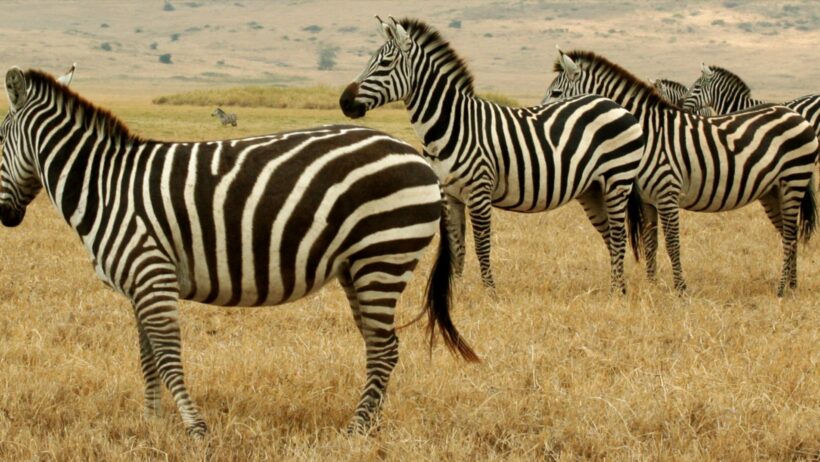

The harsh expanse of semi-arid desert ecosystems offers a unique vista brimming with striking landscapes and resilient wildlife. One might ponder: how do animals thrive in such an unforgiving environment where scant rainfall and relentless heat reign supreme? This question underscores a compelling narrative of adaptation and survival.
As the sun hovers relentlessly above, temperatures can soar, transforming life in semi-arid regions into a veritable battleground for survival. Yet, in this eloquent dance between life and desolation, many species have emerged as paragons of adaptation. Their survival strategies are not mere happenstance; they are evolutionary masterpieces honed over countless generations.
Among the most recognizable inhabitants of these ecosystems are the desert reptiles. Take, for instance, the iconic horned lizard (Phrynosoma). This creature epitomizes ecological ingenuity. With its flattened body and formidable array of spiny protrusions, it can effectively camouflage itself against the sandy terrain, evading potential predators. Through a phenomenon known as aposematism, the horned lizard also employs its ability to alter coloration, making it a formidable phantom of the desert. Semantics aside, what truly distinguishes the horned lizard is its remarkable adaptation to aridity — it rarely drinks water, deriving hydration instead from the insects it devours. Such remarkable adaptations compel us to re-evaluate our understanding of life’s tenacity under challenging circumstances.
Moving from reptiles to mammals, one encounters the ephemeral beauty of the fennec fox (Vulpes zerda), a quintessential inhabitant of the Sahara Desert’s semi-arid regions. With its oversized ears and delicate frame, the fennec fox is more than just a cute anomaly; it serves a pivotal function in the ecosystem. Those large ears, far from being mere adornments, are adept at dissipating heat, thereby regulating its body temperature in incredibly hot conditions. Additionally, the fennec maintains a nocturnal lifestyle, avoiding the daytime scorch while hunting for small rodents and insects under the cloak of darkness. Remarkably, these cunning canids have adapted to a diet that relies on minimal water; their bodies have evolved to conserve moisture, extracting it almost hermetically from their prey.
Birds, too, have adapted to the austere demands of semi-arid biomes. The burrowing owl (Athene cunicularia) serves as a splendid example. This small owl thrives in open, arid habitats, creating ingenious burrows that protect it from the scorching sun during the day and serve as a refuge against potential predators. Burrowing owls are not just passive dwellers; they exhibit a fascinating behavior of covering their burrows with plant debris, providing an additional layer of insulation from the fluctuating desert temperatures. The duality of their agricultural tendencies fosters a balanced ecosystem, as they prey on local rodents and insects while enhancing soil quality through their burrowing activities.
The arid climate presents peculiar challenges, not only for animals but also for the flora that supports them. Cacti, for instance, have transcended their botanical limitations through a myriad of adaptations. Their thick, waxy skins minimize water loss, and their spines deter herbivores. Such evolutionary strategies are essential, as the availability of water is often an ephemeral blessing in these ecosystems, subject to the whims of seasonal rains. Interestingly, the relationship between these plants and animals is symbiotic; as animals forage on the cacti, they inadvertently aid in seed dispersal, fostering the growth of new plants and maintaining the ecological balance.
In contemplating survival, one must also acknowledge the role of behavioral adaptations. The kangaroo rat (Dipodomys) is an emblem of hyper-adaptability in arid regions. These creatures have evolved to possess extraordinarily efficient kidneys that minimize water loss through urine excretion. They are astute foragers, usually active during the cool darkness of night, thus sidestepping the oppressive heat of the day. Their agility and reproductive prowess ensure that even in times of drought, they can endure and proliferate.
Yet, as life embeds itself in the intricate tapestry of the desert, a looming challenge remains. Climate change poses threats that are exacerbating the already arduous conditions of semi-arid ecosystems. Altered precipitation patterns, rising temperatures, and increased frequency of extreme weather events disrupt the delicate balance of these systems. Many species are faced with dwindling habitats, forcing them to adapt rapidly or face extinction. The specter of habitat loss looms, reminiscent of a time when vast stretches of biodiversity thrived in synchrony with their environment but now risk becoming mere fragments of history.
Ultimately, what can we learn from the indefatigable spirits of these desert dwellers? Their adaptations not only reflect survival but also the intricate interdependencies that define ecosystems. Each creature, whether reptilian, mammalian, or avian, plays a pivotal role, echoing the age-old truth that all life is interconnected. As we stand on the precipice of environmental transformation, it is incumbent upon us to cherish and protect these ecosystems, drawing inspiration from the resilience demonstrated by their inhabitants. Acknowledging this sense of interconnectedness may be our best chance to preserve the future of life in semi-arid deserts, ensuring that the narrative of adaptation continues to unfold for generations to come.