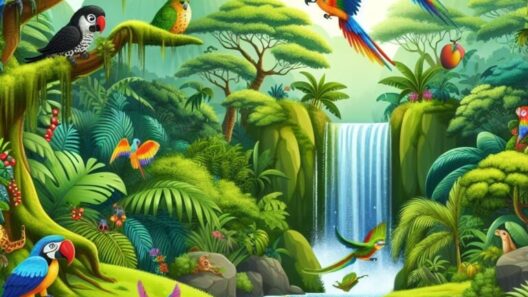

The Southeast Asian rainforest, an ecological marvel, is a vibrant tapestry woven with biodiversity that teems with life. This realm is not merely a backdrop; it is a crucial participant in the Earth’s systems. As the lungs of our planet, these verdant expanses breathe in carbon dioxide and exhale the oxygen we depend on. Within this lush habitat, a plethora of unique animals contribute to an intricate web of life, each playing a vital role. Understanding these creatures can transform your perception of the natural world and prompt a profound appreciation for conservation efforts.
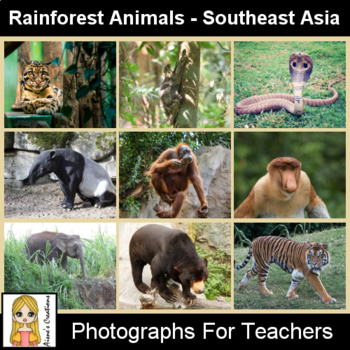
One of the most astonishing animals inhabiting this vibrant ecosystem is the **Sun Bear**. The smallest of the bear species, Sun Bears are often overshadowed by their larger relatives. Their glossy black fur, complemented by a distinctive orange to cream-colored crescent mark on their chest, is not just for aesthetic appeal; it serves as a form of communication with others. These nocturnal foragers exhibit an omnivorous diet that includes fruits, insects, and honey. However, their existence is threatened by habitat destruction and poaching, making them emblematic of the dangers facing countless species in the region.
Just a stone’s throw away from the Sun Bear, you might encounter the elusive **Tapir**. This peculiar creature, resembling a cross between an elephant and a pig, sports a distinctive snout that extends like a flexible proboscis. Tapirs are herbivores, feeding primarily on leaves, fruits, and aquatic plants. They are primarily nocturnal, adept at navigating their dense environment. However, their populations are dwindling due to deforestation and hunting. Observing a Tapir in the wild is a rare privilege; it reminds us of the fragile beauty we stand to lose.
From the underbrush emerges the staggering **Asian Elephant**, the largest land mammal in Asia. These gentle giants are known for their intelligence, deep social bonds, and complex behaviors. A matriarchal society defines their structure, where older females lead herds, teaching younger elephants essential survival skills. However, habitat encroachment and human-elephant conflict pose significant threats. The plight of the Asian Elephant is a poignant reminder of the interconnectedness of wildlife and human societies. Protecting their habitats protects our future as well.
Diving into the treetops, the **Orangutan** thrives in the canopies of Southeast Asian rainforests. These remarkable primates are known for their indomitable curiosity and problem-solving skills. With their striking auburn hair, Orangutans showcase an unmistakable physical presence. They are arboreal, spending most of their lives among the branches, where they build nests and forage for fruit. The spectacular Orangutan is threatened primarily due to deforestation for palm oil plantations. By supporting sustainable practices, we can help safeguard their future.
Equally captivating, the **Proboscis Monkey** flaunts an exaggerated nose that serves multiple purposes—from attracting mates to aiding in vocalizations. This primate species resides along the dense mangrove and riverine forests of Borneo. Their unique social structure is matriarchal and often involves group behaviors that are both fascinating and complex. Like many other species in this region, the Proboscis Monkey faces threats from habitat loss and hunting. Protecting their natural habitats is crucial, as every loss affects the delicate balance of the ecosystem.
As we delve deeper into the biodiversity of these forests, we discover the resplendent **King Cobra**, a creature that commands both fear and respect. The world’s longest venomous snake, it can reach lengths of up to 18 feet. With its hood spread wide, this serpent is a striking symbol of the power and beauty of nature. The King Cobra is an apex predator, primarily hunting other snakes. Unfortunately, its populations are under threat due to habitat destruction and the illegal wildlife trade. Protecting the King Cobra is essential to maintaining the health of its ecosystem.
Under the surface of tranquil waters, the **Malayan Flying Fox**, a species of bat, adds another layer of intrigue to this bio-rich environment. These mammals, notable for their impressive wingspans that can exceed five feet, play a crucial role in pollination and seed dispersal. Found in roosts, often in large colonies hanging from trees, their presence indicates a stable ecosystem. However, habitat destruction, human encroachment, and hunting have severely impacted their numbers. Conservation efforts are critical to ensure these magnificent creatures continue to thrive.
Lastly, one cannot overlook the **Asian Palm Civet**, a nocturnal mammal often found in coffee plantations and tropical forests. With its distinctively elongated body and masked face, this animal is an essential player in seed dispersal, thus contributing to the floral diversity of the forest. The African palm civet’s feces contain coffee beans that contribute to a unique coffee type known as kopi luwak, a highly sought-after delicacy. However, the demand for this coffee has led to large-scale capturing of civets in stressful conditions, so advocating for ethical sourcing is vital.
In concluding this exploration of animals in the Southeast Asian rainforest, it becomes evident that each species presents an unparalleled aspect of the ecosystem. Understanding these animals illuminates the interconnectedness of life and the impact of human actions on their survival. The challenges are immense; however, by amplifying our awareness and igniting our curiosity, we can pave the way toward more sustainable practices and ensure the longevity of these majestic creatures. Awareness is the first step toward action, and our commitment to protecting these environments is essential for preserving the rich tapestry of life that defines the Southeast Asian rainforest.