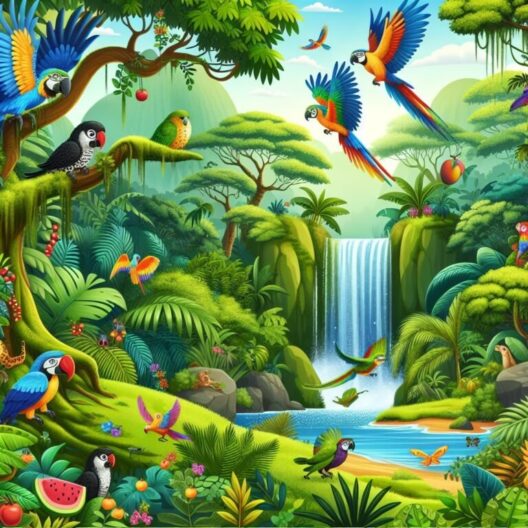

The rainforest, a verdant expanse teeming with life, captivates our imagination in myriad ways. Its dense foliage and vibrant ecosystem nurture a plethora of species, many of which play critical roles in maintaining the intricate balance of their environment. However, as we delve into the heart of these biodiverse jungles, a somber reality emerges: many animals within the rainforest are on the precipice of extinction. This article serves as a conservation guide to spotlight endangered species and underline the urgency of their protection.
Rainforests, often referred to as the lungs of the Earth, occupy merely 6% of the planet’s surface yet house over half of the world’s terrestrial species. This remarkable density bespeaks a remarkable adaptability among the creatures that inhabit these verdant realms. However, rapid deforestation, climate change, poaching, and habitat fragmentation pose an existential threat to these beings. Understanding the plight of these animals transcends fascination; it beckons a moral imperative to act.
One of the most emblematic species facing endangerment is the **Sumatran orangutan** (Pongo abelii). Found exclusively in the rainforests of Sumatra, this ape is known for its extraordinary intelligence and independence. However, its population has dwindled drastically, largely due to habitat destruction from palm oil plantations. As trees fall, the majestic orange coats of these inhabitants blend less and less into their surroundings, rendering them highly vulnerable. The loss of the Sumatran orangutan reverberates throughout its ecosystem, as it plays a crucial role in seed dispersal, promoting forest regeneration.
Another notable resident, the **Golden toad** (Incilius periglenes), was declared “extinct” after no sightings were recorded for over two decades. Native to the tropical montane forests of Costa Rica, the golden toad became a symbol of biodiversity loss, exemplifying how even the most vibrant creatures can succumb to the ramifications of climate change and habitat destruction. Its disappearance raises profound inquiries into the fragility of ecosystems and the interconnectedness of life.
Perhaps less familiar, yet equally endangered, is the **Harpy eagle** (Harpagornis harpyja). With a wingspan of up to seven feet, this apex predator prowls the canopies of South American rainforests. Its sharp talons and keen eyesight allow it to hunt monkeys and sloths. However, deforestation and hunting have driven this magnificent bird toward the brink of extinction. Conservationists emphasize the need to preserve these eagles, not merely for their grandeur but for their role in regulating the populations of other species within their territory.
The metaphorical and literal underbelly of the rainforest reveals the plight of the **Bornean pygmy elephant** (Elephas maximus borneensis). The world’s smallest elephant subspecies is endemic to Borneo, where habitat loss has decimated its population. These gentle giants symbolize the delicate interdependence of life; they help to shape their environment by keeping the forest’s foliage in balance and dispersing seeds. As their numbers dwindle, the entire forest faces the jeopardy of significant ecological imbalance.
Turning to amphibians, we encounter the **Axolotl** (Ambystoma mexicanum), a species with an almost otherworldly charm. Though more famously associated with freshwater lakes, the axolotl represents broader issues of habitat loss and pollution that affect a multitude of species in rainforest ecosystems. Its ability to regenerate limbs has captured the interest of scientists, making its conservation not only significant from a natural perspective but also from a biological research standpoint.
The multifaceted reasons for conservation extend beyond the realm of individual species; the rainforest is an intricate tapestry of life. It yields infinitely diverse medicinal plants, potential solutions to modern ailments, and cultural significance for indigenous peoples. The **Jaguar** (Panthera onca), a keystone species, exemplifies this paradigm. As the top predator, it maintains the health of its environment by controlling the populations of other species. Endangered by poaching and habitat loss, the decline of the jaguar portends dire consequences for the ecological integrity of the rainforest.
Efforts to conserve these remarkable species necessitate a multifaceted approach. Education and awareness play pivotal roles in fostering conservation efforts. Communities must be engaged, and sustainable practices promoted to emphasize the value of biodiversity. Organizations and governmental bodies should strive to implement policies that safeguard natural habitats while promoting ecotourism, which can provide economic incentives without jeopardizing mother nature.
Yet, beyond policy and awareness, individual responsibility cannot be overstated. As consumers, making informed choices regarding products and supporting sustainable brands can influence market trends and encourage conservation. The power of collective action cannot be underestimated; when individuals rally to protect the rainforest and its inhabitants, momentum builds toward systemic change.
The delicate interplay between fascination and responsibility calls for introspection. Every creature within the rainforest serves its unique purpose, contributing to the grander mosaic of life. The fight against extinction is not merely about saving individual species; it encompasses preserving a world that resonates with complexity and wonder. In acknowledging the fragility of the rainforest, we recognize our part in its story, igniting a passion to ensure that its rich narrative continues for generations to come.
In conclusion, the plight of endangered species within the rainforest serves as a clarion call for action. We hold the power to protect these creatures and their habitats. By fostering an ethos of environmental stewardship, we contribute not only to the survival of these species but also to the health of our planet. The rainforests have much to offer, and their preservation is a shared legacy that we must cherish and protect.