
The tropical rainforest, a verdant realm where biodiversity flourishes, is equally a theater of survival and resilience. Among the multitude of organisms inhabiting this ecosystem, apex predators reign supreme. But what defines an apex predator? How do these formidable hunters maintain the delicate balance of life within the rainforest? As we embark on this exploration, let’s consider a playful question: What could possibly challenge the dominance of these top hunters in their lush sanctuaries?
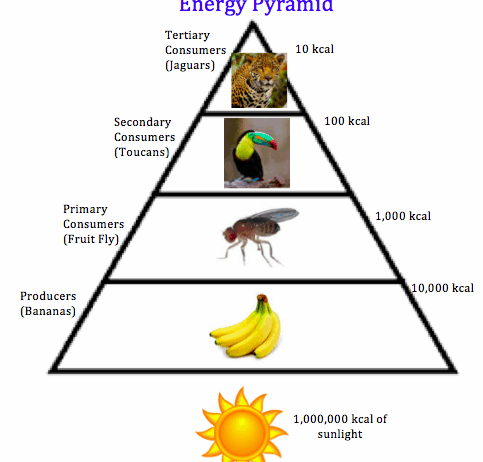
Initially, it’s vital to establish a comprehensive understanding of what an apex predator is. These are not merely the largest or most fearsome creatures; they lack natural predators and play a crucial role in regulating prey populations. Their presence ensures that herbivores do not overgraze, thereby allowing vegetation and habitats to thrive. In the tropical rainforest, apex predators exhibit remarkable adaptations, enabling them to master their domains. Among these are the jaguar, the green anaconda, and the harpy eagle, each a testament to evolutionary prowess.
Let’s turn our gaze first to the jaguar, the quintessential hunter of the rainforest. This muscular feline is renowned for its unparalleled strength and stealth. Jaguars possess a unique style of hunting; they often stalk their prey through dense underbrush before delivering a swift, decisive bite that penetrates through the skull of their victim. Unlike many other big cats, jaguars often create their own water pathways, demonstrating their profound adaptability. Their primary diet consists of a varied fare, including capybaras, peccaries, and even caimans. But what happens when the jaguar’s prey becomes scarce? This poses a pressing challenge for the species, prompting an investigation into their behaviors and survival strategies.
Next in line is the green anaconda, a colossal snake that resides in the swamps and rivers that meander through the rainforest. Weighing up to 550 pounds and stretching as long as 29 feet, it is one of the heaviest snakes in the world. This constrictor employs a different hunting methodology, relying on ambush tactics to subdue its prey. The green anaconda predominantly preys on mammals, birds, and even larger animals like deer or jaguars. Its impressive swimming ability allows it to master the aquatic ecosystems within the rainforest. However, rising water temperatures and habitat destruction present evolving challenges for these serpentine giants.
High above the forest floor, the harpy eagle reigns in the canopies. This bird of prey, with its wingspan reaching nearly seven feet, is equipped with incredible talons that can exert immense pressure. Its primary targets include sloths and monkeys, animals that may seem docile but are crucial to the rainforest’s ecology. The harpy eagle defines precision; it glides effortlessly, surveying its kingdom from high perches. Rest assured, however, that their supremacy doesn’t go uncontested. Against an ever-changing environment, these majestic raptors must navigate their own set of challenges, including deforestation and prey availability.
The interdependence of these apex predators with their environment underscores the intrinsic balance within tropical rainforest ecosystems. They are not merely hunters; they are vital contributors to the ecological narrative. A potential decline in their populations can have cascading effects, leading to overpopulation of herbivores, destruction of plant life, and ultimately a collapse of the habitat they occupy. This begs the question: how do we, as stewards of the planet, combat the anthropogenic threats to these magnificent creatures?
Indeed, human activity poses significant challenges. Deforestation, driven by agricultural expansion, logging, and infrastructure development, threatens the homes of these apex predators. This relentless encroachment disrupts their hunting grounds, leading to increased competition for dwindling food resources. The expansive agricultural fields and urban developments not only sever their connections—human appetites threaten to erase entire species from existence.
As global citizens, we must take proactive steps to curb these destructive practices. Conservation efforts play an indispensable role in safeguarding the habitats of apex predators. Protected areas, wildlife reserves, and initiatives aimed at sustainable land use can mitigate the adverse effects of human activities. Furthermore, fostering an appreciation for these animals through education empowers communities to value wildlife both ecologically and culturally.
Moreover, responsible consumer choices—such as reducing meat consumption, supporting sustainable products, and advocating for eco-friendly practices—can contribute to habitat preservation. By embracing a more harmonious relationship with nature, we can champion the cause of apex predators and ensure their survival for future generations.
In conclusion, the apex predators of the tropical rainforest embody the strength and resilience of nature, standing as guardians of the ecosystems they inhabit. Their survival is inextricably linked to the health of their environments, and by addressing the challenges they face, we can ensure that these majestic beings continue to flourish in their rightful place atop the food chain. The narrative of life in the tropical rainforest is not solely theirs; it is a shared story which requires the active participation of all. Will we rise to the challenge and become the champions of these awe-inspiring creatures, protecting the delicate symphony of life they represent?