

Every holiday season, homes across the globe adorn themselves with vibrant decorations, epitomized by the grand centerpiece: the Christmas tree. For many, this symbolizes warmth, togetherness, and festivity. However, the season’s environmental implications often go unnoticed. Are fake Christmas trees recyclable? This question is more pertinent than ever as sustainability gains prominence on the global agenda. Let us traverse this euphoric yet complex terrain that encompasses the environmental impacts of artificial Christmas trees, the recycling options available, and innovative approaches to enjoy the holidays sustainably.
The Allure of Artificial Trees
Artificial Christmas trees have garnered immense popularity over the years. Their allure lies in their longevity, cost-effectiveness, and the myriad of designs available. They sidestep the hassle associated with natural trees: no need to haul them home, no shedding needles, and often reusable year after year. However, this convenience often masks an inconvenient truth: the environmental toll of these trees is substantial.
A Closer Look at Materials
Most faux trees are constructed from polyvinyl chloride (PVC), a type of plastic that poses genuine ecological concerns. PVC is notoriously difficult to recycle due to its complex composition and chemical additives. This fact alone lionizes the argument against opting for artificial over real trees. They may come without the need for annual replanting, but the production process, transportation, and eventual disposal of these plastic trees spawns an alarming carbon footprint.
Additionally, many artificial trees contain metal components for stability. Steel and aluminum, despite being recyclable, often end up in landfills, forever contributing to the waste crisis. As we delve into the lifespan of a fake tree—usually about 6-10 years—it provokes an unsettling contemplation: is the temporality of joy worth the permanence of plastic waste?
The Recycling Dilemma
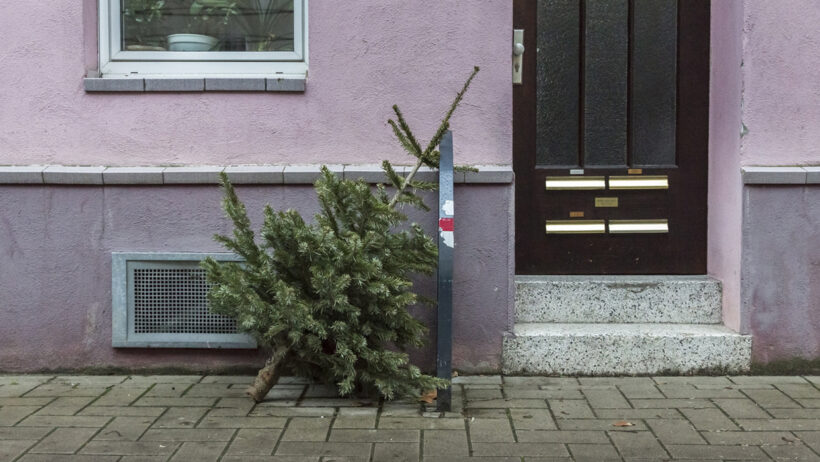
When it comes to recycling fake Christmas trees, the options appear bleak. Traditional recycling facilities are ill-equipped to handle materials such as PVC due to the challenges involved in processing them. Therefore, the reality for many is stark: if your artificial tree has reached the end of its regal life, it risks joining the swath of refuse festering in landfills.
However, this does not herald the absolute end of the road. While conventional recycling may be inaccessible, alternative avenues present themselves. Community organizations and non-profits sometimes run special collection drives for old plastic trees, aiming to repurpose them. Some locales even promote reusing the trees as school or community center decorations. Innovators engage in creative upcycling, transforming artificial trees into unique home décor, art installations, or even playground equipment. The key lies in rethinking the lifecycle of these products.
Retailer Initiatives
Increasingly, retailers acknowledge the environmental burden associated with artificial trees and have begun implementing take-back programs. They encourage customers to return their retired trees during post-holiday periods. These initiatives allow companies to take responsibility for their products, working towards their repurposing or recycling. While such programs are not universal, they reflect a growing awareness of our collective responsibility toward the environment.
Choosing Wisely: Real Trees as an Alternative
As the narrative unfolds, it becomes timely to contrast artificial trees with their natural counterparts. Real Christmas trees may be the lesser evil in the sustainability debate. They are typically grown on tree farms, where new trees are planted to replace those cut down, promoting ongoing carbon absorption. After the festive season, real trees can be recycled into mulch or compost, offering a remarkably circular lifecycle.
Moreover, many municipalities host recycling initiatives where natural trees are collected and transformed into beneficial materials. Watching a disposed tree reincarnate as nutrient-rich mulch for gardens fosters an indelible connection to nature—a much more harmonious conclusion than plastic encased in earth.
Making Conscious Choices
Choosing between fake and real Christmas trees necessitates a thoughtful approach that considers both personal values and environmental impact. If opting for an artificial tree, consider investing in a high-quality one that can last many years. This reduces the demand for new plastic trees and mitigates waste over time. Additionally, ensure you know your options for recycling or upcycling it once it has outlived its functional utility.
On the other hand, if a natural tree aligns more with your ideals, make it a point to buy from local farms. Supporting sustainable practices benefits the economy and reduces your carbon footprint associated with transportation. If you’re feeling ambitious, consider adopting a living tree, which can be planted post-holiday, allowing you to cultivate a lasting memory.
A Shift in Perspective
The annual tradition of setting up a Christmas tree should evoke joy while evoking responsibility toward our planet. As we navigate this festive season, let us challenge our perceptions of what constitutes celebration. Embracing sustainability does not diminish the joy of the holiday; rather, it enhances it. A foundation of awareness encourages a more fulfilling holiday season—one that honors both tradition and nature.
Ultimately, as we ponder whether fake Christmas trees are recyclable, it is paramount to recognize that our choices echo beyond the holiday season. Each decision paints a broader narrative of environmental stewardship, urging us to reflect on how we can coexist harmoniously with the earth while still keeping the spirit of celebration alive and shimmering.