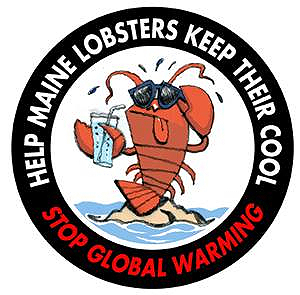

The majestic coastline of Maine, famed for its rugged beauty and bountiful seafood, is perhaps most celebrated for its iconic crustacean: the lobster. Delectable and economically vital, the lobster has become emblematic of Maine’s cultural identity and culinary richness. However, as climate change wreaks havoc on marine ecosystems, the question arises: Are lobsters endangered in Maine? This inquiry delves into the nuances of lobster populations, current fishing regulations, and the ripple effect of environmental shifts on Maine’s fishing industry.
To begin with, it is imperative to understand the status of lobster populations. Contrary to the typical notion of endangerment, the lobster fishery in Maine is not classified as endangered; in fact, it remains robust. The American lobster (Homarus americanus), the species most associated with Maine, boasts a population that has been relatively stable over the past few decades. Fishery managers report that the lobster population in the Gulf of Maine has burgeoned significantly since the 1990s, largely due to enlightened management practices and regulatory measures. The increase can also be attributed to a copious supply of phytoplankton, the primary food for juvenile lobsters, which has thrived in cooler waters.
Nevertheless, the lobster fishery is not devoid of challenges. The specter of climate change looms large, threatening to disrupt the delicate balance of marine ecosystems. As ocean temperatures rise, the lobster’s habitat is being irreversibly altered. Warmer waters are known to harbor pathogens that can decimate lobster populations, as seen with the outbreak of shell disease in recent years. Additionally, changes in salinity and oxygen levels, precipitated by rising temperatures, can cause further stress on lobster health and reproduction. Thus, while the current population is flourishing, the long-term viability of Maine’s lobsters is under scrutiny.
Yet, the narrative does not conclude here. As the demographic of marine species undergoes transformation, lobster fishing regulations have evolved concurrently to ensure sustainable practices. Maine’s Department of Marine Resources (DMR) implements a series of stringent rules designed to protect lobster populations and promote responsible fishing. Notably, the minimum size limit for harvesting lobsters has been rigorously enforced, wherein dealers and fishermen must adhere to specific measurements to ensure that juvenile lobsters are returned to the ocean to mature. This approach ensures an ongoing supply of lobsters, safeguarding the future of the fishery.
Moreover, regulations dictate the use of biodegradable escape vents in lobster traps, allowing undersized lobsters to escape and swim back into their habitat. As the fishing industry grapples with the implications of climate change, Maine’s lobster fishermen are also embracing innovative practices to adapt to shifting ecological conditions. Some fishermen now employ advanced monitoring technologies to track temperature changes and lobster distributions, enabling them to make informed decisions about where and when to fish.
In addition to these regulations, the concept of sustainability permeates the lobster fishing sector in Maine. Several organizations work to certify sustainably caught lobster, culminating in a market-driven approach that aligns consumer preferences with ecological preservation. As more diners request responsibly harvested seafood, fishermen are finding incentives to employ sustainable practices, extinguishing the dichotomy between economic prosperity and environmental responsibility.
As we contemplate the future of Maine’s lobster fishery, the interaction between climate change and fishing practices emerges as a compelling narrative thread. Lobster fishermen are increasingly cognizant of the cyclical relationship between the health of marine ecosystems and their livelihoods. The specter of climate change has spurred dialogues about adaptability and resilience. In light of these changes, the Maine lobster industry is at an inflection point; it must balance the demands of the marketplace with the pressing need to conserve marine resources.
Socioeconomic factors also play a pivotal role in this discussion. The livelihood of thousands of fishermen and their families hinges on the prosperity of the lobster industry. Consequently, economic stability must be factored into any predator-prey dynamic. The interconnected web of marine life cannot be untangled from human dependence on these resources. As regulations evolve to incorporate both ecological science and socioeconomic realities, the future of Maine lobsters will embolden commerce while safeguarding ecological integrity.
Ultimately, while the current projection suggests that lobsters are not endangered in Maine, the horizon is not devoid of complications. The influence of climate change, the evolving fishing regulations, and shifting market dynamics present an intricate landscape that requires continued ingenuity and adaptability from fishery stakeholders. The lobster’s fate hangs in a delicate balance, serving as a potent symbol of both the triumphs and tribulations that define Maine’s coastal heritage.
As we gaze into the future, the case of Maine’s lobsters serves as a call to action. It underscores the importance of informed consumer choices, diligent management practices, and ongoing scientific research to ensure that this culinary treasure continues to thrive. Awareness and proactive measures will determine whether Maine’s lobsters endure or succumb to the pressures of a changing world. In this interconnected tale of crustaceans, climate action, and community resilience, one can find hope for sustainable coexistence in the face of adversity.