
Introduction
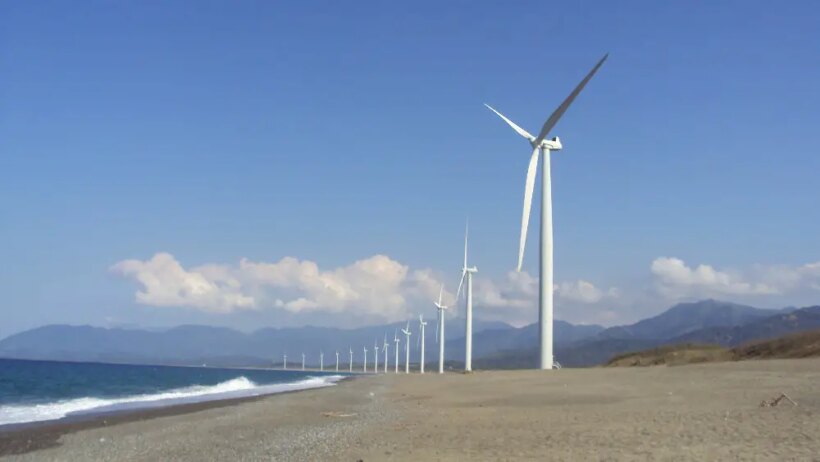
Wind energy has emerged as a beacon of hope in the search for sustainable and renewable energy sources. While this form of energy harnessing is celebrated for its potential to mitigate climate change, promote energy independence, and reduce reliance on fossil fuels, it’s essential to approach it with a discerning eye. The journey of wind energy is not purely a tale of triumph; it is also dotted with obstacles that merit our consideration. Have you ever pondered how the gentle breeze could hold both promise and peril?
The Benefits of Wind Energy
Exploring the benefits of wind energy lays bare the compelling reasons behind its burgeoning popularity. First and foremost, wind energy is a renewable resource. Unlike fossil fuels, which are finite and depleting at a terrifying pace, wind can be harnessed as long as the planet spins. This inexhaustibility renders it an appealing option in the face of burgeoning global energy demands.
Moreover, the ecological impact of wind energy is significantly less detrimental compared to conventional energy sources. Wind farms emit no greenhouse gases during operation, providing a cleaner air solution that can dramatically reduce carbon footprints. Transitioning to wind energy aligns with global efforts to combat climate change and preserve biodiversity. It presents an avenue for countries to decouple economic growth from carbon emissions, facilitating a transition toward more sustainable practices.
In addition, wind energy can usher in job creation. The wind sector, from manufacturing to installation and maintenance, has seen an impressive uptick in employment opportunities. This not only contributes to economic growth but also fosters innovation in technology and engineering. Betwixt traditional sectors facing decline due to automation, wind energy captures the imagination as a domain ripe for human ingenuity.
Furthermore, establishing wind farms can lead to localized energy independence. By generating power on a regional scale, communities can reduce their vulnerability to external energy shocks, stabilize energy prices, and bolster local economies. This contributes to a more secure energy future, where areas are equipped to face the whims of global market dynamics.
The Drawbacks of Wind Energy
Moreover, the installation of wind farms can lead to contentious debates surrounding land use and aesthetics. Wind turbines are not universally welcomed; their presence can disrupt local landscapes and can be particularly polarizing. In some communities, pristine views may be marred by towering structures, leading to opposition from residents who prioritize visual aesthetics over the promise of renewable energy.
Another noteworthy drawback lies in the potential impact on wildlife. Birds and bats, for instance, are at risk of colliding with turbine blades. While modern technology has sought ways to mitigate these incidents, concerns persist about the ecological implications of wind energy farms placed in migratory paths or sensitive habitats. Striking a balance between energy needs and wildlife protection poses a complex challenge.
Additionally, the construction of wind farms can have repercussions on local environments, including soil erosion and disruption of existing ecosystems. Developers must conduct thorough impact assessments to minimize such disturbances. Adequate mitigation measures should be instilled to leave the environment local community in a better state than before development commenced.
The Economic Perspective
Interestingly, advancements in technology have birthed larger and more efficient turbines, paving the way for higher energy output and improved cost-effectiveness. This leads to an intriguing paradox: a constantly evolving technology can both alleviate past drawbacks while simultaneously introducing new ones. The cycle of innovation and its repercussions on the industry remains a captivating journey to behold.
Conclusions and the Path Ahead
Ultimately, society is at a crossroads, where the winds of change could either propel us towards a brighter, greener future or deliver unforeseen challenges. Will wind energy be the cornerstone of tomorrow’s sustainable solutions? That is a question only time can unravel as we navigate through the delicate balance of progress and preservation.