
The world of poultry farming is undergoing a transformative shift, as innovative solutions emerge to address the nutritional needs of chickens. Among these groundbreaking approaches is the introduction of the Black Soldier Fly (BSF), a remarkable insect that promises not just to enhance the diet of your feathered friends but also to foster sustainable farming practices. This tiny creature, often overlooked, packs a powerful punch in terms of nutritional value and environmental benefits, making it an indispensable ally for chicken owners.
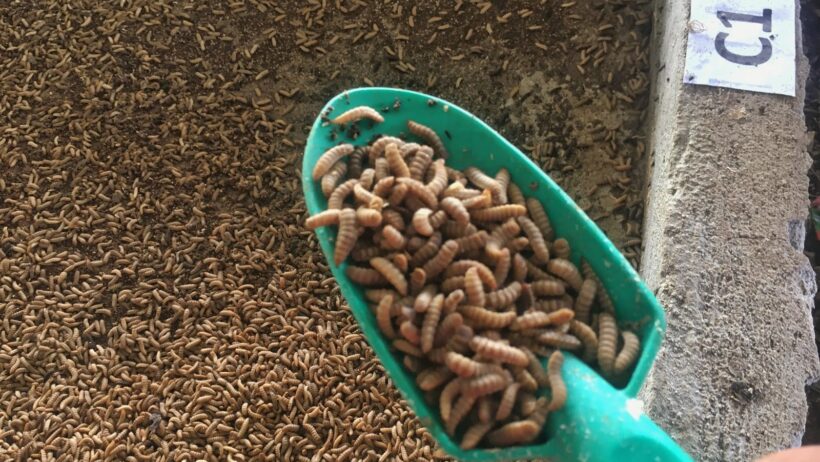
The Black Soldier Fly, scientifically known as Hermetia illucens, has recently gained acclaim in the agricultural sector, particularly for its role in integrated pest management and organic waste recycling. Their larvae, commonly referred to as BSF larvae, are a goldmine of nutrition. When dried and processed, these larvae offer a high protein content—ranging from 30-40%—and are abundant in essential fatty acids, vitamins, and minerals, creating an optimal feed source for chickens of all ages.
One of the most compelling reasons to incorporate BSF larvae into a chicken’s diet is the nutritional superiority they offer. Chickens require a balanced diet rich in protein for optimal growth, egg production, and overall health. The protein derived from BSF larvae is not only digestible but also presents a superior amino acid profile compared to traditional feed sources, such as soybean meal. When chickens consume BSF larvae, they obtain the necessary nutrients to improve their immune response, enhance feather quality, and increase egg production rates.
Moreover, the essential fatty acids found in BSF larvae play a crucial role in maintaining the health of chickens. These larvae are particularly rich in lauric acid, known for its antimicrobial properties. When chickens are fed with BSF, it can lead to healthier gut flora, resulting in better nutrient absorption and enhanced resistance to diseases. Additionally, the higher omega-3 fatty acid content can positively influence egg quality, leading to eggs that are not only more nutritious but also more appealing to consumers seeking healthful options.
Given the pressing need for sustainable agricultural practices, utilizing Black Soldier Flies in chicken farming aligns perfectly with contemporary environmental goals. These larvae can be cultivated on organic waste materials, including food scraps and agricultural by-products. This not only reduces waste but also adds value to materials that would otherwise contribute to landfill overflow. As the larvae consume and break down organic matter, they efficiently convert waste into high-quality protein.
The rearing of BSF larvae requires minimal resources, making it an ideal sustainable practice for small-scale farmers. With limited space, farmers can create a BSF breeding system that requires manageable water inputs and minimal energy expenditure. This system offers an incredible return on investment, as the larvae can multiply rapidly, producing sustainable feed for chickens without the environmental costs associated with conventional feed production.
In addition to nutrition and waste management, integrating BSF into a cohesive farming strategy provides a myriad of other farm uses. One compelling aspect of BSF farming is its potential as a food source for other livestock and aquaculture species. Besides chickens, BSF larvae can serve as a nutritious supplement for pigs, fish, and even pets, creating a multidimensional ecosystem within the farm.
The process of incorporating BSF into a traditional chicken farming setup starts with identifying a breeding and feeding strategy. Farmers can establish a BSF breeding system, where adult flies are housed in a designated area, allowing them to lay eggs. Once hatched, the larvae can be fed on organic waste, which ultimately transforms into nutrient-rich larvae ready for harvest. It is advised to blend the BSF larvae into the chickens’ existing feed gradually, ensuring that the birds adapt to the new diet without distress.
Another innovative approach is the use of BSF in creating high-quality fertilizer. The frass, or by-product of BSF larvae, contains essential nutrients that can enrich the soil. This not only improves crop yields but also enhances soil health, promoting a more sustainable farming ecosystem. By creating a circular system where BSF larvae contribute to both livestock feed and organic fertilizer, farmers can reduce their reliance on synthetic inputs, fostering a more resilient agricultural model.
The symbiotic relationship between BSF farming and chicken nutrition has the potential to influence consumer choices. As awareness grows around the benefits of BSF and its role in promoting sustainable practices, consumers may increasingly favor locally sourced poultry products that prioritize animal welfare and environmental impact. Such a demand shift may incite more farmers to adopt BSF as a primary feed source, thereby generating a positive environmental ripple effect throughout the agricultural sector.
In conclusion, the Black Soldier Fly represents a revolutionary shift in how we approach poultry nutrition and sustainable farming practices. With its impressive nutrient profile and environmental advantages, BSF larvae offer an innovative solution to the challenges faced by modern agriculture. As we stand at the threshold of a new era in farming, the humble BSF could very well emerge as a cornerstone of sustainable poultry production, nurturing not only chickens but also the planet for generations to come.