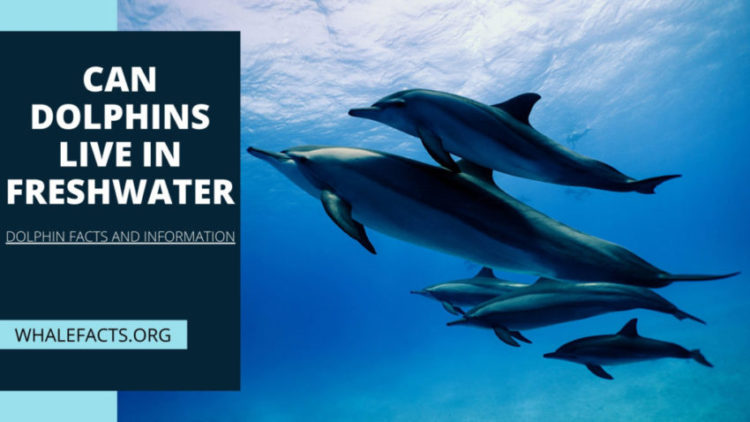

When contemplating the majestic dolphins that glide through our oceans, one might be surprised to learn that some species are, in fact, able to thrive in freshwater environments. The idea of dolphins in rivers and lakes is one that captures the imagination, evoking questions about their adaptability and the ecological niches they occupy. This guide delves into the fascinating world of freshwater dolphins, exploring their species, adaptability, and the nuances of their existence beyond the briny depths of the sea.
The Quest for Freshwater Dolphins
To begin understanding whether dolphins can live in freshwater, one must first examine the nature of the dolphin family itself. Dolphins, classified under the family Delphinidae, are primarily marine mammals. However, there are exceptions; certain species exhibit riverine adaptations, allowing them to inhabit freshwater ecosystems. The most notable among these is the aptly named river dolphin, which includes species such as the Amazon river dolphin (Inia geoffrensis) and the Ganges river dolphin (Platanista gangetica). These dolphins exhibit remarkable characteristics that enable them to flourish in freshwater settings.
Species Spotlight: Freshwater Dolphins
The Amazon river dolphin is perhaps the most iconic freshwater dolphin. Renowned for its distinctive pink hue, often attributed to its vascular skin, the Amazon dolphin is a symbol of the diverse and vibrant ecosystem of the Amazon River. It can reach lengths of over 10 feet and weighs up to 400 pounds, showcasing a robust physique suited for navigating the river’s winding waterways. Adapted to murky habitats, these dolphins possess echolocation capabilities that allow them to hunt and communicate effectively in low-visibility conditions.
In contrast, the Ganges river dolphin, often referred to as “susu,” inhabits the rivers of India, Bangladesh, and Nepal. It possesses a more streamlined body and a prominent dorsal ridge, which gives it a unique appearance compared to its oceanic relatives. This species is particularly adapted to the diverse freshwater ecosystem of the Ganges River. It is critically endangered, primarily due to habitat loss and pollution, underscoring the precarious balance these dolphins maintain in their fragile environments.
Adaptation Mechanisms for Freshwater Survival
Freshwater dolphins exhibit several remarkable adaptations that differentiate them from their marine counterparts. One of the most striking adaptations is in their morphology. River dolphins tend to have elongated, slender bodies. This streamlining is not merely for aesthetics; it enhances their agility in navigating narrow river channels. Furthermore, the lack of a dorsal fin allows them to avoid obstructions in shallow waters, making them more adept at maneuvering through the intricate waterways of their habitat.
In addition to their physical features, freshwater dolphins manifest unique behavioral adaptations. Their reliance on echolocation for hunting necessitates a high degree of auditory sensitivity. The acoustic environment of rivers differs significantly from that of oceans. Thus, river dolphins have developed specialized echolocation clicks that enable them to detect prey and obstacles, compensating for reduced visibility due to sedimentation. This precision in echolocation allows them to find fish, crustaceans, and other aquatic life in their often turbid surroundings.
The Impact of Environmental Change
The plight of these dolphins serves as a reminder of the interconnectedness of all ecological systems. The health of freshwater ecosystems is paramount not only for the survival of these dolphins but also for the myriad of species, including humans, that depend on these water resources. Conservation efforts must be multi-faceted, addressing habitat restoration, pollution control, and sustainable fishing practices to ensure that freshwater dolphins can continue to call their rivers home.
The Role of Freshwater Dolphins in Ecosystems
Freshwater dolphins play a pivotal role in maintaining the ecological balance within their habitats. As apex predators, they help regulate fish populations, contributing to the overall health of aquatic ecosystems. Their predation ensures that no single species dominates, thereby fostering biodiversity—a vital component for resilient ecosystems. Moreover, these dolphins are integral to cultural narratives and local economies, particularly in regions where ecotourism is emerging as a viable alternative to environmentally destructive practices.
Future Prospects and Conservation
With a combination of dedicated conservation efforts and a renewed respect for the intricate web of life within freshwater ecosystems, it is possible to foster a future where dolphins thrive alongside their aquatic peers. The marvel of these creatures invites us to reflect on our responsibility to protect the delicate balance of our planet’s diverse habitats. Through concerted action and awareness, we can ensure that future generations will continue to witness the enchanting presence of dolphins in our rivers and lakes.