


When we ponder the future of energy sources, an intriguing question surfaces: can fossil fuels truly run out? This query transcends a mere academic interest; it stirs an innate curiosity about the planet’s finite resources. As humanity rapidly advances, the reliance on fossil fuels — coal, oil, and natural gas — begs a closer look at the global reserves, their sustainability, and the ramifications of their depletion.
To dissect this complex issue, we must first understand what fossil fuels are. Formed millions of years ago from the remains of dead plants and animals, these energy sources are embedded deep within the earth’s crust. Their combustion powers homes, fuels vehicles, and drives industries. Yet, they contribute significantly to environmental degradation and climate change, prompting an urgent exploration of their longevity.
The heart of the matter lies in the quantifiable reserves of fossil fuels. These reserves, categorized into proven, probable, and possible, present a spectrum of available resources. Proven reserves are those that can be extracted with current technology under existing economic conditions, while probable and possible reserves involve a degree of estimation and uncertainty regarding their extraction viability. The figures are staggering; estimates suggest that global fossil fuel reserves are sufficient to meet current demand for several decades, if not longer. However, this doesn’t translate into infinite availability.
Take oil, for instance. As of recent assessments, the world boasts about 1.7 trillion barrels of proven oil reserves. Major players like the United States, Saudi Arabia, and Russia hold substantial portions of these reserves. Yet, the extraction processes involved are becoming more intricate and costly as we deplete the easiest-to-reach deposits. This leads to an essential inquiry: as the remaining reserves become more challenging to extract, will they still be economically viable? The answer may alter the trajectory of oil consumption dramatically.
Natural gas presents a different but equally intriguing narrative. Touted for its cleaner-burning properties compared to coal and oil, natural gas has surged to prominence in the global energy mix. Its reserves, estimated to be around 6,900 trillion cubic feet, are abundant, yet the question remains: will market fluctuations and geopolitical strife impact availability? Indeed, as countries vie for energy independence, natural gas could become a geopolitical tool, further complicating the dynamics of supply and demand.
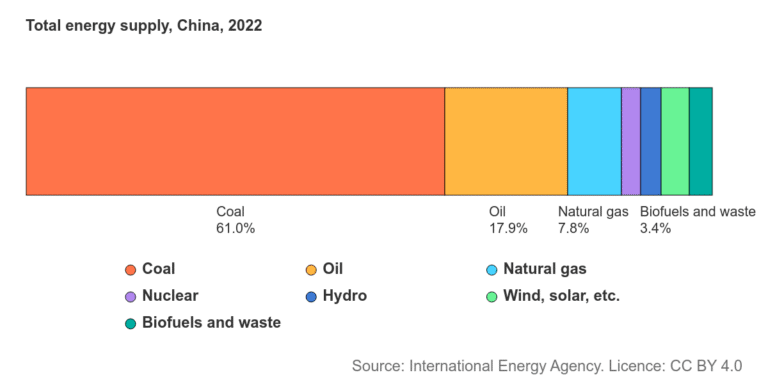
Coal, the most abundant fossil fuel, instills a sense of paradox. With an estimated 1.1 trillion tons of recoverable reserves globally, coal is available in quantities that can sustain us in the near term. However, its carbon footprint is a heavy burden that drives the urgency for alternatives. As nations commit to reducing greenhouse gas emissions, can we afford to rely on coal, even if reserves seem vast? The answer, arguably, leans towards “no.”
As we delve deeper, the crux of the matter emerges: not only are fossil fuels finite resources, but our consumption patterns, technological advancements, and policy decisions dictate their viability. As efficiencies improve in renewable energy technologies—such as wind, solar, and hydro—our reliance on fossil fuels may decrease. The transition to cleaner forms of energy is not merely a luxury but rather a necessity born out of ecological imperative.
Yet, therein lies a playful question. If we have the technology to harness energy from the sun and wind, should we not switch gears? Is the race against fossil fuel depletion a prompt to innovate and revolutionize our energy systems? Embracing this playful twinge of curiosity may yield fruitful discussions on energy sustainability and environmental stewardship. If we can indeed bend the arc of energy consumption toward renewables, could we redefine our relationship with the planet?
As fossil fuel reserves dwindle, the challenges quadruple. The transition towards renewables necessitates significant investments, policy reforms, and cultural shifts. Globally, energy strategies are beginning to reflect the need for a pivot. Countries are implementing aggressive agendas to reduce carbon emissions, promising to invest in sustainable infrastructure. However, these measures often clash with the realities of entrenched fossil fuel economies. For nations whose economies heavily depend on oil and gas, such transitions could pose considerable socio-economic challenges.
The prospect of running out of fossil fuels isn’t merely about the depletion of resources; it encapsulates a broader narrative about energy independence, economic equity, and the resilience of human ingenuity. The finite nature of fossil fuels bears profound implications for geopolitical landscapes, economic stability, and sustainable development.
Moreover, the how-tos of this transition are complex. Energy storage, grid modernization, and consumer behavior intertwine in this delicate dance of progress. As renewable technologies advance, overcoming infrastructural inertia becomes paramount. Legislation must adapt, economies must evolve, and societies must embrace change. It is a tall order, but history witnesses countless instances of human innovation rising to meet challenges deemed insurmountable.
In conclusion, the question remains: can fossil fuels run out? While current reserves suggest a distant end, the intricate dance between supply, demand, and environmental responsibility necessitates a societal paradigm shift. Our relationship with energy is at a crossroads; the choices we make today will reverberate through generations. The call for vigilance, innovation, and sustainability beckons us all. As fossil fuel reserves dwindle, let us not merely brace for depletion but ignite a passionate exploration of what it means to build a sustainable energy future.