
When considering the aesthetics and functionality of outdoor spaces, the question arises: can you lay concrete over existing concrete? This query encapsulates a practical concern, but beneath it lies a fascination with the transformative potential of concrete. Concrete, as a material, serves not just as a foundation but as a medium for creativity and revival. Whether you’re looking to level uneven surfaces, repair cracks, or simply modernize a space, this guide explores the process in detail.
The Rationale Behind Overlaying Concrete
Many homeowners encounter weathered or uneven concrete surfaces that diminish the allure and usability of their patios, walkways, or driveways. Pouring new concrete over old may seem counterintuitive, yet it offers numerous benefits. One significant advantage is the ability to correct imperfections without the laborious process of demolition and removal. Overlaying concrete can create a fresh canvas, enabling and inviting innovative designs, textures, and colors that compliment the surroundings.
Prerequisite Considerations
Before embarking on this endeavor, several pivotal factors must be considered:
- Condition of Existing Concrete: Evaluate the state of the existing surface. Cracks or significant damage should be adequately addressed before overlaying. An unstable foundation could compromise the integrity of the new layer.
- Moisture and Temperature: The weather can influence the success of your overlay. Ensure the conditions are conducive—dry, mild weather is optimal to prevent complications during the curing process.
- Thickness of the Overlay: Determine how thick your new layer should be. Generally, a minimum of 1 to 2 inches is advisable to achieve satisfactory results. Overly thin overlays may fail under pressure, while too-thick layers can crack as they settle.
Step-by-Step Guide to Overlaying Concrete
The following guide will navigate you through the procedural intricacies of laying concrete over concrete, ensuring a robust and aesthetically pleasing outcome.
1. Preparation of the Surface
The first step in any concrete-overlay project is meticulous preparation. Begin by thoroughly cleaning the existing surface. Remove all dirt, debris, and any loose material. Power washing is often the best choice, as it can remove ingrained stains and ensure a pristine surface. Afterward, allow the concrete to dry completely. Moisture can undermine the bonding process, leading to delamination.
Next, inspect the surface for cracks or damage. Any blemishes larger than ¼ inch should be patched with a concrete repair compound, ensuring a smooth and even base. Use a concrete grinder or a scarifier for any high spots, and apply a bonding agent over the entire area to optimize adhesion.
2. Preparing Your Mix
Selecting the right concrete mix is crucial. Use a mix specifically designed for overlays or a polymer-modified concrete mix. These offer superior adhesion and flexibility, helping to prevent cracking. Follow the manufacturer’s instructions diligently to ensure a proper ratio of water to dry mix, achieving a semi-fluid consistency that is easy to pour yet dense enough for strength.
3. Pouring the Concrete
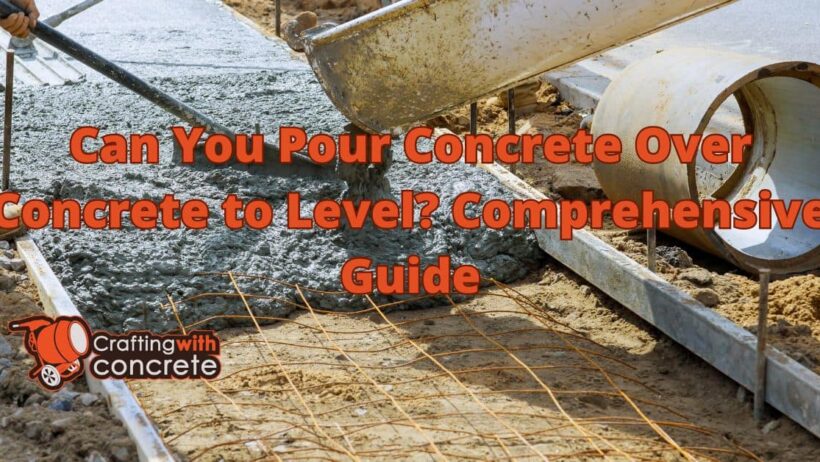
Once your mix is ready, it’s time to pour. Starting at one edge, slowly pour the concrete in a continuous movement. Use a screed board to spread the concrete evenly, leveling it to the desired thickness. Work methodically, ensuring that the layers are uniform. If you’re adding color or texture, incorporate these elements as you pour to ensure an even distribution throughout the surface.
4. Finishing Touches
After laying the concrete, utilize a trowel to smooth the surface and achieve the desired finish. Consider creating a stamped or brushed texture to enhance the visual appeal. This step not only adds aesthetic value but may also provide additional traction, particularly for outdoor applications where slip resistance is crucial.
5. Curing the Concrete
Curing is an essential yet often overlooked phase in the overlaying process. Proper curing ensures the concrete achieves its maximum strength and durability. Maintain moisture by using curing compounds or covering the surface with wet burlap or plastic sheeting for at least a week. This step is vital to prevent cracking and keep the surface hydrated during the curing phase, which generally lasts for 28 days to reach full strength.
6. Sealing the Concrete
Once the concrete cures completely, applying a high-quality sealer is advisable. Sealing protects against staining, wear, and the effects of weathering. Choose a sealer appropriate for your environment, particularly if the area is exposed to harsh elements or heavy foot traffic.
Conclusion
Laying concrete over existing concrete is, in essence, a testament to the ability to rejuvenate spaces with practical solutions. Not only does this practice offer a futuristic view of surface restoration, but it also reflects a deeper appreciation for sustainability in construction by maximizing resources and minimizing waste. As with any home improvement project, meticulous attention to detail will yield a breathtaking result that not only enhances the property’s value but also its overall beauty.