


In the contemporary world, the phenomenon of carbon footprints has become increasingly significant in conversations surrounding environmental sustainability. Businesses are beginning to scrutinize their supply chains more rigorously, driven by a growing awareness of how these processes contribute to atmospheric carbon concentrations. The measurement and reduction of carbon footprints in supply chains are not merely business strategies; they are pivotal to combating climate change and fostering ecological responsibility.
The intricate nature of supply chains encompasses multiple stages, from raw material extraction through production to distribution and eventual disposal. Each segment possesses its own unique carbon emissions profile. The need to measure the carbon impact of these processes is paramount for organizations aspiring to reduce their environmental impact.
When we delve into the measurement of a carbon footprint, it becomes evident that the task is anything but straightforward. Organizations typically rely on established protocols such as the Greenhouse Gas Protocol, which categorizes emissions into three scopes. Scope 1 includes direct emissions from owned or controlled sources. Conversely, Scope 2 pertains to indirect emissions from the generation of purchased energy. Finally, Scope 3 accounts for all other indirect emissions, including those occurring within the supply chain itself, such as upstream emission from materials and transportation and downstream emissions from product use and disposal.
Organizations that aspire to achieve a comprehensive understanding of their carbon footprint must measure all relevant scopes. This holistic approach allows them to identify major emission sources and target them for reduction strategies effectively. A tantalizing reality unfolds: a substantial portion of emissions often resides within Scope 3. While companies may concentrate on direct emissions, failing to recognize external sources can lead to misguided efforts that lack effectiveness.
In light of this revelation, addressing Scope 3 emissions is essential for meaningful progress. Engaging suppliers in sustainability initiatives is crucial. This may include requiring suppliers to report their own carbon emissions or providing incentives for adopting sustainable practices. Forming partnerships based on shared values can promote transparency, enable knowledge exchange, and cultivate a commitment to environmental stewardship throughout the entire supply chain.
Yet, the journey toward carbon footprint reduction is not devoid of challenges. The complexity of measuring and analyzing emissions across diverse suppliers presents significant obstacles. Each component within a supply chain requires distinct measurement approaches and data collection methodologies. Data availability, standards discrepancies, and varying levels of supplier engagement can impede efforts to accurately gauge carbon outputs.
Embracing advanced technologies can facilitate the resolution of these challenges, making it easier to track emissions data throughout the supply chain. The integration of software tools powered by artificial intelligence and big data analytics enables organizations to collect, analyze, and visualize emissions data efficiently. This data-centric approach empowers decision-makers with actionable insights that can enhance their sustainability strategies.
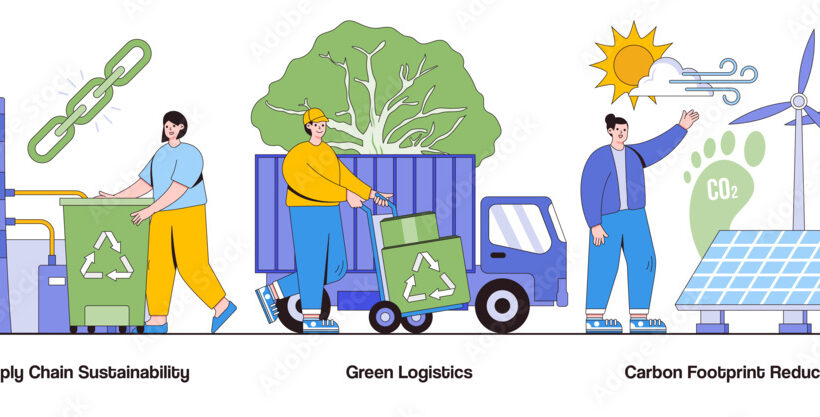
In the context of reduction strategies, there is myriad pathways available to organizations. Within the realm of logistics, electrifying transportation fleets represents a tangible way to diminish emissions associated with product distribution. Electric vehicles have made considerable strides in the last decade, and their adoption can make a measurable impact. Additionally, optimizing shipping routes and minimizing empty miles through improved logistics planning can further reduce transportation-related emissions.
Material reduction also plays a significant role. Incorporating eco-design principles into products can minimize material usage without compromising functionality. The embrace of circular economy concepts can create resilience against supply chain disturbances while fostering sustainability. This transition entails a paradigm shift from traditional manufacturing to regenerative practices that prioritize reuse and recycling.
Moreover, fostering a culture of sustainability within organizations is vital for promoting carbon reduction efforts. Employees should feel empowered to contribute ideas and take ownership of sustainability initiatives. By embedding sustainable values into corporate culture, companies can activate the creativity and dedication of their workforce to engage in innovative carbon-reducing practices. Regular training and workshops can facilitate this cultural shift, ensuring every employee understands their role in minimizing carbon footprints.
The public has become increasingly aware of corporate responsibility, with consumers often leaning towards brands that exemplify environmental commitment. Engaging customers with transparency regarding supply chain practices can forge deeper bonds and result in loyalty. When consumers understand the efforts being made to reduce carbon footprints, they are often more willing to support the brand, thereby reinforcing the trajectory toward sustainability.
Indeed, the quest to measure and reduce carbon footprints within supply chains unveils a rich tapestry of opportunities and challenges. It compels businesses to innovate, collaborate, and define new standards of accountability. As organizations strive to mitigate their carbon impact, they catalyze a tangible shift towards sustainability across industries. The broader implications of these endeavors extend beyond individual enterprises; they contribute to the collective mission of nurturing a healthier planet for future generations.
As we navigate this intricate landscape of carbon emissions, the decisions made today will resonate far and wide, shaping the earth’s environmental legacy. Each step taken, from measurement to reduction, contributes to a collective effort to lower global carbon levels. By acknowledging the complexities of supply chains and pursuing solutions with diligence, businesses can not only enhance their own sustainability but also inspire others to embark on a similar journey.