


As consumers become increasingly aware of their environmental impact, the role of carbon footprint reduction within modern supply chain strategies has emerged as an imperative catalyst for sustainable business practices. Many organizations today are recognizing that reducing carbon emissions not only aligns with corporate social responsibility but also serves as a critical competitive differentiator in a globally interconnected market. This article delves into the multifaceted nature of carbon footprint reduction, its integration into supply chain management, and the profound implications it heralds for businesses and consumers alike.
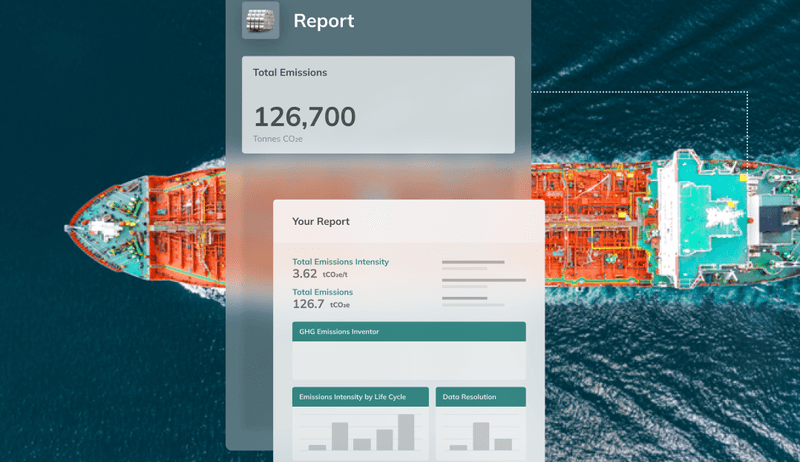
The concept of a carbon footprint is deceptively simple yet intricately complex. It is a measure of greenhouse gases emitted directly or indirectly by individuals, organizations, and processes, represented in units of carbon dioxide equivalent (CO2e). Within supply chains, various stages—from raw material extraction to product manufacturing, distribution, and end-of-life disposal—contribute to this footprint. Understanding and quantifying these emissions is a critical first step in fostering a carbon-conscious approach.
Modern supply chains, often characterized by their intricate and globalized nature, present unique challenges and opportunities in emissions reduction. The necessity for transparency in operations has never been greater. Organizations are now compelled to scrutinize their supply chains meticulously, mapping out not just their own emissions but those of their suppliers. This move towards greater visibility is facilitated by advanced technologies such as blockchain and IoT, which allow for real-time data collection and analysis. Leveraging these technologies nurtures a culture of accountability, sparking a ripple effect that encourages suppliers to adopt more sustainable practices.
Moreover, the burgeoning field of life cycle assessment (LCA) provides a comprehensive framework for evaluating the environmental impact of products throughout their life spans. This analytical tool enables businesses to identify key areas for emissions reduction, from sourcing and production through to distribution and consumption. By adopting an LCA approach, companies can pinpoint inefficiencies, identify sustainable alternatives, and ultimately transition towards a more circular economy where waste is minimized and resources are maximized.
Carbon reduction initiatives are not solely about mitigating environmental harm; they also yield considerable economic benefits. By optimizing their supply chains with carbon efficiency in mind, businesses can achieve significant cost savings. Reducing energy consumption, minimizing waste, and improving logistics ultimately translate to lower operational costs. The shift towards renewable energy sources—such as wind, solar, and hydropower—not only curtails dependency on fossil fuels but also stabilizes energy expenditures, providing enterprises with long-term financial resilience.
Consumer consciousness is another pivotal driver of change. Today’s consumers are increasingly gravitating towards brands that champion environmental sustainability. This shift in purchasing behavior compels companies to rethink their value propositions. Brands that transparently communicate their commitment to carbon footprint reduction tend to foster deeper customer loyalty and trust. The emergence of eco-labels, certifications, and sustainability-driven marketing campaigns serves as invaluable tools for differentiation in a saturated marketplace. In this context, carbon reduction is recast as not merely an operational necessity but as a strategic asset that can engender brand loyalty and enhance market share.
Moreover, regulatory frameworks are evolving to mandate greater accountability in emissions disclosures. Governments around the world are introducing stringent policies aimed at curbing carbon emissions, thereby creating a pressing need for businesses to embrace sustainability proactively. Organizations that anticipate and adapt to regulatory changes will not only mitigate compliance risks but also position themselves as industry leaders in the sustainability arena. The proactive integration of carbon footprint reduction strategies can transform compliance into a source of competitive advantage.
Collaboration also plays a crucial role in achieving carbon neutrality within supply chains. Stakeholders—including suppliers, manufacturers, logistics providers, and customers—must engage in structured dialogues and partnerships to drive collective impact. Multi-stakeholder initiatives, such as the Carbon Disclosure Project (CDP) and the Science-Based Targets initiative (SBTi), spur organizations to set ambitious, science-based reduction targets, aligning their goals with global climate commitments. Through collaborative efforts, industries can pool resources, share best practices, and develop innovative solutions, thereby accelerating the transition toward sustainable supply chains.
Yet, despite the promising trajectory of carbon reduction integration into supply chains, challenges abound. Resistance to change, conflicting priorities, and the upfront costs of transitioning towards more sustainable practices can hinder progress. To navigate these hurdles effectively, companies must cultivate an organizational culture that prioritizes sustainability. Leadership commitment, employee engagement, and stakeholder involvement are essential in driving a paradigm shift towards a low-carbon future.
In conclusion, the role of carbon footprint reduction in modern supply chain strategies is undeniable. By embracing sustainability as a core operational tenet, businesses can spur innovation, enhance efficiency, and create resilient supply chains poised for future challenges. The convergence of technology, transparency, and consumer demand is propelling organizations towards more sustainable practices that not only benefit the planet but also bolster their bottom line. As the imperative for action intensifies, companies that adapt and innovate will inevitably emerge as the pioneers of a new, sustainable economy—reshaping the very landscape of global supply chains in their wake.