

In a world increasingly defined by climate change, pollution, and ecological fragility, the education of our children about the Earth has never been more essential. Children are the stewards of our planet’s future, so it is imperative that they learn to appreciate its wonders, understand its complexities, and engage in its preservation. Fortunately, there is an array of delightful children’s books that captivate the imagination while imparting crucial ecological lessons. Below is a checklist of remarkable educational picks that can inspire a newfound respect for the planet among young readers.
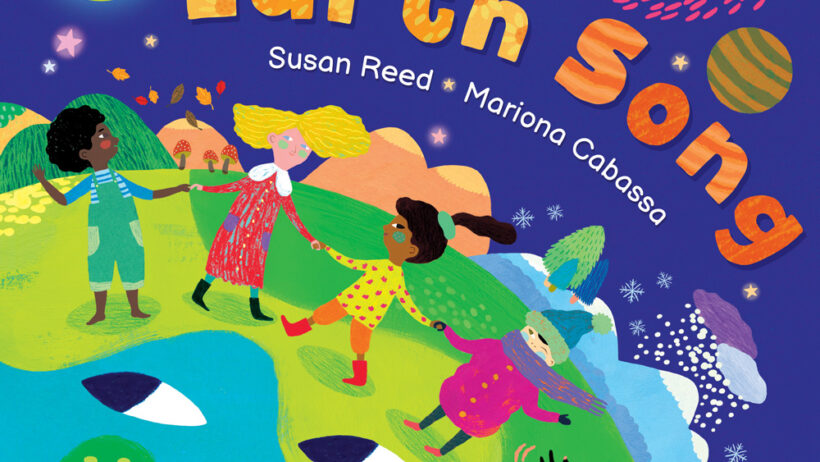
1. Earth Song
For ages 3 to 7, this exquisite book, adorned with vibrant illustrations, introduces children to the symphony of the natural world, beckoning them to listen. It poses a playful question: “What does the Earth sound like?” Each page reveals the myriad sounds encompassing flora and fauna, encouraging children to explore their environment with newfound curiosity. The rhythmic prose and captivating visuals create a magical reading experience, engaging the imagination and fostering a sense of wonder as children learn about the interconnectedness of life.
2. The Lorax by Dr. Seuss
A timeless classic that transcends generations, this whimsical tale by Dr. Seuss is foundational in environmental literature. The story of the Lorax serves as a vibrant allegory about conservation and the consequences of greed. Challenging young readers to ponder, “What can I do to help?” it initiates discussions about sustainability and the importance of protecting nature. Its memorable characters and catchy rhymes ensure that the critical message remains not just fresh, but also memorable.
3. The Earth Book by Todd Parr
Todd Parr’s engaging narrative and bold illustrations make “The Earth Book” a splendid choice for preschoolers. In it, Parr asks readers to think about their impact on the environment and offers simple, actionable steps they can adopt, such as recycling or saving water. Through the lens of colorful pictures and straightforward language, children can both visualize and internalize the importance of green practices. It’s an empowering read that highlights how small actions can lead to significant change.
4. Ada Twist, Scientist by Andrea Beaty
This enchanting tale centers on Ada, an inquisitive girl with an insatiable curiosity about the world. As she embarks on a quest to understand the mysteries of her environment, children are encouraged to explore science and inquiry. The book embraces a spirit of discovery, presenting scientific principles in an accessible manner that urges readers to ask questions about the world around them. This narrative supports critical thinking and nurtures a scientific mindset that is essential for future environmental advocates.
5. All the Places You’ll Go by Dr. Seuss
Another gem from Dr. Seuss, this book goes beyond a mere celebration of adventure; it emphasizes the importance of our choices and their impact on the planet. As readers traverse through fantastical landscapes, they are subtly encouraged to consider their future paths and the responsibilities that come with them. It poses an important challenge: “How will you make a difference?” The whimsical language and playful illustrations serve to inspire hope and instill a sense of agency in young minds.
6. The Curious Garden by Peter Brown
This enchanting tale chronicles a young boy named Liam who discovers a neglected garden and nurtures it back to life. The narrative embodies the spirit of transformation and stewardship, illustrating how one individual can catalyze change in their environment. As children read about Liam’s efforts, they may be inspired to adopt fostering principles in their own communities. The underlying message is clear: our actions, no matter how small, can lead to thriving ecosystems and vibrant communities.
7. What If There Were No Bees? by Suzanne Slade
This captivating book introduces children to the crucial role that bees play in our ecosystem. It raises a thought-provoking question: “What if there were no bees?” Through engaging illustrations and straightforward language, young readers come to understand the delicate balance within ecosystems and the interdependence of life forms. The narrative captivates while educating, ultimately inspiring a newfound respect for pollinators and their pivotal role in food production.
8. Compost Stew: An A to Z Recipe for the Earth by Mary McKenna Siddals
In a clever and engaging format, “Compost Stew” teaches children about composting while also presenting it as a recipe. Each letter of the alphabet is represented by an essential ingredient for composting, thus blending literacy with environmental education. This playful approach makes the practice of composting relatable and exciting, instilling the concept of waste reduction from an early age. The book encourages children to cultivate their understanding of organic matter, nutrient cycles, and the importance of recycling natural materials.
9. The Great Kapok Tree by Lynne Cherry
This poignant story transports readers deep into the Amazon rainforest, highlighting the threats faced by the ecosystem and its inhabitants. As a man naps at the base of the great Kapok tree, various animals articulate their plight, appealing to his conscience. It prompts children to reflect on their role as world citizens and the impact of deforestation. This beautifully illustrated book serves as both an invitation to explore and a call to action, fostering empathy and awareness about one of the planet’s most critical environments.
10. You Are Stardust by Elin Kelsey
In an exquisite exploration of our cosmic connections, “You Are Stardust” beautifully conveys the message that everything in existence is intertwined. With lyrical text and enchanting illustrations, it beckons children to perceive their relationship with the universe and the Earth from a broader perspective. It elevates the simple concept of existence into something extraordinary, inviting children to consider their place within the grand tapestry of life. It presents a vital challenge: “How will you contribute to this interconnected web?”
Ultimately, instilling environmental consciousness in children is an ongoing journey. As they engage with these enriching tales, they are encouraged to ponder, question, and take action. Armed with books as their allies, they can navigate the complexities of our world, ensuring they grow into informed custodians of the Earth. By nurturing empathy, curiosity, and stewardship at a young age, we pave the way for a brighter, more sustainable future.