
The vast expanse of China, with its labyrinthine history and kaleidoscopic culture, beckons travelers in search of immersive experiences. When the subjects of culture, food, and history intertwine, certain cities in China rise to the forefront, each pulsating with its distinctive personality and stories. This article delves into some of the best cities in China to visit for a rich tapestry woven from the threads of delectable cuisine, enthralling historical sites, and vibrant cultural practices.
1. Beijing: The Seat of Imperial Grandeur
Beijing, the nation’s capital, offers an enviable mélange of history and culinary prowess. This ancient city is home to monumental landmarks such as the Forbidden City, a former imperial palace that exudes an air of divine opulence. Walking through its sprawling courtyards transports visitors back to the Ming and Qing dynasties, echoing tales of emperors and majestic rituals.
Moreover, the culinary landscape is steeped in tradition. Peking Duck, a dish that epitomizes the art of Chinese cooking, is best savored in its hometown. The crispy skin paired with a slather of hoisin sauce and thin pancakes is a rite of passage for any food enthusiast. Culinary tours that lead visitors through hidden hutongs reveal local delicacies like jiaozi (dumplings) and baozi (steamed buns)—each bite pulsating with centuries-old flavors.
2. Chengdu: The Spice of Life
Venturing southwest, one discovers Chengdu, often heralded as the birthplace of Sichuan cuisine. This city is a sensory wonderland—the air perfumed with the fragrance of garlic, chili, and the uniquely numbing Sichuan peppercorn. The culinary allure extends beyond restaurants, with street food stalls tantalizing passersby. From hotpot restaurants to food markets, there’s a pervasive emphasis on communal dining that reflects the local culture.
Moreover, Chengdu’s cultural fabric is rich and diverse. It is renowned for its teahouses, which serve as communal corners for socialization and relaxation. Engaging in a leisurely tea ceremony, one receives not only a beverage but an invitation into a lifestyle steeped in patience and enjoyment. Adding to this cultural immersion, the nearby Giant Panda Breeding Research Base allows for intimate encounters with these gentle giants, further rooting visitors in the region’s ecological and cultural ethos.
3. Xi’an: The Cradle of Civilization
Xi’an stands as a historical monument, the starting point of the Silk Road and home to the Terracotta Army. This archaeological wonder encapsulates the grandeur of ancient China, with thousands of clay soldiers standing guard over the tomb of Emperor Qin Shi Huang. Walking through the vast burial site provides profound insights into the collective consciousness and artistic sensibilities of a bygone era.
Culinary explorations in Xi’an are equally captivating. The famous Xi’an street food scene features dishes such as biang biang noodles and yangrou paomo (flatbread soaked in mutton broth). The Muslim Quarter, with its vibrant market environment, showcases an abundance of flavors and aromas that reflect the harmonious coexistence of diverse cultures within the city.
4. Hangzhou: Nature and Gastronomy Intertwined
Just a short trip from Shanghai, Hangzhou is celebrated for its picturesque West Lake, a UNESCO World Heritage site dotted with temples and pagodas. The scenic beauty of Hangzhou is matched only by its culinary offerings. Renowned for its Longjing tea (Dragon Well tea), the city invites visitors to partake in traditional tea-picking experiences. This serene landscape becomes a haven for tea enthusiasts, who can savor the sweet aroma and distinct flavor of freshly brewed leaves.
Furthermore, Hangzhou’s culinary legacy includes dishes like Dongpo pork, a rich and savory dish that reflects the region’s deep-rooted connections to its agricultural practices. Dining here becomes not just a meal, but a homage to the natural bounty that influences Zhejiang cuisine, formed through centuries of local agriculture and cultural exchanges.
5. Shanghai: A Modern Metropolis with Historical Depth
Shanghai, the dazzling global metropolis, is a compelling juxtaposition of ultra-modern skyscrapers and colonial-era architecture. The Bund, a waterfront promenade, offers stunning views of both the historical buildings and futuristic skyline. While the city epitomizes modernity, it is steeped in a history shaped by foreign influences and local traditions.
The food scene here is a microcosm of global gastronomy, effortlessly blending traditional flavors with international cuisine. From street vendors offering xiaolongbao (soup dumplings) to Michelin-starred restaurants serving contemporary interpretations of classic dishes, Shanghai reflects a vibrant culinary dialogue that captures the essence of the city’s dynamism.
The Shanghai Museum, with its vast collection of ancient Chinese art and artifacts, enhances the city’s cultural exploration, inviting visitors to delve into the rich narrative of China’s artistic evolution over millennia.
6. Suzhou: Traditional Aesthetics and Culinary Artistry
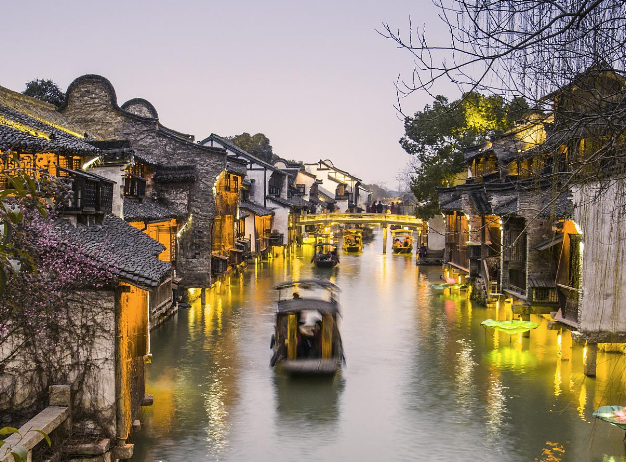
Renowned for its classical gardens and serene canals, Suzhou embodies the quintessence of traditional Chinese aesthetics. The Humble Administrator’s Garden and the Lingering Garden are masterpieces of landscape design that invite contemplation and reverie. Such tranquility resonates with the city’s culinary offerings, which emphasize seasonal ingredients and meticulous preparation.
One of Suzhou’s specialties is its sweet and savory mooncakes. These delectable pastries, often filled with lotus seed paste or red bean, are not merely desserts but reflections of cultural symbolism—shared during festive occasions as harbingers of reunion and joy.
In conclusion, traversing through these remarkable cities reveals that China is not merely a destination, but an odyssey. Each city, with its emblematic food, vibrant culture, and historical depth, weaves a narrative that ultimately enriches the traveler’s experience. These locales exemplify a confluence of past and present, tradition and modernity, beckoning to be explored and savored in their entirety. As one wanders through the streets, tasting the local cuisine and mingling with the citizens, a profound appreciation of China’s cultural legacy unfolds—one that transcends time and space.