
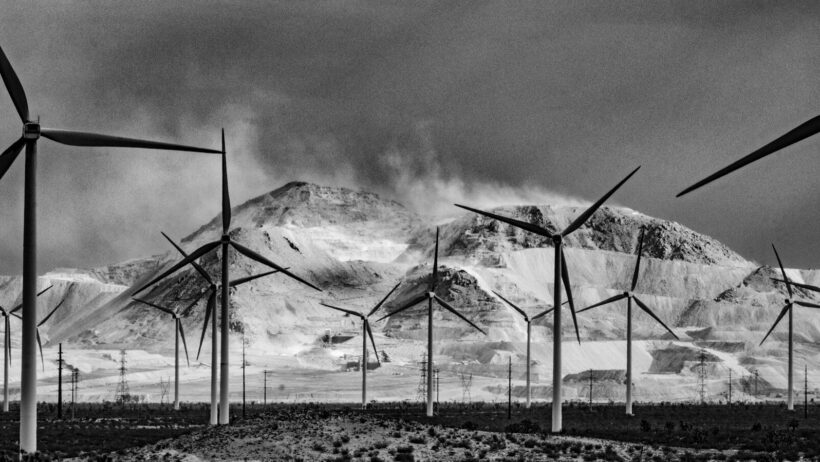

The atmosphere is an intricate tapestry, a delicate weave of gases that supports life on Earth. Each thread contributes to the complex pattern of climate, yet this tapestry is fraying at the seams. “Climate Change: Averting Catastrophe” presents an urgent narrative woven through the life experiences of scientists, activists, and ordinary people thrust into the tumult of environmental upheaval. This documentary examines the undeniable reality that humanity stands at a precarious crossroads, where the decisions made today will determine the fate of generations to come.
As the screen flickers to life, viewers are immediately greeted with haunting visuals of parched landscapes and fierce storms. These images serve as visceral reminders of the consequences of climate change. Like a relentless tide, the impacts of global warming are crashing against the shores of our lives, engulfing communities and ecosystems alike. The documentary employs striking visuals as a potent metaphor for the dire situation facing our planet—a visual symphony that underscores the urgency of the climate crisis.
The narrative unfolds with an exploration of the scientific consensus surrounding climate change. Experts articulate the phenomenon through the lens of the greenhouse effect—an essential, yet perilous, process. The Earth’s atmosphere traps heat, nurturing life. However, excessive concentrations of carbon dioxide and other greenhouse gases, largely driven by human activity, are transforming this natural balance into a ferment of unpredictability. The documentary effectively demystifies scientific jargon, making it accessible to a broader audience, thereby enhancing its appeal.
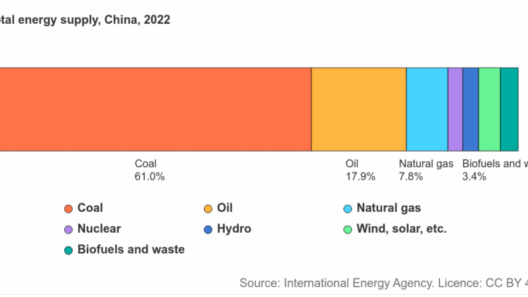
Interspersed with compelling statistics, the documentary emphasizes humanity’s fossil fuel dependency, a monolithic obstacle to combating climate change. Each statistic is a pebble dropped into the lake of our consciousness, creating ripples that expand awareness. The juxtaposition of glamorous energy consumption against stark realities reveals an uncomfortable truth: our lifestyles demand a staggering toll on the planet. The documentary spurs viewers to question the cost of convenience—a poignant reminder that the price of inaction is exorbitant.
The film then transitions to illustrate the real-world impacts of climate change. Vivid stories from individuals—farmers grappling with drought, coastal towns inundated by rising seas, immigrants fleeing climate-related devastation—imbue the narrative with emotional weight. These personal accounts serve as a mosaic of experiences that highlight the interconnectedness of climate impacts. They amplify the notion that climate change is not a distant threat; it is a current catastrophe shaping lives in tangible ways. This human element transforms statistics into lived experiences, establishing a sense of urgency that resonates with viewers.
In an attempt to balance despair with hope, the documentary introduces innovators and activists who exemplify perseverance in the face of adversity. Solar panel installations glimmer against the backdrop of urban decay, and community gardens burgeon in once-barren lots. This narrative arc from destruction to regeneration is reminiscent of a phoenix rising from the ashes. By showcasing transformative initiatives, the documentary inspires viewers to envision a more sustainable future. It serves as a clarion call, urging individuals to partake in the collective endeavor to avert disaster.
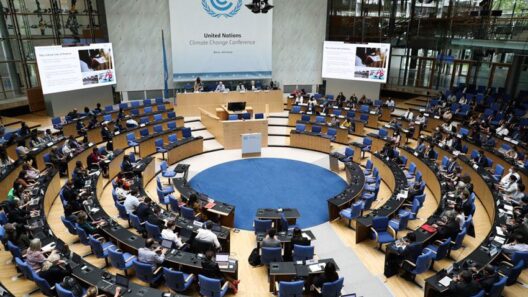
Further enriching the documentary’s narrative are explorations of policy implications and the geopolitical ramifications of climate change. The narrator alludes to climate treaties and international collaborations that seek to unify nations in the quest for solutions. However, the film does not shy away from highlighting the obstacles that hinder progress—corporate interests, political inertia, and a populace often mired in apathy. Each barrier presented serves as a reminder of the labyrinthine path towards meaningful change and reinforces the notion that the journey is fraught with challenges.
The documentary also utilizes visual metaphors to depict the urgency of climate action. The imagery of a ticking clock serves as a constant reminder that time is running out. The clock does not merely mark the passage of time; it encapsulates the impending deadline for decisive action against climate change. This motif effectively communicates the critical nature of the moment we are in, forging a sense of responsibility among viewers. It becomes imperative to act, to confront the ticking clock rather than succumbing to inaction.
As the narrative draws to a close, the documentary circles back to the concept of interconnectedness. It posits that the fight against climate change transcends borders, socioeconomic divides, and generations. We are all players in an interdependent ecosystem, each choice reverberating through the jagged fabric of our world. It emphasizes that the quest for solutions must encompass diverse voices and perspectives. This inclusivity strengthens the narrative’s impact, asserting that everyone has a role to play in shaping a sustainable result.
Ultimately, “Climate Change: Averting Catastrophe” epitomizes a clarion call for collective action. Its visual storytelling, grounded in science yet enriched by human experience, serves as an evocative reflection of our contemporary climate crisis. The documentary invites audiences to ruminate, to challenge their own perceptions, and to envision the future they wish to create. Not simply a documentary, it emerges as a cultural artifact demanding introspection and engagement. The path ahead is fraught with uncertainties, yet the film imparts an undeniable truth: hope springs eternal when individuals unite for a cause greater than themselves. In a world increasingly marred by division, the threat of climate change may indeed be the catalyst needed to foster unity and catalyze change.