
As March unfolds across Europe, one might ask: what’s the weather like this time of year? The truth is, the climate in Europe during March can be as whimsical and enigmatic as a first springtime bloom. Temperatures begin to rise, hinting at the end of winter’s frosty grip, while rainfall can vary dramatically from one region to the next. For those contemplating travel or simply observing nature’s shifts, understanding this transitional month offers both charm and challenges.
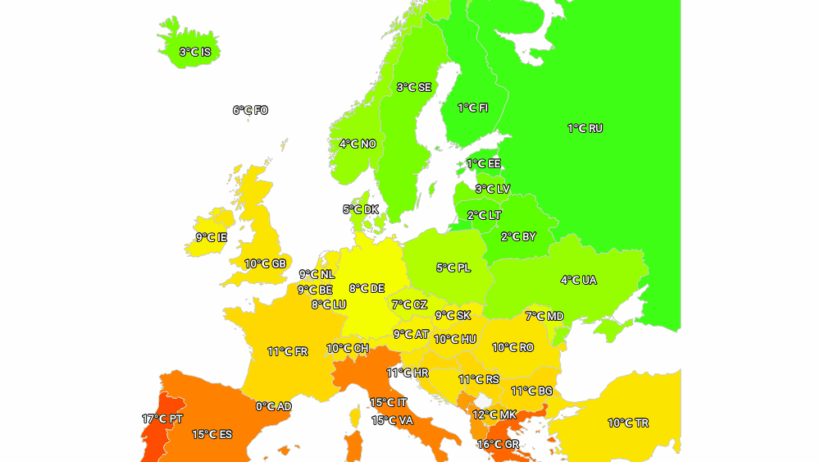
March heralds the arrival of spring in Europe, a season celebrated for its vivid transformations. As the month progresses, day lengths increase, and with them, temperatures begin to escalate from the chill of winter. The average temperatures across Europe can range from a brisk 0°C (32°F) in the northern regions to a more temperate 15°C (59°F) in parts of southern Europe, such as Spain and Italy. But this is merely an average; unexpected cold snaps can still surprise even the most seasoned meteorologists.
In northern Europe, countries like Sweden and Finland are still feeling the winter’s embrace in early March. Residents and locals might notice unseasonably low temperatures, particularly in the first half of the month. The average highs here hover around 4°C (39°F). It is not uncommon for snow blankets to linger, creating picturesque yet chilly landscapes. As temperatures gradually rise leading to the latter half of March, one might wonder whether to don their parka or embrace the lighter jackets. This indecision could be seen as a metaphor for the climate crisis—how do we prepare for shifting patterns?
Traveling further south, the climate begins a noticeable transformation. Countries like Germany and France witness a rise in average temperatures, moving towards a comfortable 10°C (50°F) by mid-March. Rainfall begins to play a significant role in the region’s weather patterns. March precipitation amounts can vary greatly, with areas receiving 30 to 60 mm of rain over the month. The challenge here is unpredictable weather; one day might radiate sunshine while the next may bring showers and overcast skies. How can travelers and locals alike adapt to this capricious climate?
Southern Europe, with its sun-kissed landscapes, shows marcated signs of spring coming in full force. Regions like Spain and Italy bask in elevated temperatures that flirt with the mid-teens or even higher in some locales, particularly in the south. Coastal areas can enjoy delightful conditions for tourists, resembling summer’s gentle touch more than winter’s harshness. However, this vibrant climate can also draw out the pesky rains, contributing to an average precipitation rate of 40 mm to 80 mm. The playful question arises: are locals simply enjoying a warm afternoon in the park when, all of a sudden, a surprising shower sends them dashing for cover? This unpredictability can affect everything from outdoor gatherings to agricultural readiness.
Nevertheless, it’s crucial to recognize that March does not uniformly treat every corner of Europe with the same climatic brush. The Mediterranean climate zones thrive in the south, while continental climates dominate central regions. This variation creates unique microclimates even within small geographical confines. For example, a region in the Alps might still be blanketed with snow, while cities in the lowlands nearby are awakening to flower blooms. The complexity of weather patterns highlights the necessity for a nuanced understanding of regional climates.
As spring approaches its crescendo, March is also a month marked by meteorological phenomena. Periods of sudden warmth can lead to rapid snowmelt in mountainous areas, resulting in an increased risk of flooding downstream. The balance of rising temperatures paired with persistent precipitation poses a considerable challenge to local communities. Accurately predicting these conditions becomes paramount for infrastructure planning and disaster preparedness, reminding us of the intricate interconnectedness of human society and natural systems.
Moreover, ecological effects escalate as temperatures fluctuate. Plant species begin to awaken from their dormant state, eager for sunlight and rain. However, the erratic weather patterns may spurn an early bloom, leading to vulnerabilities. Crops that thrive in stable conditions may face challenges, urging farmers to adapt their agricultural practices. Here emerges a vital question: how can sustainable practices be integrated into farming amidst unpredictable climates? Transitioning towards resilience becomes not just beneficial but essential.
Approximately half of Europe’s annual rainfall occurs in the spring months, making March a critical period for hydrological cycles. Thus, as rainfall becomes indispensable for flora and fauna, understanding its distribution across the diverse European landscape is vital. It isn’t merely about observing rainfall but rather recognizing its convoluted relationship with temperature fluctuations and their collective impact on the environment. This multifaceted interplay defines not only local ecosystems but also broader environmental health across the continent.
In conclusion, as we embrace March and its transitional character, Europe’s climate presents both a panorama of enchanting beauty and a complex web of challenges. It invites dialogue about sustainability, adaptation, and community resilience—a captivating dance of nature and society. With temperatures on the rise, rainfall variability, and the echoes of spring awakening, one may find themselves pondering: how do we embrace the promise of spring while safeguarding against its unpredictability? The answers lie within a collective commitment to understanding and protecting our planet amid an ever-changing climate narrative.