Coal mining stands as one of the most contentious industries of our time, frequently drawing attention for its significant environmental ramifications. The allure of coal, historically viewed as a bastion of energy and economic growth, has gradually been overshadowed by a growing awareness of its environmental impact. This article delves into the various ways coal mining affects our natural surroundings and raises crucial questions about its sustainability.
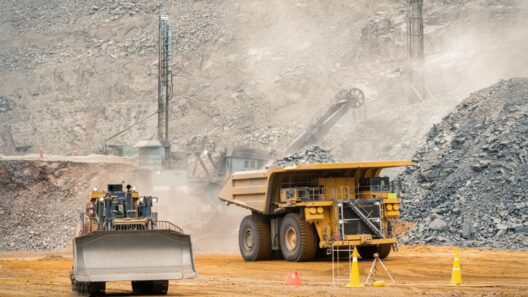
To begin, it is essential to understand the sheer scale of coal extraction. Globally, coal mining operations are extensive, ranging from underground mines to surface mining—each method possessing its unique set of environmental implications. Surface mining, for instance, involves the removal of vast expanses of topsoil and vegetation, leading to deforestation and habitat destruction. The process invariably alters local ecosystems and displaces countless species, creating an imbalance in the delicate interdependencies that sustain them.
A prominent issue arising from coal mining is the phenomenon of acid mine drainage. This occurs when water seeps through coal and its surrounding rock, leaching harmful minerals such as iron, manganese, and sulfuric acid into nearby waterways. The resultant pollution disrupts aquatic life and compromises water quality, ultimately detrimental to surrounding communities reliant on these water sources for consumption and agriculture. The visible streams of acidified water are often a stark reminder of the invisible monster lurking beneath the surface that can wreak havoc on entire ecosystems.
Moreover, the procedure of coal extraction releases significant quantities of greenhouse gases, notably carbon dioxide (CO2), into the atmosphere. These emissions contribute directly to global warming, heralding severe climate change consequences that pose threats to agricultural productivity, human health, and biodiversity. Despite coal being a relatively inexpensive source of energy, the hidden costs of climate change—ranging from natural disasters to the health ramifications of air pollution—compound exponentially, rendering the long-term sustainability of coal mining dubious at best.
In addition to the atmospheric pollutants, coal mining operations generate copious amounts of particulate matter. These microscopic particles can travel vast distances, infiltrating air quality far beyond the mining sites. Prolonged exposure to these particulates can lead to serious health issues, including respiratory illnesses and cardiovascular problems. Communities situated near mining operations often assume the brunt of these health hazards, raising ethical concerns about environmental justice and the distribution of risks associated with coal mining.
Water use and pollution represent another dimension to the environmental debate surrounding coal mining. The extraction and processing of coal demand immense quantities of water, exacerbating regional water scarcity issues, particularly in arid environments. Furthermore, the contamination of waterways with heavy metals—including lead, arsenic, and mercury—from mining runoff poses severe risks to aquatic organisms and the humans who rely on these ecosystems for sustenance. Such pollution underscores the urgent need for improved regulations and more responsible mining practices.
Notably, the visual landscape surrounding coal mining operations remains an enduring scar on the environment. The expansive industrial sites, often juxtaposed against pristine natural environments, evoke a profound sense of dissonance. Mountains are reduced to mere hills, and scenic vistas are obliterated, raising important considerations about the value we place on nature and its inherent beauty. The lasting visual impact begs the question: should economic gains ever come at such a significant environmental cost?
As the world gradually shifts toward more sustainable energy sources, the reliance on coal appears increasingly anachronistic. Renewable energy technologies, such as wind and solar power, present viable alternatives that minimize environmental degradation while supporting economic growth. These alternatives not only reduce greenhouse gas emissions but also create job opportunities in emerging industries. The potential for a more sustainable future renders the ongoing investment in coal mining questionable.
In light of these multifaceted concerns, the fate of communities impacted by coal mining is particularly poignant. Numerous towns find themselves economically dependent on coal despite recognizing its harmful consequences. While employment opportunities in the sector are often lauded, the reliance on an industry fraught with health risks and environmental destruction raises pressing ethical questions. The pursuit of economic stability must not eclipse the imperatives of environmental integrity and human health.
Moreover, public sentiment surrounding coal mining is shifting, driven by heightened awareness and activism. Movements advocating for environmental preservation and climate justice have gained momentum, intensifying scrutiny on coal mining practices. The call for transparency and accountability in the sector grows louder, as activists push for legislation that safeguards both the environment and public health. The equation of profits versus planet is no longer sustainable in the eyes of an increasingly informed and engaged populace.
In conclusion, the implications of coal mining reverberate far beyond the immediate economic benefits it provides. The environmental toll—marked by ecosystem disruption, air and water pollution, and the exacerbation of climate change—compels us to reevaluate our dependence on fossil fuels. As society turns its gaze toward sustainable energy sources, the narrative surrounding coal mining undergoes transformative scrutiny, bringing to light the intricate web of consequences that demand urgent attention and action. The question remains: how much longer will we prioritize short-term gains over the health of our planet and its inhabitants?