
The Amazon Rainforest, often revered as the lungs of our planet, harbors a bewildering array of life, including some of the deadliest creatures known to humankind. While its rich biodiversity astounds, lurking within its dense foliage and murky waters are animals that wield the potential for peril. By understanding these formidable beings, we can develop a profound respect for the ecological balance they maintain. Here’s a riveting exploration of the deadliest animals in the Amazon Rainforest, dissected and ranked based on their threat to human life.
1. Green Anaconda
The epitome of sheer size and strength, the Green Anaconda reigns supreme as the largest snake in the world by weight. These serpentine giants can exceed 20 feet in length and weigh over 500 pounds. Their ambush predation technique makes them formidable hunters. Capable of submerging themselves beneath the water’s surface with only their nostrils above, they strike when least expected. While attacks on humans are rare, their immense strength and constrictor capabilities warrant deep respect. An encounter with one in the wild can introduce an adrenaline rush that’s hard to forget.
2. Poison Dart Frog
In stark contrast to the anaconda’s brute force, the beauty of the Poison Dart Frog lures many into a false sense of security. These diminutive amphibians, adorned in vibrant hues that signal their toxicity, are among the most venomous creatures on Earth. The poison secreted through their skin can lead to paralysis or even fatality in mere minutes. Indigenous tribes have historically utilized this toxin in their blowgun darts, rendering the frogs not just beautiful, but brutal. A fascination with their alluring appearance often overshadows the dangers they signify, making them a compelling paradox of nature.
3. Piranha
When envisioning the Amazon, one cannot overlook the infamous Piranha. Mythologized in horror narratives, these fish possess razor-sharp teeth and a reputation for ferocity. In reality, their predatory behavior is context-dependent. Piranhas are scavengers and primarily consume carrion, but in moments of stress, such as drought or food scarcity, they can become aggressive, provoking potential dangers for anyone venturing into their territory, particularly in shallow waters. Their collective fearsome reputation is a reminder of the raw, untamed nature within the Amazon’s depths.
4. Jaguar
A symbol of strength and agility, the Jaguar prowls the undergrowth with an unparalleled grace. It is the largest cat in the Americas and wields the most powerful bite force of any feline. Jaguars primarily hunt by ambushing their prey, utilizing the element of surprise. Despite their generally elusive nature, encounters with humans can turn deadly, particularly if they feel threatened. Conservation efforts are crucial as their habitats dwindle, reminding us that the most magnificent predators deserve our respect and protection, not fear.
5. Bullet Ant
Often lauded for having one of the most painful insect stings known to mankind, the Bullet Ant takes its name from the excruciating sensation reminiscent of being shot. Native tribes utilize this ant in initiation rituals, exposing participants to its sting as a rite of passage. The sting, while painful, is not lethal, yet it serves as a powerful testament to the remarkability and severity of Amazonian wildlife. Encountering a Bullet Ant unprepared can lead to a moment of terror, instilling a reverence for the perils of the rainforest.
6. Fer-de-Lance Snake
Stealthily maneuvering through its habitat, the Fer-de-Lance snake exemplifies the dangers of medical misapprehension. This highly venomous pit viper is responsible for a significant number of snakebite incidents in Latin America. Its warning coloration can deceive the unsuspecting, as it relies on ambush tactics. In the event of a bite, the effects can be devastating, necessitating urgent medical attention. The Fer-de-Lance underscores the urgency of awareness regarding the creatures that inhabit this biodiverse region, particularly for those traveling through its labyrinthine trails.
7. Electric Eel
In the murky waters of the Amazon, the Electric Eel reigns among the stunning and startling. Capable of generating a jolt of up to 600 volts, it can incapacitate both prey and potential predators, including humans. The technology behind this electrical defense mechanism reveals a sophisticated evolutionary adaptation. Though fatalities from electric shock are uncommon, the sheer unpredictability of encountering one warrants caution. It serves to remind us of the fascinating intricacies within aquatic ecosystems, where beauty often veils danger.
8. Black Caiman
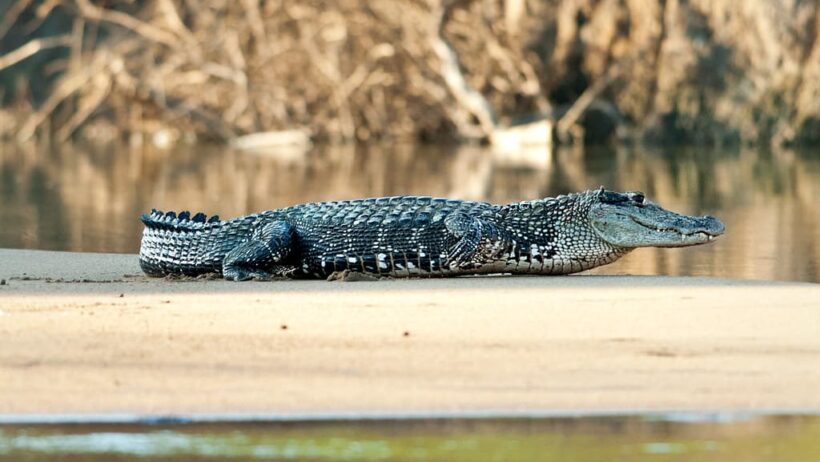
The Black Caiman, a formidable reptilian predator, is the Amazon’s largest predator, revered for its stealth and power. Thriving at the water’s edge, these ambush hunters utilize their dark coloration to blend seamlessly into their surroundings. Attacks on humans are uncommon but can be lethal, especially for those who venture too close to their territory. The Black Caiman symbolizes the perpetual alignment of fear, respect, and admiration for the apex predators that govern this ancient landscape.
Each of these creatures contributes to the ecological tapestry that is the Amazon Rainforest. Their lethal traits, while alarming, invoke a deeper understanding of the balance necessary for sustaining such diverse ecosystems. By appreciating these animals, we cultivate a profound respect for the environment and the intricate relationships that define life within this surreal natural wonder. Exploring the Amazon should be steeped in curiosity and caution, rewarding those who seek to learn about the staggering complexities of life nestled within its depths.