


In the complex tapestry of ecosystems, decomposers are often the unsung heroes, tirelessly working beneath the soil and out of sight. Like the unseen threads in a grand tapestry, they weave together the very fabric of life by facilitating the intricate dance of nutrient cycling. But who are these mysterious organisms? From fungi to bacteria, these minute beings play pivotal roles in maintaining ecological balance, and their importance is paramount.
At the foundational level, decomposers are nature’s recyclers. They take the remnants of once-living organisms—plant matter, animal carcasses, fallen leaves—and break them down into simpler substances. Imagine a vibrant forest in autumn, leaves cascading down like confetti. While the scene captures the eyes, it is the silent, invisible army of decomposers that ensures this natural celebration is not fleeting but rather a vital segment of the life cycle. As leaves decompose, they enrich the soil, supplying nutrients that fuel new life. Without this process, ecosystems would become overwhelmed with waste, a type of clutter that would choke the very environment that sustains them.
Decomposers serve as the bridge between death and life, a metaphorical symphony of rebirth. When a deer succumbs to the ravages of nature, its body doesn’t just decay; it transforms into an ecosystem-replenishing entity. Bacteria and fungi break down tissues, releasing vital nutrients back into the soil. Herein lies a poignant truth: every ending is merely a new beginning. The nutrients freed from decomposition nourish the crops that farmers harvest, the vegetables in our gardens, and the wildflowers that return after winter’s retreat.
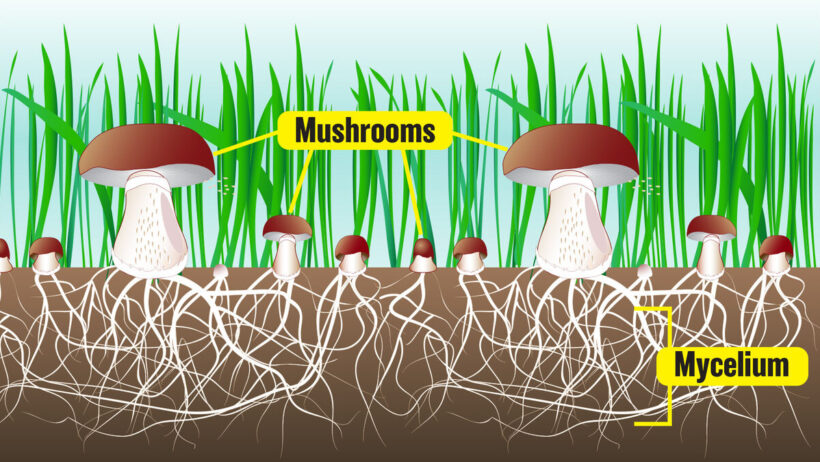
Fungi, often regarded as the earth’s hidden gems, play a particularly crucial role in this narrative. Mycelium, the vegetative part of fungi, spreads through the soil like delicate webbing. This intricate network not only helps decompose organic matter but also enhances soil structure. It acts like a benevolent guardian, allowing for better water retention and promoting biodiversity in soil organisms. Thus, the very structure of the earth beneath our feet thrives, creating conditions conducive to plant growth and, by extension, supporting entire animal communities. Such relationships remind us of the interconnectedness that characterizes our world, where all beings, however microscopic, have roles to play.
But why should we, as contributors to this fragile ecosystem, actively cherish and protect decomposers? For one, they bolster food security. By enriching the soil, they enable agricultural productivity, which is directly tied to our sustenance. Healthy soils yield healthy crops, and decomposers enhance this process by breaking down organic materials into essential nutrients. In an era where food scarcity looms large, understanding and fostering the role of these organisms in agriculture becomes increasingly important.
Furthermore, decomposers are instrumental in the carbon cycle, mitigating the impacts of climate change. With the rise of carbon emissions, the ability of ecosystems to sequester carbon has become a topic of great concern. Decomposers help sequester carbon by storing it in the soil through the decomposition process. They facilitate a natural method of trapping carbon, reducing greenhouse gases and their detrimental effects on our atmosphere. This underscores their unassuming nature; they are not only vital for nutrient cycling but also act as unsung defenders against climate change.
In aquatic ecosystems, the role of decomposers is equally crucial. Benthic organisms, such as detritivores, feed on organic matter that settles at the bottom of rivers, lakes, and oceans. Through their relentless activities, they maintain the health of these aquatic environments, promoting clarity and reducing the buildup of sediment and waste. Imagine a river where the surface sparkles under the sun, yet the depths remain unclean and murky. Only through the efforts of these decomposers can we ensure that the waterways are vital lifelines teeming with biodiversity.
As we ponder their significance, it is important to consider the threats that confront decomposers today. Pollution, habitat destruction, and climate change undermine their populations, thus unsettling the balance that ecosystems strive to maintain. The advent of synthetic fertilizers, while seeming to offer a quick fix for nutrient deficiencies, often disrupts the natural habitats of these essential organisms. This is a disquieting reminder of the interconnectedness of our actions; when one component falters, the entire system may spiral into chaos.
In light of this reality, fostering environments that support decomposers is chief among our responsibilities. Practices such as composting, minimizing pesticide use, and adopting sustainable agricultural practices can help bolster their populations. Importantly, educating communities about the value of these organisms can engender a greater appreciation for our role in nurturing the delicate balance of ecosystems.
The cycle of life is a grand narrative, one laden with characters and plots intertwined in a drama far more complex than we often appreciate. Decomposers, serving as the quiet facilitators, are pivotal to this story. They remind us of the beauty in decay, the necessity of renewal, and the audacity of life to continue. By recognizing their importance, we empower not only the ecosystems around us but also ourselves to foster a more sustainable and vibrant planet, respecting the delicate dance of life at every turn.