



The phenomenon of climate change has accelerated to unprecedented levels, marking a formidable challenge for the planet. As greenhouse gas emissions continue to rise, temperatures follow suit, prompting a cascade of transformations within our environment. These shifts encompass not just the physical landscape of the Earth, but also the biological and socio-economic frameworks that sustain human life. An examination of the repercussions engendered by climate change is not merely necessary; it is paramount to understanding the future of our planet.
One of the most striking manifestations of climate change is the rise in global temperatures. The Intergovernmental Panel on Climate Change (IPCC) has documented a consistent upward trend, with current temperatures averaging approximately 1.1 degrees Celsius above pre-industrial levels. This change engenders a series of dire consequences, beginning with the increased frequency and intensity of extreme weather events. Hurricanes, droughts, and floods have become more prevalent, wreaking havoc on ecosystems and communities alike. The catastrophic events of recent years serve as harrowing reminders of this escalating natural volatility.
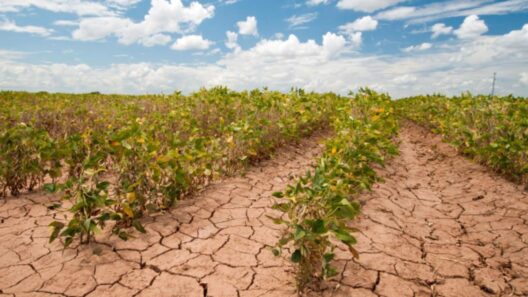
Moreover, the shift in climate patterns precipitates alterations in precipitation rates. Certain regions are experiencing a deluge of rainfall while others face arid conditions, leading to the phenomenon of climate-induced desertification. These changes have a profound impact on agricultural systems, crucial for global food security. Crop yields are diminishing in areas traditionally known for prolific harvests, prompting fears of famine and economic instability. The dependency on predictable weather patterns for agriculture underscores the vulnerability of human societies to climatic alterations.
Conversely, rising atmospheric temperatures catalyze the melting of polar ice caps and glaciers. The Arctic region, often considered the frontline in the fight against climate change, has witnessed alarming thawing rates. The ramifications of such ice loss are twofold: firstly, it contributes to rising sea levels, posing a significant threat to coastal cities globally; secondly, the loss of reflective ice surfaces exacerbates warming by reducing the Earth’s albedo effect. As oceans absorb more heat, marine ecosystems suffer, leading to phenomena such as coral bleaching and the disintegration of vital ocean habitats.
The marine environment is not the sole recipient of climate-induced trauma. Terrestrial ecosystems are experiencing remarkable shifts in biodiversity. Species migration patterns are evolving as flora and fauna seek refuge in cooler climates. This shift often results in the displacement of native species, which struggle to compete in new environments. A consequence of such ecological upheaval is the potential extinction of countless species that cannot adapt rapidly enough to the shifting climate. The loss of biodiversity diminishes ecosystem resilience, threatening the very fabric of our natural world.
In addition to environmental ramifications, climate change exacerbates existing social inequities. Vulnerable populations, particularly in developing nations, bear the brunt of climate-related disasters. Disproportionate access to resources, including food, water, and shelter, highlights the chasm between affluent societies and those grappling with climate adversity. When food shortages arise due to erratic weather, it is often marginalized communities that suffer the most. This interplay between environmental and social justice issues necessitates a holistic approach to climate change mitigation policies.
Moreover, the economic implications of a shifting climate cannot be overlooked. Industries reliant on natural resources, such as agriculture, fisheries, and tourism, face mounting pressures amidst climate instability. The economic costs associated with extreme weather events and adaptation strategies can be staggering. Global economic models must integrate climate projections to ensure sustainability and resilience, as failure to do so may precipitate severe financial repercussions worldwide.
In light of these multifaceted challenges, proactive measures become imperative. Mitigation, adaptation, and resilience strategies are vital in addressing the far-reaching impacts of climate change. Renewable energy adoption stands as a critical solution, with wind, solar, and hydroelectric power offering sustainable alternatives to fossil fuels. Transitioning to a low-carbon economy not only curtails greenhouse gas emissions but also stimulates job creation in burgeoning green sectors.
Furthermore, conservation efforts aimed at preserving biodiversity and restoring ecosystems are paramount. Initiatives like reforestation can combat carbon emissions while fostering habitat restoration. Engaging local communities in conservation efforts creates a sense of stewardship and ownership, enhancing the likelihood of successful outcomes. Collaborative approaches, combining scientific research with traditional ecological knowledge, can yield innovative solutions to the environmental crises posed by climate change.
On an international scale, climate agreements such as the Paris Accord exemplify the collective action necessary to combat climate change. Such treaties aim to unite countries in their pursuit of emissions reductions, reinforcing the notion that climate change knows no borders. The global community must recognize that addressing this existential threat is a shared responsibility, transcending geopolitical divides.
As the planet continues to shift under the weight of climate change, our response must be both urgent and comprehensive. Understanding the complexities of this issue is only the beginning; action is the next step. By fostering innovations in sustainability, promoting environmental equity, and embracing international cooperation, society has the potential to navigate the choppy waters of climate change. The future of our planet hangs in the balance, and it is incumbent upon all of us to act decisively for the generations yet to come.