

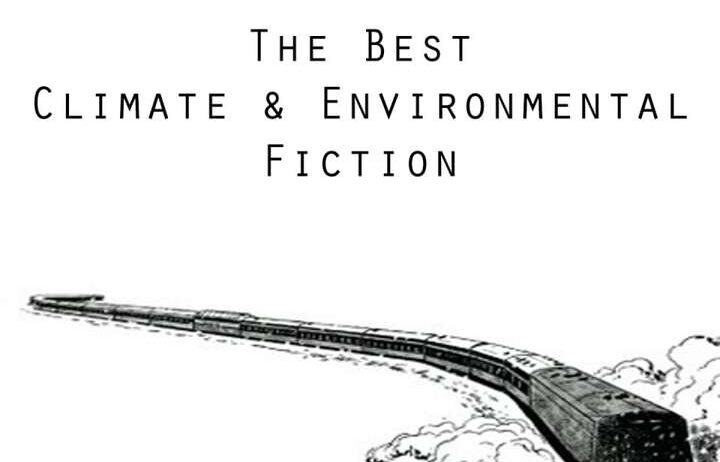

As the specter of climate change looms ever larger over our societies, it raises the tantalizing question: Could fiction, a realm traditionally devoted to the imaginative and the fantastical, serve as a poignant reflection of our environmental anxieties? Or perhaps, it can even act as a catalyst for change? In examining the growing genre of climate fiction—or cli-fi, as it has been coined—one must wrestle with the inherent challenge of translating the abstract concepts of environmental crises into compelling narratives that resonate with a broad audience.
Climate fiction is not merely an artistic endeavor; it is a profound commentary on the human condition in the epoch of ecological peril. These narratives challenge readers to confront an uncomfortable truth: we are living in an age where the consequences of ecological neglect are manifesting in real-time. From rising sea levels to catastrophic weather patterns, cli-fi examples beckon us to ponder an unsettling thought: what if today’s fiction becomes tomorrow’s reality? How might literature shift the perception of our collective responsibility towards both the planet and each other?
Narratives spun around environmental themes are often immersive, transporting readers into landscapes ravaged by dystopian realities or depicting utopian visions born from sustainable practices. This juxtaposition of the catastrophic and the hopeful serves a dual purpose; it not only evokes emotional responses but also stirs intellectual contemplation. Take, for instance, the anthology “Everything Change, Volume II,” which compiles various stories that grapple with climate change’s myriad impacts on human life. Each tale provides a unique lens, amplifying the complexity of our struggles with environmental degradation while highlighting potential pathways to recovery.
Yet, what underpins the effectiveness of these stories? They propel us to envision a future where nature is not merely a backdrop but an integral character—an entity with which we must interact, negotiate, and ultimately coexist. In an era marked by rampant consumerism and a disconnection from the natural world, climate fiction serves as a stark reminder of our intertwined destinies. This genre effectively urges readers to rethink their role within the intricate tapestry of life on Earth.
The potential for questioning the status quo continues with the narrative forms these works adopt. Many climate fiction authors explore speculative realms, where fantastical elements accentuate the bleak realities of climate change. For instance, in the writings of acclaimed authors like Kim Stanley Robinson, readers are invited to traverse the fine line between speculative fiction and pragmatic narratives grounded in scientific plausibility. Such blending challenges the reader to not only imagine alternative futures but also to confront their current complicity in ecological devastation.
In an increasingly digital age, the dissemination of cli-fi has expanded beyond traditional print formats. Digital media platforms have emerged as a new frontier for storytellers dedicated to environmental themes, offering an interactive space where fiction can ignite grassroots activism. The intertwining of climate concerns with different media forms encourages community discourse, allowing individuals to share their narratives and mobilize action. Consequently, one might ask, can storytelling in a digital world catalyze real-life engagement in environmental causes?
As we delve deeper into the implications of climate fiction, it is crucial to consider its educational potential. Beyond entertainment, narratives rooted in environmental themes can offer a unique teachable moment, prompting discussions about climate realities that are often sidelined in standard curricula. Through the examination of characters grappling with loss—be it personal or ecological—readers may find themselves exposed to new ideas and compelled towards the pursuit of sustainability. There lies an argument here: can fiction thus become a vessel for environmental advocacy, leading to real societal change?
It is essential to recognize, however, that the power of cli-fi is not merely in its capacity to engender reflection; it also rests on its ability to provoke action. Climate fiction has the potential to serve as both a mirror reflecting our current predicaments and a lamp guiding us toward solutions. Readers can emerge motivated to alter their lifestyles, advocate for policy changes, and actively engage in discussions about sustainability. Hence, the deliberately crafted dialogues within these fictional realms compel us to consider: what legacy do we wish to leave for future generations?
As society faces escalating environmental dangers, the resonance of climate fiction becomes increasingly paramount. The burden of climate change weighs heavily on our collective shoulders, and cli-fi reminds us of the stories yet unwritten. Will we pen a tale of redemption, collaboration, and restoration, or allow our narrative to spiral into one of devastation and despair? The answer may reside within our willingness to engage with these works. Through them, we forge connections to one another, to our planet, and ultimately, to our destiny as stewards of the Earth.
The challenge remains, then, to approach climate fiction not just as a genre of entertainment, but as a crucial dialogue about our ecological responsibilities. As we navigate this precarious juncture in human history, we must embrace these narratives that call for introspection and action. In doing so, we may just find the courage to rewrite our future—one that acknowledges past misdeeds while fervently striving towards regeneration and respect for the only home we have.